

Heresy, Magic and Witchcraft in Early Modern Europe (2003) Waite, Gary K
Waite, Gary K 84
84
 Editorial score
How we rate
Editorial score
How we rate
Stock reported in the catalog; fulfillment is confirmed with your request.
Uncover how religious upheaval forged the terrors of early modern witchcraft.
Gary K. Waite meticulously chronicles the chilling transformation of heresy into widespread witchcraft paranoia across early modern Europe. This rigorous study reveals how the intense religious conflicts of the 16th-century Reformation, particularly popular reform movements and social unrest, fundamentally reshaped official and public perceptions of magic. Initially, many authorities doubted tales of satanic witch cults; however, the book demonstrates how the turbulent period created a fertile ground for these beliefs to take root and flourish, leading to widespread persecution and a dark chapter in European history. It's an essential read for understanding the intricate links between faith, fear, and folk belief.
This work sits firmly within the historiography of early modern Europe, examining the intersection of religious upheaval and social history during the Reformation era. It explores how theological conflicts reshaped public perception of magic and heresy.


📝 Description: Heresy, Magic and Witchcraft in Early Modern Europe (2003) Waite, Gary K
💎 Expert review
📖 Why choose it
Why this book is worth reading
This book is essential for readers fascinated by the complex mechanics of fear and faith in early modern society. It offers a rigorous, meticulously researched chronicle of how religious conflicts transformed skepticism into widespread paranoia. By tracing the shift from official doubt to active persecution, it provides crucial insight into the social unrest that fueled these terrors. Scholars, students of theology, and history enthusiasts seeking to understand the origins of witchcraft trials will find immense value in its analysis. It is not merely a recounting of events but an exploration of how cultural narratives were forged during turbulent times, making it indispensable for anyone wanting to grasp the intricate links between religious belief and societal control.
⭐ Reader reviews
Reader rating
Gary K. Waite delivers a dense, academic study that demands patience and historical context from its audience. While intellectually robust and vital for understanding the origins of witchcraft hysteria, this text is not suited for casual readers seeking narrative thrill or accessible storytelling. It assumes familiarity with early modern European history and theological debates, potentially alienating those without such background. The focus on rigorous historiography means it lacks emotional immediacy or dramatic flair. However, for those willing to engage with its scholarly depth, it offers unparalleled clarity on how social unrest and religious reform converged to create a climate of fear. It is a serious contribution to the field, rewarding careful study but offering little leisure reading pleasure.
❓ Frequently asked questions
📖 Who should read this
If you're drawn to the intricate history of belief systems, the psychology of fear, and the societal impact of religious conflict, this scholarly yet engaging book is for you. It offers profound insights into how abstract theological disputes manifested as very real human suffering.
🎯 Key themes and symbolism
Reformation's Dark Echoes
This work deeply explores how the seismic religious shifts and schisms of the Reformation were not merely theological debates but profound social catalysts. It illustrates how the era's fervent popular movements and revolts inadvertently created an environment where the concept of a satanic witch sect gained credibility, fueling fear and persecution across the continent.
The Witchcraft Phenomenon
Waite dissects the evolving understanding of magic and witchcraft, showing how these practices transitioned from localized folk beliefs or isolated acts of sorcery to a perceived organized, diabolical conspiracy. The book traces the intellectual and societal mechanisms through which beliefs in pacts with the devil and night flights became institutionalized terrors.
Europe's Age of Anxiety
The text situates the rise of witchcraft accusations within the broader historical tapestry of 17th and 18th-century Europe. It examines the intricate interplay of political instability, social upheaval, and intellectual currents that shaped the continent's response to perceived supernatural threats, offering a comprehensive view of a society grappling with profound change.
💬 Quotes from the book
“The conceptual evolution of witchcraft, from mere maleficium to a diabolical pact, found fertile ground in the theological anxieties of a fractured Christendom.”
“Popular revolts and sectarian strife often correlated directly with intensified accusations, demonstrating how societal instability amplified fears of internal supernatural enemies.”
📜 Historical context
📚 Glossary
- Heresy
- Reformation
- Inquisitor
📔 Questions to reflect on
- How might our modern societal anxieties, perhaps around technology or political polarization, compare to the anxieties that fueled witchcraft accusations in early modern Europe?
- Consider the role of 'popular movements' in both the Reformation and the rise of witchcraft beliefs. How can collective fervor, even with good intentions, lead to destructive outcomes?
- If you were an 'Inquisitor' or a local authority in the 16th century, what factors do you think would have most influenced your belief or disbelief in a satanic witch sect?
✍️ More books by this author Waite, Gary K
All books by this author →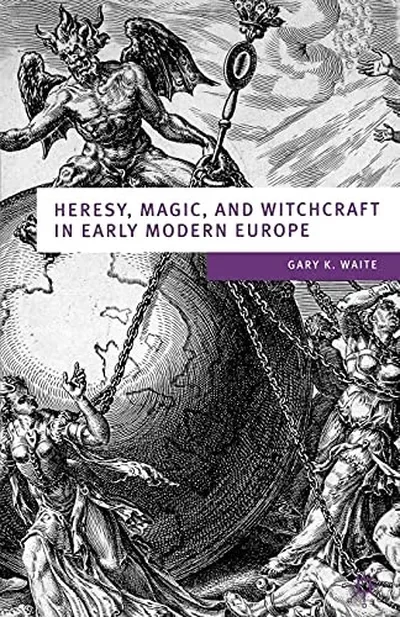
🏛 Books from this publisher Bloomsbury Publishing PLC
All books from this publisher →
You might also like
See more →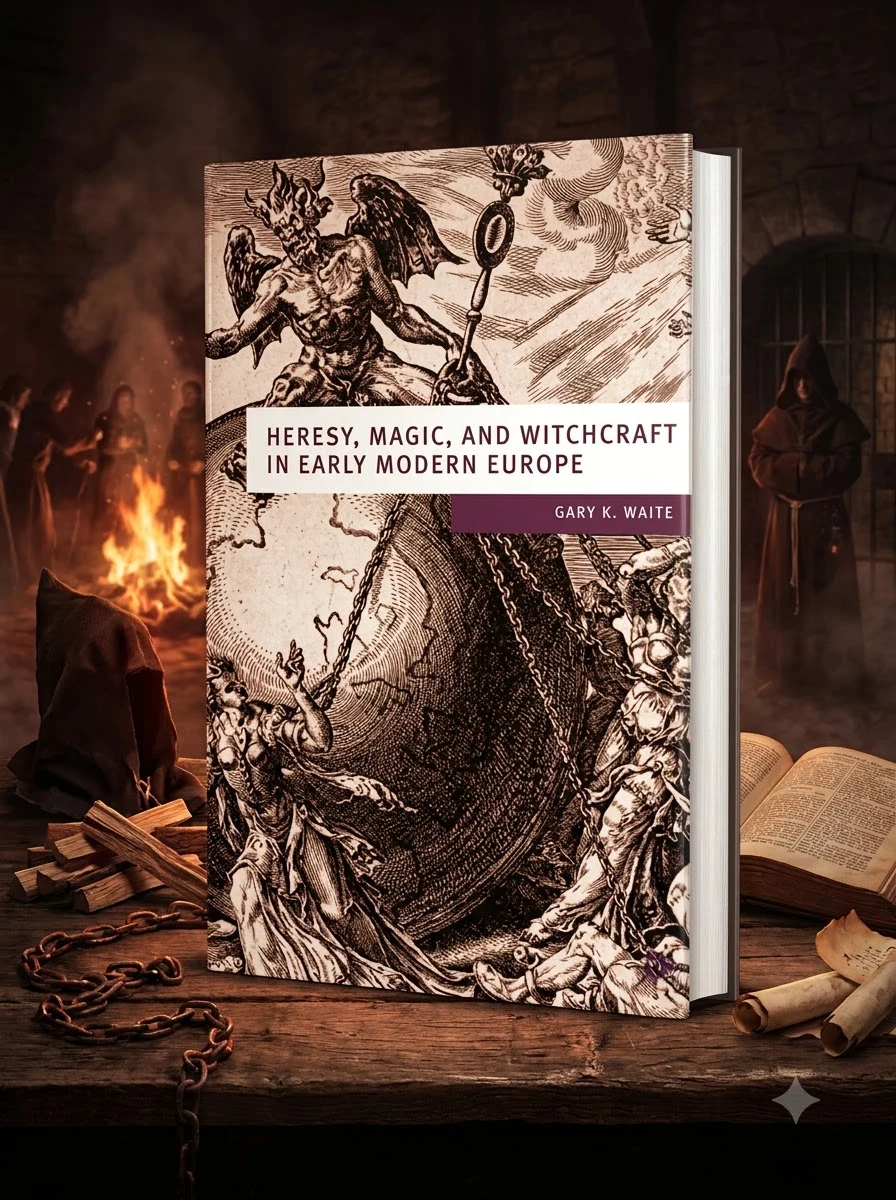
 91
91