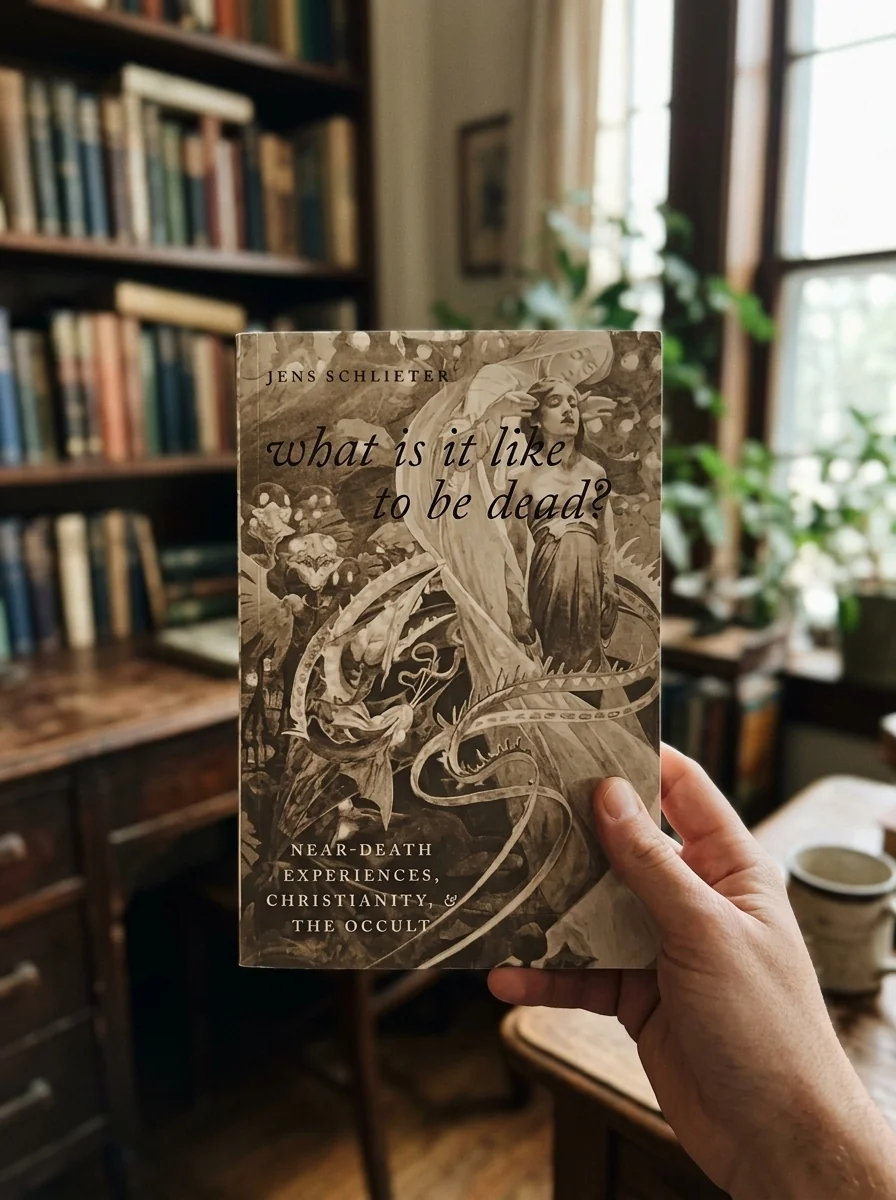
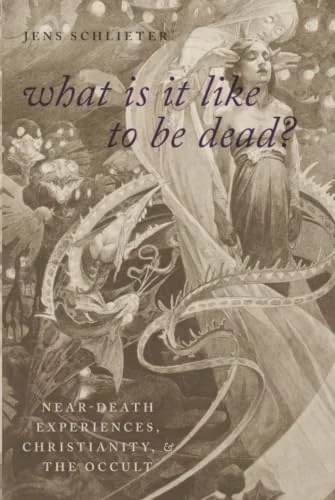
What Is It Like to Be Dead?: Near-Death Experiences, Christianity, and the Occult Schlieter, Jens
Jens Schlieter challenges us to look beyond contemporary fascination with near-death experiences (NDEs), revealing their deep roots in historical accounts spanning over a century and a half. This insightful volume argues that understanding today's testimonies requires familiarity with countless earlier reports, often published in popular media of their time. The book meticulously classifies and interprets these narratives, exploring how NDEs have consistently prompted individuals to re-evaluate their lives, diminish their fear of mortality, and embrace a more spiritual path. It also dissects the profound religious and philosophical implications these experiences hold for both those who encounter them and their captivated audiences.


Praise for this book
“the book is of interest to everyone dealing with the intellectual history of modern Europe, particularly the great importance of various strands of religious and philosophical traditions that shape our current understanding of life and death. In addition, the book is also very interesting in terms of the theoretical approach that is meticulously developed regarding the specific topic and the many questions that arise in this context.”
“Finally a study of near-death reports that breaks with the predictable clichés of the popular genre. Schlieter shows that even intimate personal experiences cannot be understood unless they are placed in a solid historical framework. Many readers may be surprised to discover how strongly esoteric and occultist traditions have come to determine common ideas--perhaps even their own ideas--about what it's like to be dead.”
“What Is It Like To Be Dead?: Near-Death Experiences, Christianity and the Occult is a complex and deeply researched book that will repay being read many times. It is a powerful piece of research about how social and historical changes of circumstances influence and in fact often constitute the experiences humans record themselves having. It is a major contribution to Religious Studies, and I recommend it unreservedly.”
📝 Description: What Is It Like to Be Dead?: Near-Death Experiences, Christianity, and the Occult Schlieter, Jens
📑 What's inside
- PrefaceAcknowledgements
- IntroductionOutline of the Argument and Remarks on Method
- Chapter I: Near-death experiences as Religious Discourse
- Chapter II: The Different Strands of Death: Western Discourse on Experiences Near Death (1580-1975)
- Chapter III: "Near-death experiences" as Religious Protest against Materialism and Modern Medicine in the 1960s and 1970s
- Chapter IV: Wish Fulfilling Expectations, Experiences, Retroactive Imputations - In Search of Hermeneutics for Near-death Experiences"
- Bibliography
💎 Expert review
📖 Why choose it
Why this book is worth reading
Readers intrigued by the intersection of theology, psychology, and the occult will find this volume indispensable. It offers a refreshing perspective for those weary of fleeting pop-culture trends, providing instead a rigorous historical context that validates personal spiritual journeys through shared human experience. If you seek to understand how past generations interpreted their own brushes with death, or if you wish to see how these narratives have consistently reshaped religious thought over the last century and a half, this book provides a compelling, evidence-based map of that enduring fascination.
⭐ Reader reviews
Reader rating
Schlieter delivers a scholarly yet accessible analysis that demands patience from readers seeking quick answers. The text is dense with historical classification, which may frustrate those looking for immediate mystical validation or simple survival stories. It is not suited for casual readers who prefer anecdotal evidence over systematic interpretation of media reports. However, for academics and serious occultists interested in the evolution of death-related philosophy, it stands as a robust contribution that successfully links modern testimonies to their deep-rooted historical predecessors.
❓ Frequently asked questions
📖 Who should read this
If you're drawn to the mysteries of consciousness, the afterlife, or the historical evolution of spiritual thought, this book is for you. It offers a scholarly yet accessible journey for anyone seeking a deeper understanding of near-death experiences beyond anecdotal reports.
🎯 Key themes and symbolism
Historical NDE Narratives
This work meticulously traces the lineage of near-death accounts, demonstrating that these profound experiences are far from a modern phenomenon. Schlieter reveals how reports of journeys to the brink of death have been documented, shared, and interpreted across diverse cultures and eras, providing a vital context for understanding contemporary NDEs.
Transformative Life Changes
The book delves into the profound, often irreversible, impact NDEs have on experiencers. It highlights how these encounters frequently ignite a fundamental shift in perception, leading to a diminished fear of mortality, a clarified sense of purpose, and a deepened spiritual awareness that reshapes one's entire life orientation and belief system.
Religious and Occult Connections
Schlieter explores the intricate relationship between NDEs and various spiritual traditions, including Christianity and broader occult thought. He examines how these experiences are often interpreted as evidence of post-mortem survival or transcendent realities, influencing personal faith journeys and contributing to larger discussions about consciousness beyond the physical.
📜 Historical context
📚 Glossary
- Near-Death Experience (NDE)
- Post-mortem Survival
- Ineffable
📔 Questions to reflect on
- How might a personal encounter with the edge of death fundamentally alter your current life's priorities and fears?
- Considering historical accounts, what common threads or significant divergences do you perceive in how different cultures or eras interpreted NDEs?
- If NDEs offer a glimpse beyond the veil, how does that perspective challenge or reinforce your existing spiritual or philosophical beliefs about existence?