
Trademarks of the 1950s Skinner, Tina
Skinner, TinaThis edition can be ordered. No arrival date is confirmed.
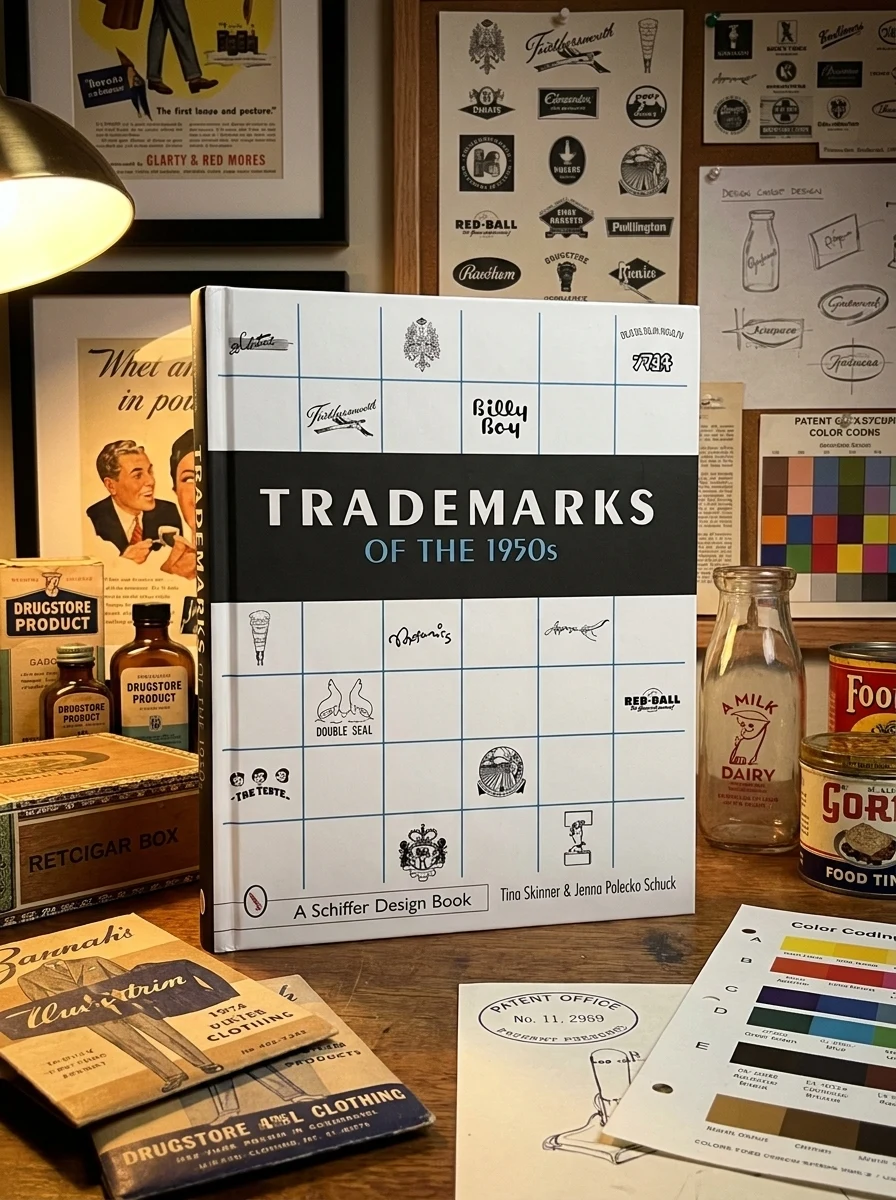
Over two thousand mid-century marks reveal the bold, graphic soul of 1950s commercial design.
This volume catalogs more than two thousand registered trademarks, logos, and typefaces from the 1950s, offering a visual archive of the era's creative psyche. Organized numerically by U.S. Patent and Trademark Office registration, the collection spans clothing, pharmaceuticals, spirits, cigars, and dairy products. Each entry utilizes the USPTO's unique coding system to indicate color and shading, providing precise visual data. It serves as a rich resource for designers seeking inspiration, blending historical accuracy with an eclectic array of commercial art that defined a generation's aesthetic identity.
This volume serves as a visual archive of mid-century commercial design, capturing the bold and graphic soul of 1950s aesthetic identity through registered trademarks. It bridges the gap between legal documentation and artistic expression, reflecting the creative psyche of that specific era.


📝 Description: Trademarks of the 1950s Skinner, Tina
💎 Expert review
📖 Why choose it
Why this book is worth reading
Designers and historians seeking authentic inspiration will find immense value in this eclectic array of commercial art that defined a generation. By presenting over two thousand registered trademarks organized by USPTO coding, the book offers precise visual data on color and shading for clothing, pharmaceuticals, and spirits alike. It is an essential resource for those wishing to understand the historical accuracy and creative energy of mid-century branding. The collection allows readers to explore the bold graphic styles that shaped public perception during a transformative decade in American commercial history.
⭐ Reader reviews
Reader rating
First purchase from this shop. The material is presented clearly and the structure makes it easy to revisit key passages. Some chapters demand a slow, careful read, and that's exactly the point.
Bought this as a gift for my sister and ended up ordering a second copy for myself. It connects ideas I'd only seen treated separately elsewhere. A few pages arrived with light corner wear, though nothing serious.
As someone who reads a lot in this field, I can be picky. The historical context alone makes it worth the price. Some chapters demand a slow, careful read, and that's exactly the point. A keeper.
Finally got around to ordering this. The typesetting is comfortable for study, with good margins for notes. It assumes more background than a beginner might have.
Was skeptical at first. I appreciated how the argument builds steadily from first principles. A few pages arrived with light corner wear, though nothing serious. Solid, if not essential.
This catalog is a treasure trove for specialists in graphic history and trademark research, offering a unique glimpse into the legal yet artistic landscape of 1950s commerce. However, it does not suit casual readers seeking narrative depth or theoretical analysis. Those expecting textual commentary on the socio-political implications of these logos may find the numerical organization dry and purely archival. It is strictly a visual reference tool for professionals who need to understand the precise aesthetic codes of the era, rather than a general history book about post-war design movements.
❓ Frequently asked questions
📖 Who should read this
Graphic designers, typographers, and marketing historians seeking authentic mid-century inspiration. Also ideal for collectors of vintage advertising ephemera who appreciate the intersection of legal documentation and artistic expression in commercial branding.
🎯 Key themes and symbolism
Mid-Century Commercial Aesthetics
The book explores how post-war optimism influenced graphic design, showcasing the bold lines, vibrant colors, and simplified forms that defined 1950s branding across diverse consumer sectors like food and fashion.
Archival Registration Systems
By organizing entries via USPTO registration numbers and their specific coding for shading and hue, the text emphasizes the bureaucratic and legal frameworks that governed visual identity and trademark protection during this period.
Product Culture Iconography
It highlights the visual language of everyday life, examining how logos for drugs, alcohol, and dairy products created recognizable symbols of trust and modernity, reflecting the consumer habits of the American middle class.
💬 Quotes from the book
“An eclectic collection of marks arranged by registration number.”
“Indicating color and shading through unique coding.”
📜 Historical context
📚 Glossary
- USPTO Coding
- Trademark Registration
- Commercial Iconography
📔 Questions to reflect on
- How did the visual simplicity of 1950s logos reflect the cultural desire for clarity in a complex post-war world?
- In what ways does the legal framework of trademark registration influence the artistic choices of a designer?
- Which mid-century brand symbol best captures the spirit of optimism and consumerism from that decade?
✍️ More books by this author Skinner, Tina
All books by this author →

🏛 Books from this publisher Schiffer Publishing
All books from this publisher →
 89
89




You might also like
See more →

 91
91

 91
91
 91
91
 91
91