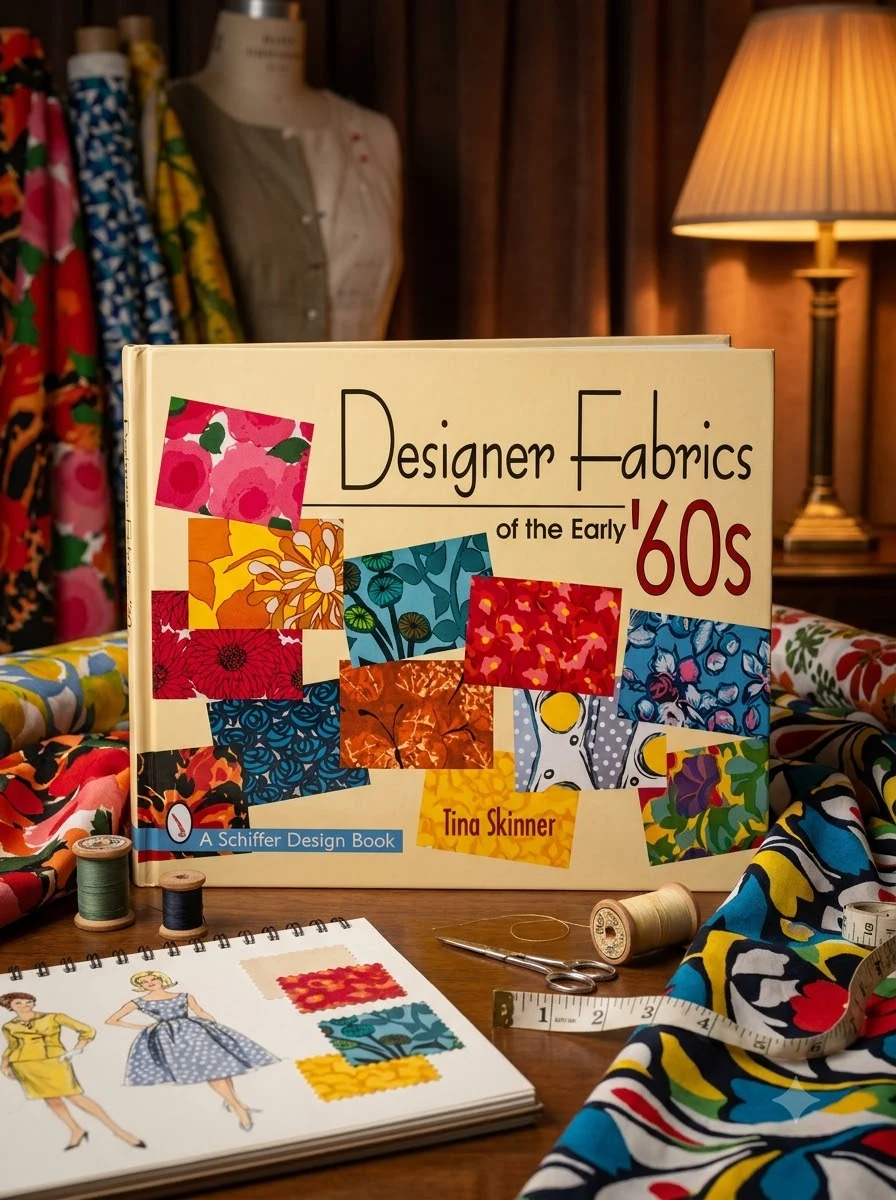
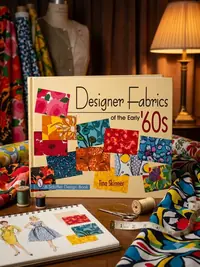
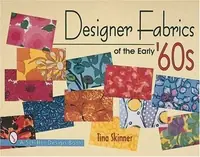
Designer Fabrics of the Early 60s Skinner, Tina
Skinner, TinaThis edition can be ordered. No arrival date is confirmed.
A vibrant archive of Parisian couture textiles from the swinging sixties, capturing fashion's bold shift.
Tina Skinner transports readers into the heart of Paris’s elite textile studios during the early 1960s, a period when fabric design underwent a radical aesthetic revolution. This volume presents over two hundred and fifty full-color reproductions of original swatches, showcasing everything from playful geometric patterns to avant-garde florals. Each entry provides meticulous details, including publication dates and material compositions, offering a rare glimpse into the creative processes of top couture houses. Additionally, the book includes a dedicated section on upholstery and domestic textiles, making it an essential reference for understanding the era's visual language.
This volume serves as a vital documentation of the radical aesthetic revolution in Parisian couture textiles during the early 1960s, capturing the bold shift in fashion's visual language. It stands as a testament to the creative processes of elite textile studios and top couture houses of that swinging decade.


📝 Description: Designer Fabrics of the Early 60s Skinner, Tina
💎 Expert review
📖 Why choose it
Why this book is worth reading
This book is an indispensable resource for fashion historians, textile designers, and interior decorators seeking to understand the visual language of the early 1960s. Readers will gain direct access to over two hundred and fifty full-color reproductions of original swatches, offering a rare glimpse into the creative processes behind playful geometric patterns and avant-garde florals. The inclusion of meticulous details, such as publication dates and material compositions, provides practical value for restoration projects. Furthermore, the dedicated section on upholstery and domestic textiles makes this essential for those interested in period-accurate home decor. It bridges the gap between high fashion and everyday design, preserving the vibrant archive of Parisian couture for future generations.
⭐ Reader reviews
Reader rating
I've read excerpts online before, but having the full text is different. Some chapters demand a slow, careful read, and that's exactly the point. The print is clean and easy on the eyes for long sessions. Would buy from this store again.
This edition finally does the material justice. Some chapters demand a slow, careful read, and that's exactly the point. It rewards patience more than any book I've bought this year.
Added this to my reference shelf. A text you study rather than simply read.
Long-time student of the esoteric here. Solid binding, decent paper — holds up to heavy use. Will be gifting a copy to a friend.
While visually stunning, this volume is strictly a reference work rather than a narrative history. It does not suit readers seeking biographical anecdotes about designers or sociological analysis of the era's cultural movements. The text focuses entirely on material composition and visual reproduction, meaning those expecting deep theoretical critique may find it lacking. However, for collectors and professionals requiring high-fidelity archival data on early 60s fabrics, this is an excellent, candidly presented catalog. It succeeds in its specific aim of documenting the aesthetic revolution through tangible artifacts.
❓ Frequently asked questions
📖 Who should read this
Fashion historians, textile students, and vintage collectors seeking primary visual references for 1960s Parisian design. It suits those who appreciate the intersection of artistic experimentation and industrial manufacturing in mid-century couture.
🎯 Key themes and symbolism
Couture Fabric Innovation
The text documents how Parisian houses abandoned traditional restraint for experimental textures and colors. It highlights the shift toward synthetic blends and bold prints that defined the decade's high fashion, emphasizing material diversity and structural novelty.
Visual Pattern Evolution
Skinner curates a progression from classic florals to abstract geometrics, illustrating the decade's growing appetite for the unconventional. The images reveal how designers manipulated scale and repetition to create dynamic, modern surfaces that reflected cultural shifts.
Domestic Textile Applications
Beyond apparel, the work examines how these avant-garde designs infiltrated home decor. It showcases upholstery and household fabrics that mirrored couture trends, proving that high fashion's influence extended deeply into everyday living spaces during this transformative era.
💬 Quotes from the book
“A visual feast exploring playful geometrics to abstract experimentation.”
“Indispensable aid for designers and students.”
📜 Historical context
📚 Glossary
- Couture Houses
- Swatches
- Novelty Prints
📔 Questions to reflect on
- How did the introduction of synthetic fibers in the 1960s expand the creative possibilities for Parisian designers?
- In what ways do the geometric patterns of the early sixties reflect the broader cultural shifts toward modernism?
- How can understanding historical textile trends inform contemporary sustainable fashion practices?
✍️ More books by this author Skinner, Tina
All books by this author →

🏛 Books from this publisher Schiffer Craft
All books from this publisher →


 83
83
You might also like
See more →
 75
75
 90
90