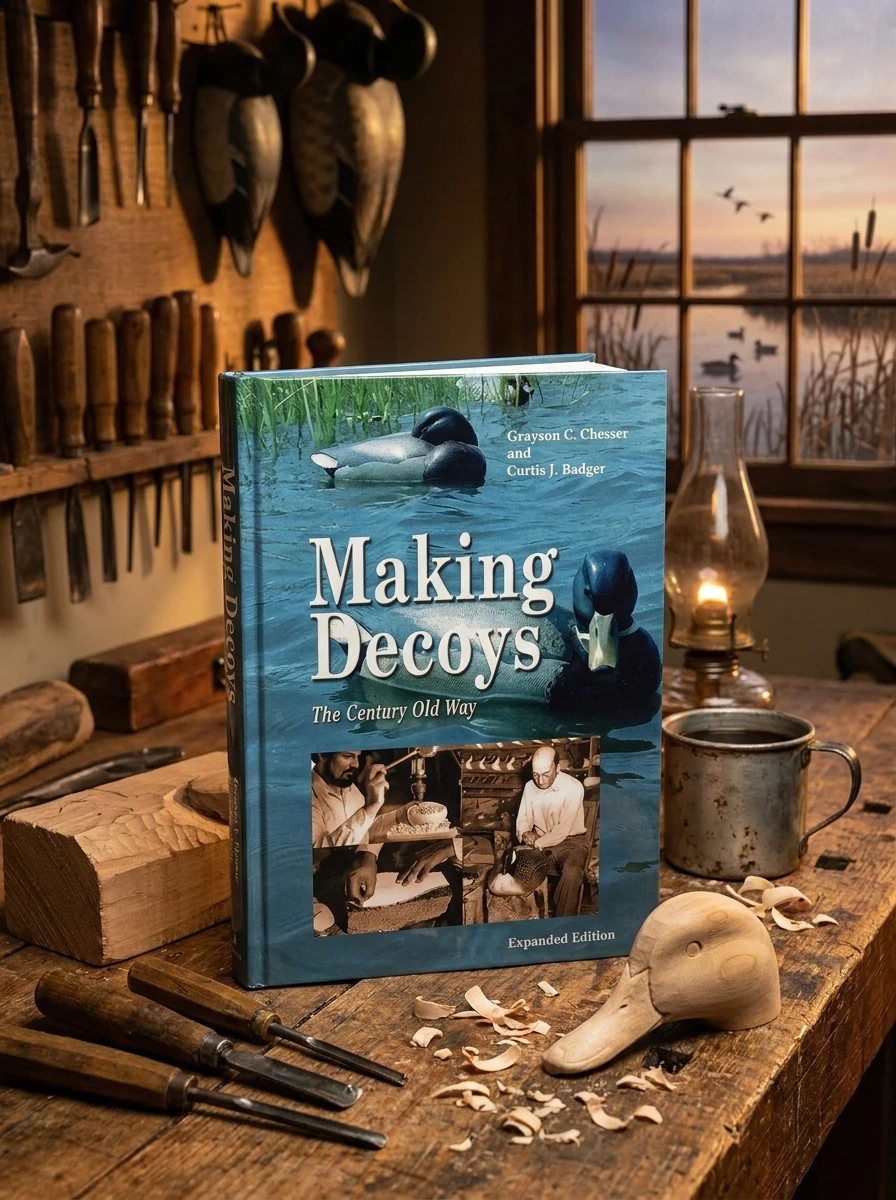
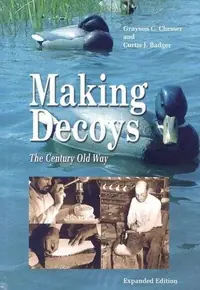
Making Decoys: The Century-Old Way (Expanded)
This edition can be ordered. No arrival date is confirmed.
Unearth the lost art of crafting hunting decoys, a timeless tradition born from necessity.
This expanded edition delves into the venerable craft of decoy carving, offering a glimpse into a bygone era when these artful creations were essential for survival. Author Grayson Chesser meticulously explores the techniques and philosophies of master carvers like Nathan Cobb and Elmer Crowell, who shaped wooden waterfowl not as collectibles, but as vital tools for sustenance. Readers will discover the profound connection between the artisan, the hunter, and the natural world, understanding how these exquisite forms were once instrumental in providing food for families, reflecting a deep respect for both craft and nature.
The book situates itself within the historical tradition of American waterfowl decoy carving, emphasizing its origins in necessity and survival rather than modern collecting trends. It highlights the legacy of master carvers who viewed their work as vital tools for sustenance.


📝 Description: Making Decoys: The Century-Old Way (Expanded)
💎 Expert review
📖 Why choose it
Why this book is worth reading
Readers with a deep appreciation for heritage crafts and the intersection of art and survival will find this expanded edition profoundly rewarding. It offers more than just technical instructions; it provides a philosophical journey into the lives of master carvers like Nathan Cobb and Elmer Crowell. Those who value the historical context of hunting tools as essential elements of family sustenance will gain a new respect for the artisan’s role in the natural world. This book is ideal for those seeking to understand the profound connection between the hunter, the craft, and the environment, revealing how these exquisite wooden forms were once indispensable for providing food rather than merely serving as decorative collectibles.
⭐ Reader reviews
Reader rating
Bought this as a gift for my sister and ended up ordering a second copy for myself. It's become a regular reference in my practice. Some archaic spellings slow things down. Still worth having on the shelf.
Been hunting for a decent copy of this text for ages. It pairs well with more modern commentaries on the same tradition. Highly recommend to serious students.
As someone who reads a lot in this field, I can be picky. The ideas are old but land with surprising force today. A text you study rather than simply read. The font runs small in the appendices. Recommended with reservations.
Arrived faster than expected and well packaged. The print is clean and easy on the eyes for long sessions. Every rereading turns up something I missed. My only regret is not ordering it sooner.
This text serves as a respectful homage to the functional artistry of early 20th-century decoy makers. While Chesser’s exploration of techniques and philosophies is thorough, it may not suit readers looking for contemporary hunting strategies or purely aesthetic gallery-focused collecting guides. It is less about modern valuation and more about historical necessity. The focus on survival and family sustenance might feel dry to those interested only in the visual appeal of finished pieces. However, for those willing to engage with the deeper narrative of craftsmanship as a means of life preservation, it offers a unique and candid look at a bygone era where art directly supported physical existence.
❓ Frequently asked questions
📖 Who should read this
If you're drawn to traditional crafts, the history of American subsistence, or the intersection of art and utility, this volume will resonate deeply. Aspiring woodcarvers, collectors of folk art, and anyone fascinated by the ingenuity of past generations will find this an enriching and insightful read.
🎯 Key themes and symbolism
Artisan Craftsmanship
This volume details the intricate skills and historical methods employed by legendary carvers. It emphasizes their dedication to creating functional yet beautiful objects that faithfully mimicked waterfowl, revealing the profound artistry embedded in a utilitarian pursuit. The book celebrates the mastery of hand and eye.
Historical Necessity
The book transports readers to a time when decoys were not merely decorative but crucial instruments for hunting. It underscores the practical origins of this craft, highlighting the era when abundant game birds were a primary food source, making effective decoys indispensable for providing sustenance for families.
Connection to Nature
Through the act of carving and hunting, the book illustrates a deep, respectful relationship between humans and their environment. It explores how carvers studied avian forms intimately, replicating their essence to interact directly with the natural world, fostering a bond with wildlife and the landscape.
💬 Quotes from the book
“The true measure of a decoy lies not just in its form, but in its ability to conjure life from wood, to lure the wary eye of a wild duck with an illusion of peace.”
“In an age where sustenance was paramount, the precise curve of a canvasback's back or the subtle tilt of a mallard's head were not mere aesthetic choices, but vital components of the hunt.”
📜 Historical context
📚 Glossary
- Decoy
- Waterfowling
- Folk Art
📔 Questions to reflect on
- How does understanding the historical necessity of crafts like decoy carving change your perception of 'art' today?
- Consider a modern tool or object you use daily. If its purpose suddenly became essential for survival, how might its design or your appreciation for it change?
- What lessons can contemporary artisans or hobbyists draw from the dedication, resourcefulness, and deep connection to nature exemplified by century-old master carvers?
🏛 Books from this publisher Schiffer Craft
All books from this publisher →



 83
83

You might also like
See more →

 90
90


 89
89