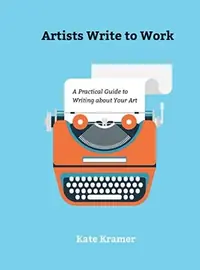
Artists Write to Work: A Practical Guide to Writing about Your Art
This edition can be ordered. No arrival date is confirmed.
Master the written word to amplify your visual art and secure your creative career.
This indispensable manual bridges the gap between studio practice and professional communication. It teaches emerging and established artists how to craft compelling artist statements, bios, and grant proposals. Through practical templates, critical writing strategies, and real-world examples, the guide demystifies the administrative demands of the art world. It transforms writing from a chore into a vital tool for career advancement, ensuring your work receives the serious consideration it deserves.
This guide situates itself within the contemporary discourse of professional art practice, addressing the modern necessity for artists to navigate the administrative and promotional demands of the creative industry. It reflects a period where self-branding and articulate communication are as vital as technical skill in securing a sustainable career.


📝 Description: Artists Write to Work: A Practical Guide to Writing about Your Art
💎 Expert review
📖 Why choose it
Why this book is worth reading
This book is an essential resource for emerging and established artists who feel hindered by the administrative side of their profession. If you struggle to articulate the value of your visual work or find grant proposals daunting, Kate Kramer provides a clear, practical path forward. It transforms writing from a dreaded chore into a strategic asset, helping you craft compelling bios and statements that secure serious consideration for your art. By offering templates and real-world examples, it empowers you to amplify your creative voice, ensuring your career advances through effective professional communication rather than just studio output.
⭐ Reader reviews
Reader rating
Added this to my reference shelf. Solid binding, decent paper — holds up to heavy use. The font runs small in the appendices.
I've read excerpts online before, but having the full text is different. The symbolism is layered and generous to patient readers. It assumes more background than a beginner might have. Recommended with reservations.
This exceeded my expectations. Not a light read, but far more accessible than I feared. It's become a regular reference in my practice. A few pages arrived with light corner wear, though nothing serious. Recommended with reservations.
Kramer’s manual is a pragmatic bridge between the studio and the professional world, offering tangible tools like templates that demystify the often opaque demands of the art market. It successfully reframes writing as a critical component of artistic success rather than an ancillary task. However, this guide does not suit artists seeking pure creative theory or those who prefer to remain entirely detached from self-promotion and industry mechanics. It is strictly for those willing to engage with the business aspects of their craft to ensure their work receives proper recognition and opportunity.
❓ Frequently asked questions
📖 Who should read this
Ideal for MFA students, recent graduates, and practicing artists who struggle to articulate their work or navigate the business side of the art world with confidence.
🎯 Key themes and symbolism
Strategic Artistic Narrative
The text demonstrates how to construct a coherent voice that connects your studio practice to broader cultural contexts. It emphasizes clarity and precision, helping artists articulate their conceptual frameworks without jargon, ensuring their intellectual intent is understood by curators, gallerists, and peers alike.
Professional Documentation
It provides concrete templates for essential career documents like CVs, bios, and exhibition proposals. The guide breaks down industry standards, showing how to format information effectively while maintaining authenticity, turning bureaucratic requirements into opportunities for professional presentation.
Curriculum Integration
Writing is treated as an extension of artistic research rather than a separate skill. By aligning writing tasks with foundational art studies, the book shows how to use text to deepen artistic inquiry, making the written word a natural part of the creative process.
💬 Quotes from the book
“Writing is not a distraction from the art; it is the mechanism by which the art enters the world.”
“Clarity is the highest form of respect for your audience.”
📜 Historical context
📚 Glossary
- Artist Statement
- Curatorial Strategy
- Grant Proposal
📔 Questions to reflect on
- What core question drives your studio practice, and how can you answer it in one clear sentence?
- Which aspect of your artistic process is most difficult to articulate, and why does it resist description?
- How does your writing style reflect or contradict the aesthetic of your visual work?
🏛 Books from this publisher Schiffer Craft
All books from this publisher →

 83
83
You might also like
See more →
 90
90