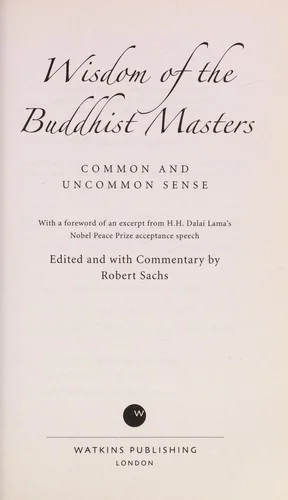
The Wisdom of the Buddhist Masters: Common and Uncommon Sense
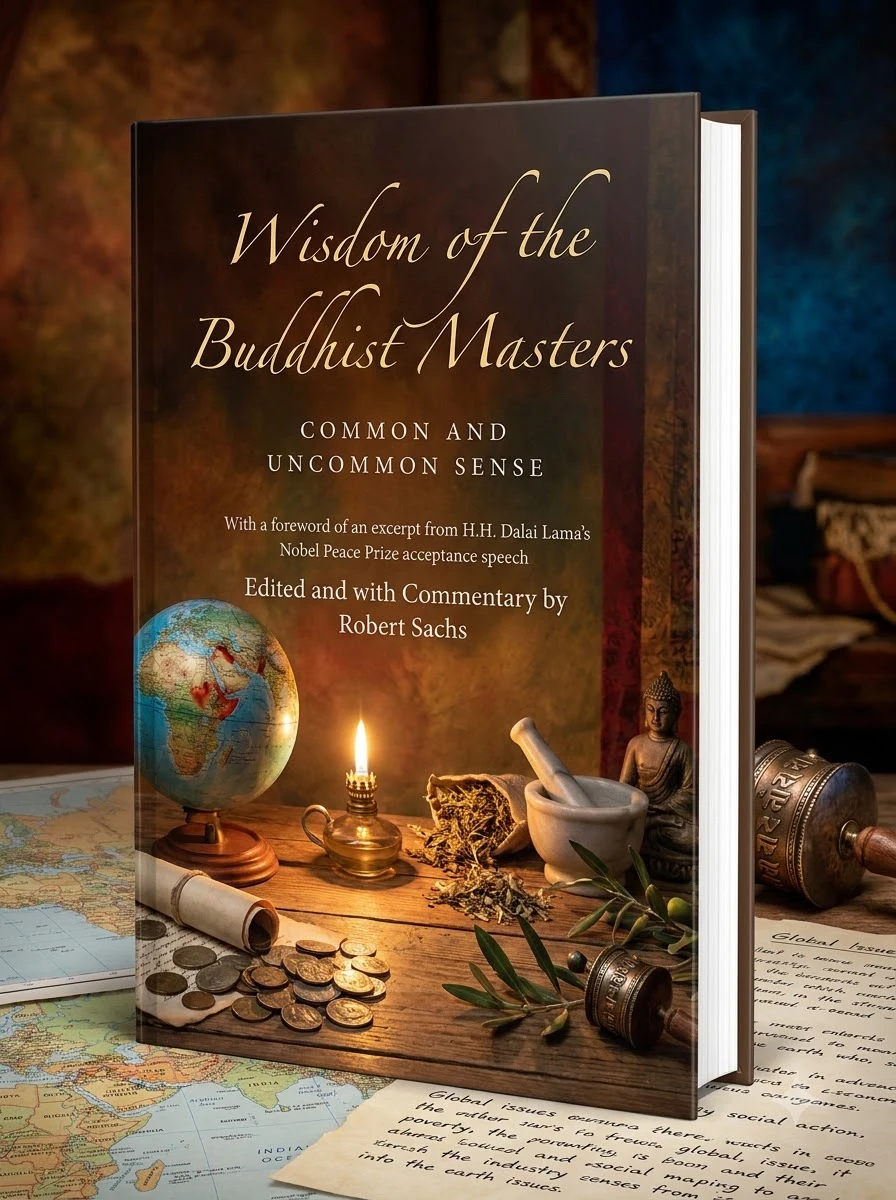
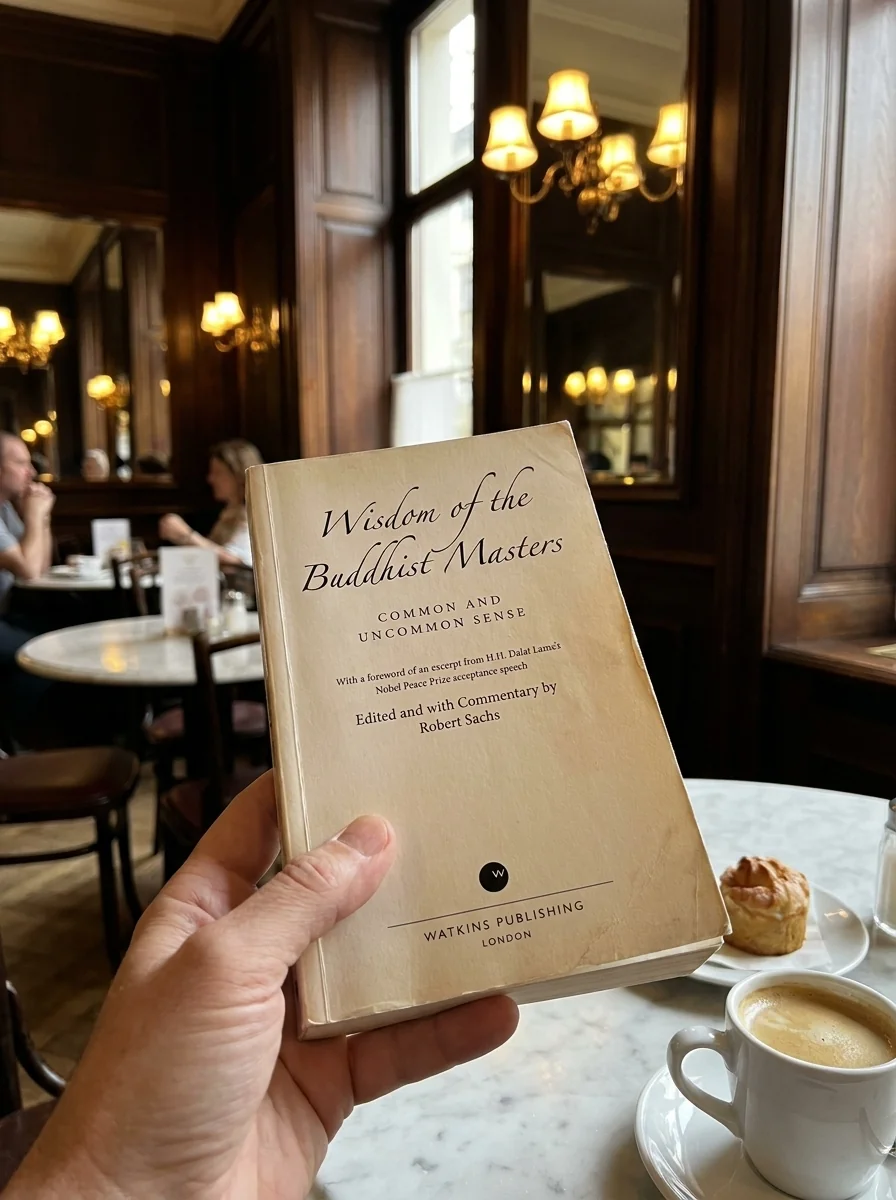
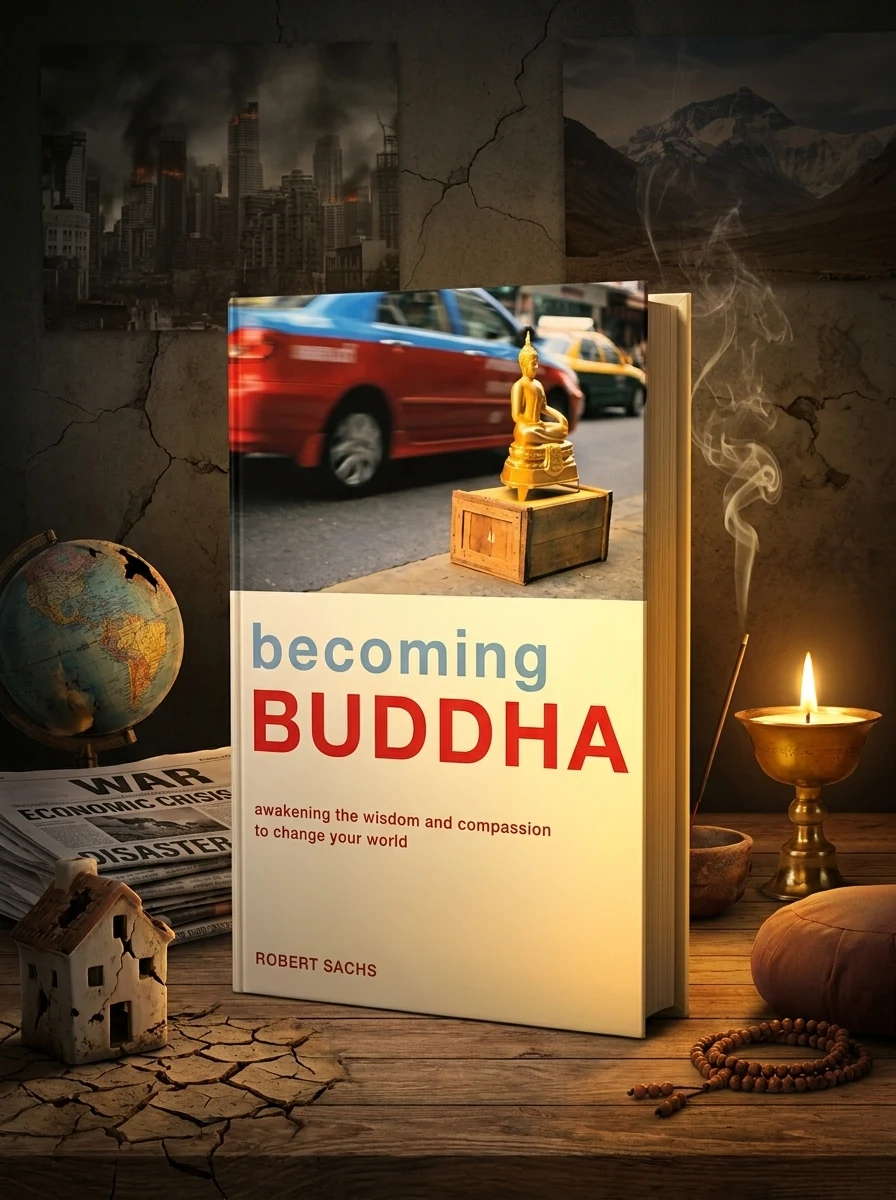
✍️ Sachs, Robert; , His Holiness the Dalai LamaRobert Sachs embarked on a unique quest, posing critical questions about pressing global challenges—from conflict to climate change—to an assembly of revered Buddhist masters. This groundbreaking collection reveals their candid, often unexpected, insights into how spiritual principles intersect with real-world problems like poverty, war, and social activism. Far from offering simple platitudes, these highly experienced teachers, deeply rooted in meditative practice and global awareness, share powerful wisdom. Their perspectives encourage readers to become agents of positive change, offering profound guidance that often transcends typical expectations of Buddhist thought.


📝 Description: The Wisdom of the Buddhist Masters: Common and Uncommon Sense
💎 Expert review
📖 Why choose it
Why this book is worth reading
Readers seeking actionable spiritual guidance for modern life will find immense value in this collection. It appeals to those who feel disconnected from dry academic texts or superficial self-help platitudes, offering instead a candid dialogue between deep meditative practice and real-world activism. Individuals concerned with global crises such as poverty, war, and environmental collapse will appreciate the unexpected insights provided by these masters. The book is ideal for anyone wishing to understand how spiritual wisdom can directly inform social change, encouraging them to become active agents of positive transformation rather than passive observers.
⭐ Reader reviews
Reader rating
This volume stands out for its refusal to offer simple answers to complex problems, making it a refreshing read for those tired of sanitized spiritual advice. However, it may not suit readers looking for traditional doctrinal instruction or quiet contemplation without social engagement. Those expecting purely metaphysical discourse might find the focus on global crises and activism jarring or too political. It is best appreciated by individuals who already possess a baseline interest in Buddhism and view spirituality as inherently linked to ethical action and societal responsibility, rather than escape from it.
❓ Frequently asked questions
📖 Who should read this
If you seek profound spiritual insights that directly engage with global challenges, this book is for you. Ideal for those looking beyond simplistic answers, it offers a refreshing, action-oriented perspective on how ancient wisdom can illuminate and transform our modern world.
🎯 Key themes and symbolism
Buddhism's Global Relevance
This work explores how ancient Buddhist wisdom directly addresses modern crises. Masters delve into issues like geopolitical conflict, environmental degradation, and societal suffering, demonstrating the enduring applicability of their teachings to the complex problems facing humanity today. They bridge the gap between spiritual insight and worldly concerns.
Unconventional Buddhist Wisdom
Prepare for insights that challenge preconceived notions of Buddhist thought. The masters here offer perspectives that are often refreshingly direct and occasionally 'politically incorrect,' moving beyond simplistic notions of pacifism or detached spirituality. Their wisdom is practical, nuanced, and unafraid to confront difficult truths.
Empowering Social Engagement
Far from advocating passive contemplation, these teachings inspire active participation in shaping a better world. The masters emphasize how individual spiritual growth can fuel effective social and political engagement, offering concrete ways readers can contribute to meaningful change and alleviate suffering on a global scale.
📜 Historical context
📚 Glossary
- Engaged Buddhism
- Platitudes
- Pacifism
📔 Questions to reflect on
- How might my understanding of spiritual action change if I prioritize confronting injustice over maintaining a comfortable peace?
- What 'politically incorrect' truths about current global issues might I be avoiding, and how could Buddhist wisdom help me address them?
- In what specific ways can my personal spiritual practice translate into tangible, impactful engagement with societal problems?





![Pregnancy Health Yoga: Your Essential Guide for Bump, Birth and Beyond [With DVD]](/img/pregnancy-health-yoga-your-essential-guide-for-bump-birth-and-beyond-with-dvd-scene.webp)