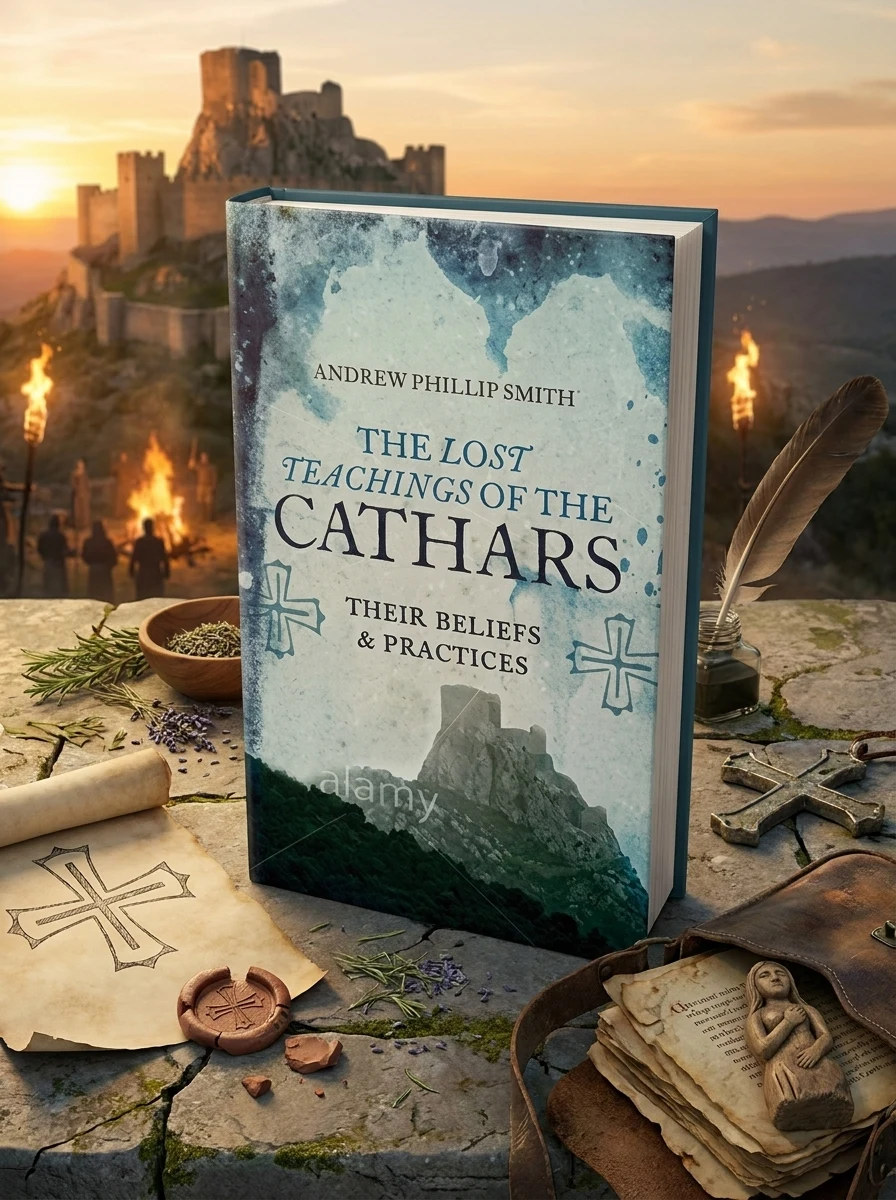
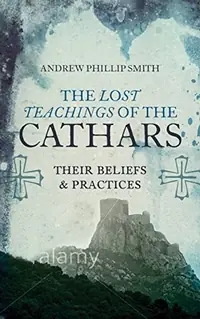
The Lost Teachings of the Cathars: Their Beliefs and Practices
Smith, Andrew PhillipThis edition can be ordered. No arrival date is confirmed.
Unearth the authentic spiritual path of the Cathars, beyond popular myths and historical shadows.
This compelling volume plunges into the heart of Catharism, a fascinating medieval Christian dualist movement. Moving beyond popular fiction's romanticized portrayals, it systematically explores their core beliefs, daily practices, and unique understanding of divinity. The author meticulously unpacks their historical trajectory from the 12th to the 14th centuries, examining their origins, the nature of their Gnostic connections, and the brutal suppression they faced. Furthermore, the book delves into their surprising resurgence in modern esoteric thought, tracing their enduring influence on contemporary spiritual seekers and philosophers.
This volume sits at the intersection of medieval religious history and modern esoteric revivalism, bridging the gap between historical analysis of dualist Christian movements and contemporary spiritual philosophy.


📝 Description: The Lost Teachings of the Cathars: Their Beliefs and Practices
💎 Expert review
📖 Why choose it
Why this book is worth reading
Readers seeking to move beyond romanticized myths will find immense value in this systematic exploration of Catharism's authentic spiritual path. It is ideal for those interested in the historical trajectory of dualist movements and their Gnostic connections. The book also appeals to modern esoteric thinkers who wish to understand the enduring influence of these beliefs on contemporary philosophy and spiritual seekers, offering a clear, unvarnished look at their practices and suppression.
⭐ Reader reviews
Reader rating
Smith provides a compelling plunge into Catharism's heart, meticulously unpacking origins and divine understanding without relying on popular fiction's shadows. However, readers expecting purely mystical or devotional content may find the historical and analytical focus too rigorous. It is not suited for those seeking simple religious comfort or uncritical adoration of medieval sects. Instead, it serves the intellectual seeker who values scholarly precision regarding Gnostic connections and modern spiritual resurgence over emotional narrative.
❓ Frequently asked questions
📖 Who should read this
If you're drawn to medieval mysteries, Gnostic traditions, or the untold stories of religious dissent, this book is for you. It offers a clear, nuanced perspective for anyone seeking to understand the true nature of Cathar beliefs, free from sensationalism.
🎯 Key themes and symbolism
Dualist Theology Unveiled
The book meticulously dissects the Cathars' distinctive dualistic worldview, which posited two co-eternal principles: a good spiritual God and an evil material god. It illuminates how this belief shaped their ascetic practices, ethical codes, and rejection of the earthly realm, offering a clear contrast to orthodox Christian doctrine of their time.
Persecution & Survival
Explore the grim reality of the Albigensian Crusade and the relentless pressure of the Inquisition that sought to eradicate Catharism. This section details the historical context of their suppression, examining the political and religious motivations behind the persecution, and critically assessing the claims of their possible survival against overwhelming odds.
Modern Esoteric Echoes
Beyond their medieval demise, discover the unexpected resurgence of Catharic ideas in the 20th century. The book investigates how figures like Otto Rahn and esoteric revivalists in Languedoc reinterpreted Cathar principles, inspiring intellectuals such as Simone Weil and cementing their place in the broader landscape of modern alternative spirituality and secret societies.
💬 Quotes from the book
“The Cathar universe was not merely a battleground for good and evil; it was a cosmic drama where the very essence of creation was contested by opposing divine wills.”
“Tracing the threads of Cathar influence into the twentieth century reveals not a resurrection, but a complex tapestry of reinterpretation by those seeking alternative spiritual narratives.”
📜 Historical context
📚 Glossary
- Dualism
- Perfecti
- Consolamentum
📔 Questions to reflect on
- How might a dualistic understanding of the world, like that of the Cathars, shape one's personal ethics and daily choices?
- Consider the historical persecution of the Cathars. What lessons can be drawn about the clash between established power and dissenting spiritual beliefs?
- If you were to encounter a 'lost teaching' in your own spiritual or philosophical journey, what criteria would you use to discern its authenticity and value?
✍️ More books by this author Smith, Andrew Phillip
All books by this author →
🏛 Books from this publisher Watkins Publishing
All books from this publisher →



![Pregnancy Health Yoga: Your Essential Guide for Bump, Birth and Beyond [With DVD]](/img/pregnancy-health-yoga-your-essential-guide-for-bump-birth-and-beyond-with-dvd.webp)
You might also like
See more →




 91
91