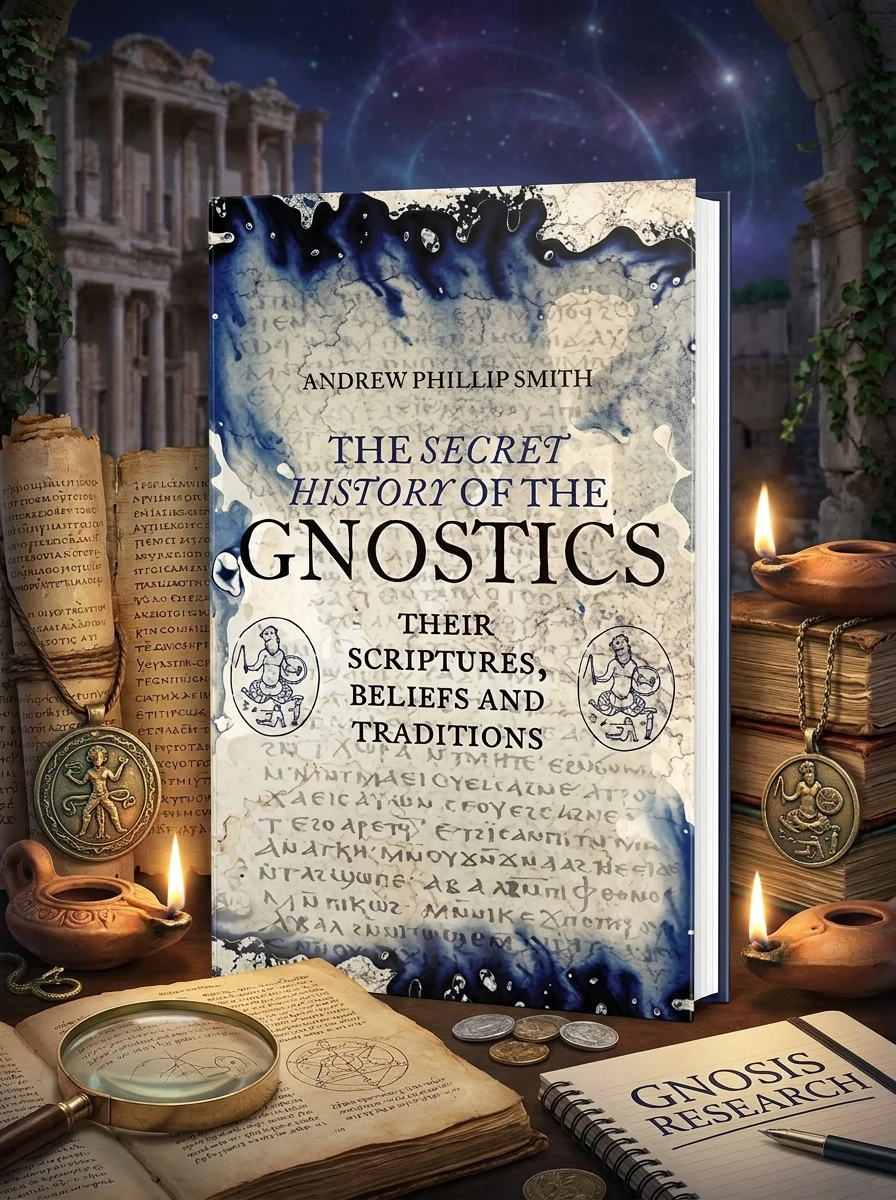
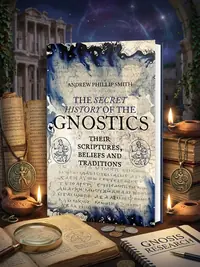
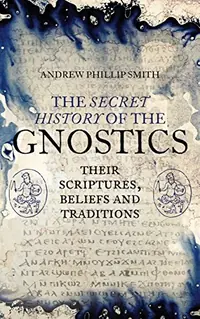
The Secret History of the Gnostics: Their Scriptures, Beliefs and Traditions
Smith, Andrew Phillip

This edition can be ordered. No arrival date is confirmed.
Uncover the hidden wisdom of Gnosis, a mystical path defying dogma for personal enlightenment.
Andrew Phillip Smith invites readers into the enigmatic world of Gnosticism, an ancient spiritual current emphasizing personal divine knowledge over institutional faith. This compelling study traces Gnosticism's origins and flourishing in the 2nd century, its subsequent suppression by orthodox Christianity, and its surprising endurance through groups like the Manichaeans and Cathars. Smith also explores its modern resurgence, revealing how Gnostic ideas continue to inspire contemporary thinkers and authors, offering a fresh perspective on this often-misunderstood tradition.
This work sits within the rich tapestry of Western esotericism and Gnostic studies, exploring an ancient spiritual current that emphasized personal divine knowledge over institutional faith. It bridges historical analysis with modern mystical practice, highlighting the endurance of these ideas through groups like the Manichaeans and Cathars.


📝 Description: The Secret History of the Gnostics: Their Scriptures, Beliefs and Traditions
💎 Expert review
📖 Why choose it
Why this book is worth reading
Readers seeking a deeper understanding of spiritual autonomy will find this book invaluable. It is perfect for those who feel constrained by dogmatic structures and crave a path focused on personal enlightenment rather than blind faith. Andrew Phillip Smith offers a compelling entry point into the enigmatic world of Gnosticism, tracing its origins and suppression while revealing its surprising modern relevance. If you are interested in how ancient wisdom influences contemporary thought, this text provides essential context. It appeals to seekers who value historical accuracy alongside mystical insight, helping them connect with a tradition that has quietly persisted through centuries. This book empowers readers to explore hidden wisdom without the baggage of orthodoxy, making it ideal for independent thinkers and spiritual explorers alike.
⭐ Reader reviews
Reader rating
Smith delivers a comprehensive overview of Gnostic traditions, effectively tracing their suppression and resurgence. The narrative is engaging for those interested in the historical interplay between mysticism and institutional religion. However, readers expecting rigorous academic citations or deep philosophical debate may find the work somewhat accessible to the point of superficiality. It is less suitable for scholars already familiar with the Nag Hammadi library who require specialized textual criticism. Instead, this book serves best as an inviting gateway for newcomers. While it lacks dense scholarly apparatus, its warmth and clarity make it a valuable resource for general audiences. The focus on modern relevance ensures the content feels alive, though those seeking purely antiquarian studies might find the contemporary connections distracting rather than illuminating.
❓ Frequently asked questions
📖 Who should read this
If you're drawn to alternative spiritual histories, question traditional religious narratives, or seek to understand the mystical undercurrents that shaped early Christianity and continue to inspire modern thought, this book offers profound insights. Prepare to re-examine the nature of faith and knowledge.
🎯 Key themes and symbolism
Gnosis Over Dogma
This book meticulously details the Gnostic emphasis on 'gnosis,' or direct, personal knowledge of the divine, as distinct from blind faith. It explores how this core tenet positioned Gnosticism as an alternative spiritual path to the burgeoning orthodox Christian church, highlighting its radical implications for individual spiritual authority.
Journey Through Time
Follows the fascinating trajectory of Gnosticism from its prominence in early Christian centuries, through its decline and isolated manifestations in medieval movements like the Cathars, and into its surprising presence among groups like modern Mandaeans. The narrative illuminates its adaptability and resilience across diverse cultures and eras.
Enduring Cultural Impact
Beyond historical religious movements, the text reveals Gnosticism's profound influence on contemporary culture. It illustrates how Gnostic themes, such as hidden knowledge and dualistic cosmology, resonate with and inspire modern literary figures, demonstrating the tradition's continued relevance in shaping artistic and philosophical discourse.
💬 Quotes from the book
“True spiritual liberation comes not from blind adherence to creed, but from the fiery spark of personal insight ignited within the soul.”
“The whispers of Gnostic wisdom, thought silenced by history, echo through the ages, finding new voices in unexpected corners of our modern world.”
📜 Historical context
📚 Glossary
- Gnosis
- Orthodoxy
- Mystical Movement
📔 Questions to reflect on
- How might a focus on personal "gnosis" alter one's approach to spiritual practice or religious community today?
- Consider the historical suppression of Gnosticism. What are the implications when an official doctrine actively seeks to extinguish alternative spiritual paths?
- Reflect on contemporary narratives, perhaps in literature or film, that seem to echo Gnostic themes of hidden knowledge or a flawed material world.
✍️ More books by this author Smith, Andrew Phillip
All books by this author →
🏛 Books from this publisher Watkins Publishing
All books from this publisher →




![Pregnancy Health Yoga: Your Essential Guide for Bump, Birth and Beyond [With DVD]](/img/pregnancy-health-yoga-your-essential-guide-for-bump-birth-and-beyond-with-dvd.webp)
You might also like
See more →