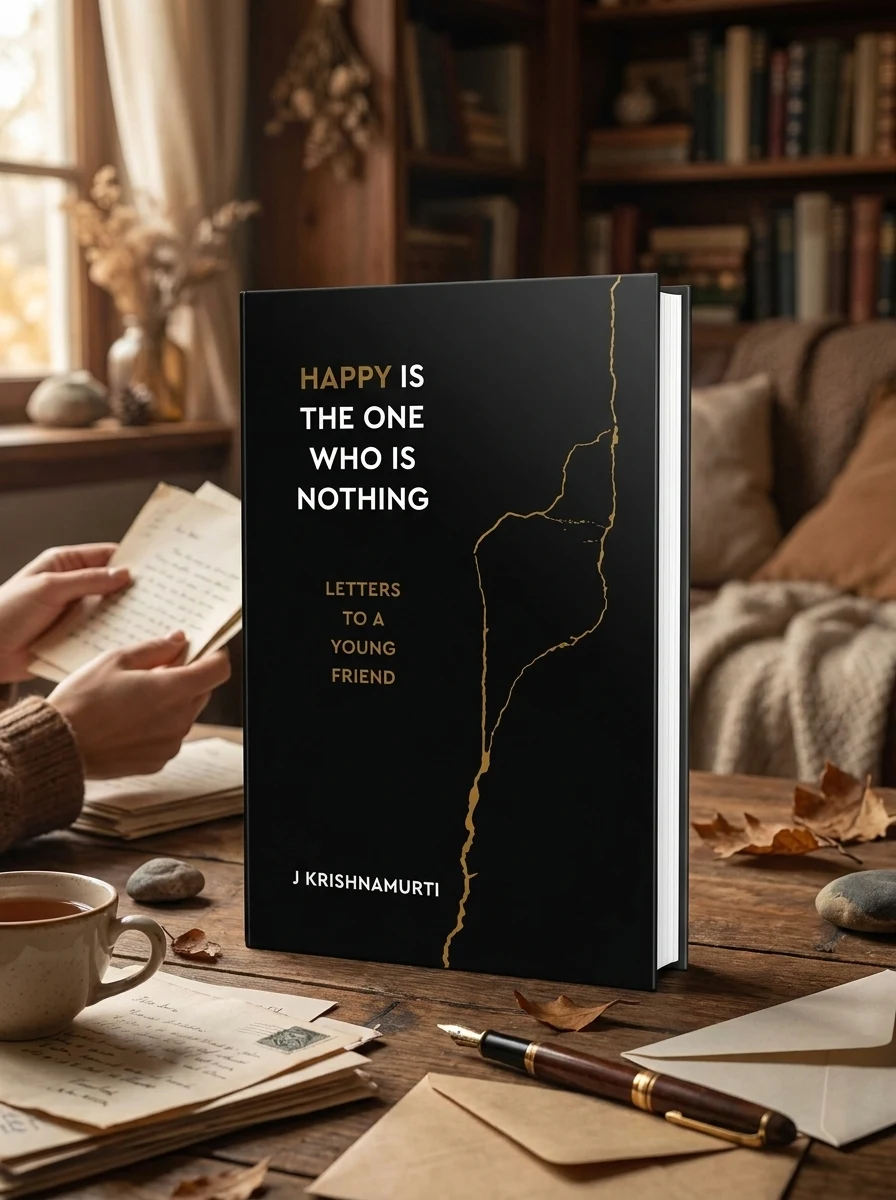
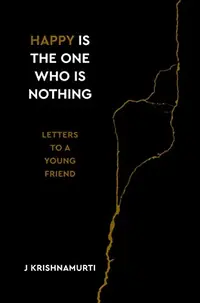
Happy Is the One Who Is Nothing: Letters to a Young Friend
Krishnamurti, JidduThis edition can be ordered. No arrival date is confirmed.
Navigate life's sharp edges with timeless wisdom from a spiritual titan.
This collection compiles Jiddu Krishnamurti's deeply personal correspondence with a troubled young individual over a pivotal twelve-year span. Offering solace and profound insights, these letters transcend mere advice, guiding the recipient through personal anguish towards a deeper understanding of existence. They reveal Krishnamurti's unique ability to communicate complex spiritual truths with remarkable directness and compassion, fostering a sense of interconnectedness. Readers will discover a rare dialogue where healing and philosophical inquiry merge, inviting a transformative shift in perspective and inner peace.
Jiddu Krishnamurti stands as a pivotal figure in modern spiritual thought, challenging traditional religious structures by emphasizing direct personal inquiry over dogma. This work emerges from the mid-20th century esoteric tradition that prioritizes individual psychological transformation and the dissolution of the ego through rigorous self-awareness.


📝 Description: Happy Is the One Who Is Nothing: Letters to a Young Friend
💎 Expert review
📖 Why choose it
Why this book is worth reading
This book offers profound solace to those navigating personal anguish, existential dread, or the sharp edges of daily life. Readers seeking a departure from conventional religious comfort will find value in Krishnamurti’s direct, compassionate dialogue that avoids empty platitudes. It is ideal for individuals ready to engage in deep philosophical inquiry, as the letters guide the recipient toward inner peace and a transformative shift in perspective. Those who appreciate healing through interconnectedness and the courage to face their own nothingness will discover timeless wisdom that fosters genuine self-understanding rather than mere intellectual assent.
⭐ Reader reviews
Reader rating
While Krishnamurti’s directness is refreshing, this collection may frustrate readers seeking structured advice or concrete solutions to immediate problems. It demands active participation in existential questioning rather than passive consumption of dogma. Those preferring organized religious frameworks or quick fixes will likely find the lack of definitive answers alienating. However, for those willing to sit with discomfort and explore the nuances of existence without the safety net of doctrine, the work provides a rare, honest dialogue. It is not for the faint-hearted but serves as a powerful catalyst for those ready to dismantle their own illusions and embrace a more authentic, albeit challenging, path toward spiritual clarity.
❓ Frequently asked questions
📖 Who should read this
If you're navigating personal turmoil, seeking profound spiritual guidance, or curious about non-dual philosophy, these intimate letters offer solace and a rare glimpse into a master's compassionate mind. Prepare for a journey of inner discovery.
🎯 Key themes and symbolism
Navigating Personal Crisis
The letters serve as a lifeline, offering a guiding hand to a young person grappling with significant emotional and physical pain. Krishnamurti's approach encourages self-observation and understanding as the path through suffering, rather than seeking external solutions or dogma.
The Path of Wisdom
Krishnamurti emphasizes a living, pliable wisdom distinct from accumulated knowledge. He illustrates how true insight emerges from careful attention to life's intricacies, encouraging a delicate balance and awareness in every step of one's journey, rather than rigid doctrines.
Freedom from Self
Embodied in the book's title, this theme explores the radical concept of liberating oneself from the confines of ego and identification. The correspondence gently nudges the reader toward an experiential realization of profound inner peace that transcends the constructed 'self'.
💬 Quotes from the book
“Life is a razor's edge and one has to walk on that path with exquisite care and with pliable wisdom.”
“Happy is the one who is nothing.”
📜 Historical context
📚 Glossary
- Pliable Wisdom
- Razor's Edge
- Non-duality
📔 Questions to reflect on
- How does the concept of 'walking on a razor's edge' resonate with your current life challenges, and what kind of 'pliable wisdom' might be needed to navigate them?
- Reflect on a time of personal crisis. How might approaching it with Krishnamurti's emphasis on self-observation rather than seeking external answers change your experience?
- What does the idea of 'being nothing' mean to you personally, and how might releasing identifications lead to greater inner peace or happiness?
✍️ More books by this author Krishnamurti, Jiddu
All books by this author →
🏛 Books from this publisher Watkins Publishing
All books from this publisher →


![Pregnancy Health Yoga: Your Essential Guide for Bump, Birth and Beyond [With DVD]](/img/pregnancy-health-yoga-your-essential-guide-for-bump-birth-and-beyond-with-dvd.webp)
You might also like
See more →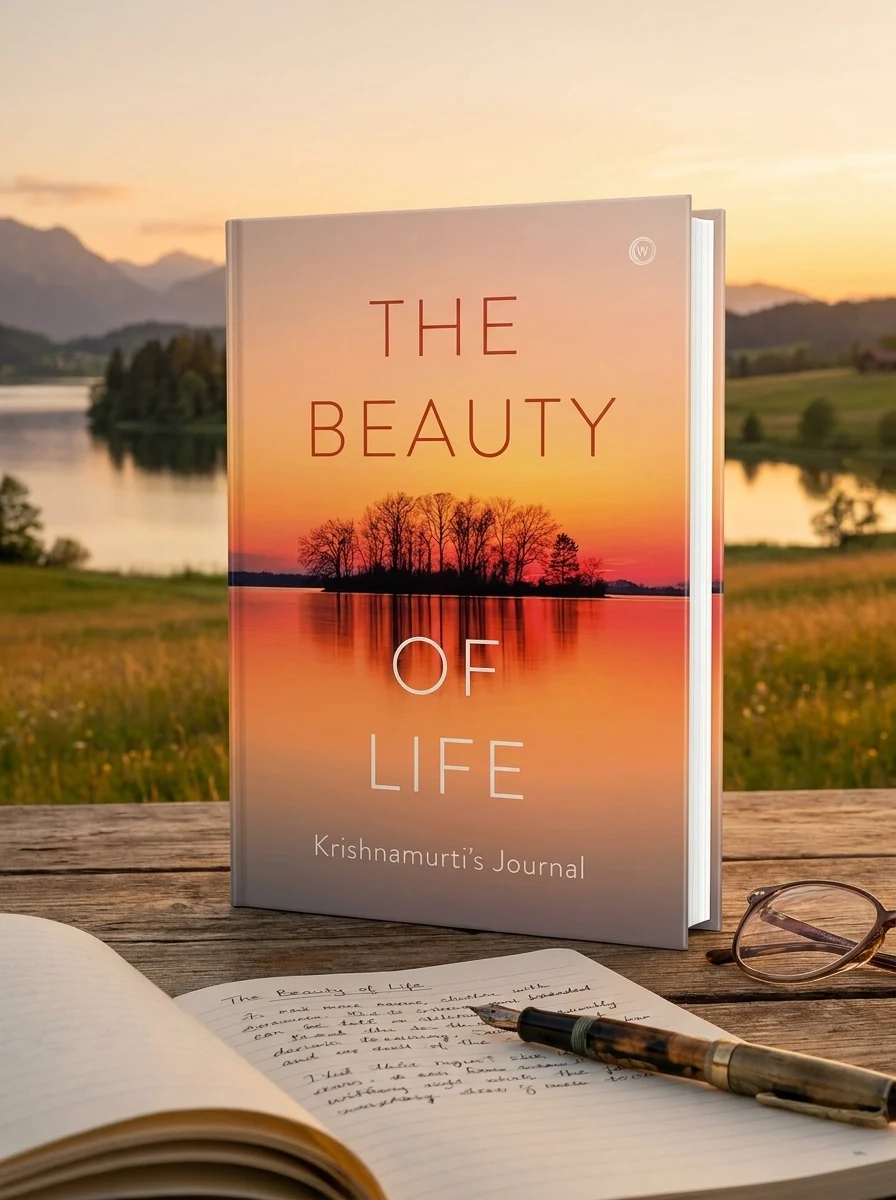


 91
91