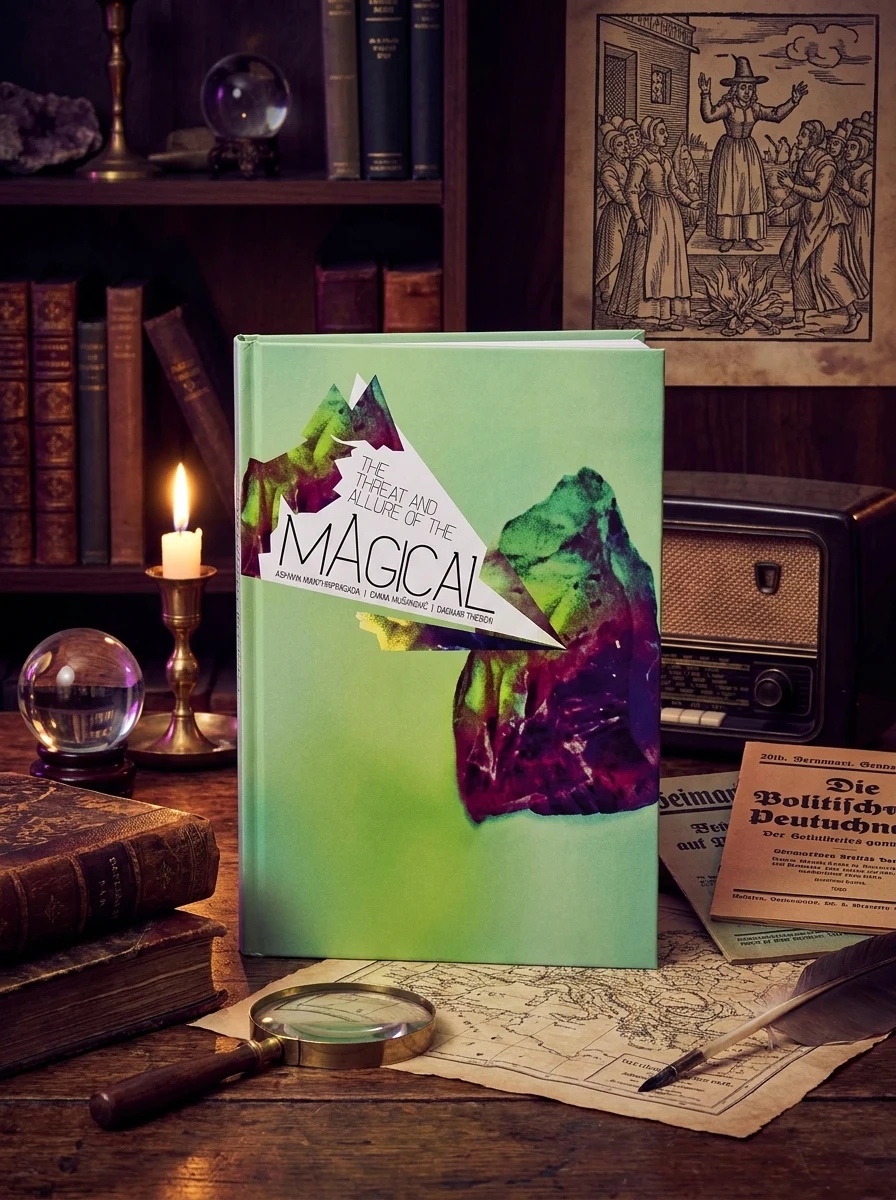
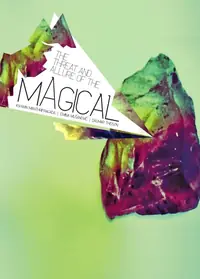
The Threat and Allure of the Magical: Selected Papers from the 17th Annual Interdisciplinary German Studies Conference, University of California, Berkeley
This edition can be ordered. No arrival date is confirmed.
Unveil the complex dance between enchantment and dread across centuries of German thought.
This compelling collection, born from Berkeley's 17th Interdisciplinary German Studies Conference, delves into the multifaceted presence of the magical. It explores the intricate connections between the occult, political power, media, and aesthetics within German cultural history. From the early modern construction of the witch to the Third Reich's ambivalent fascination with the esoteric, and from the magical in fairy tales challenging Enlightenment reason to 19th-century novellas dissecting perception, these essays offer rigorous critical and historical analysis, illuminating magic's enduring allure and menace.
This volume situates itself within the rigorous academic discourse of German Studies, bridging historical analysis with interdisciplinary inquiry into the cultural history of the occult. It examines how magical concepts have historically intersected with political power, aesthetics, and media within the German intellectual tradition.


📝 Description: The Threat and Allure of the Magical: Selected Papers from the 17th Annual Interdisciplinary German Studies Conference, University of California, Berkeley
💎 Expert review
📖 Why choose it
Why this book is worth reading
Scholars and dedicated enthusiasts of esoteric history will find this collection indispensable for its deep dive into the dual nature of magic as both a source of enchantment and dread. By tracing the trajectory from early modern witchcraft constructions to the Third Reich’s complex relationship with the esoteric, the essays provide critical insights into how magical thought challenges Enlightenment reason. Readers interested in the intersection of politics, aesthetics, and the occult will appreciate the rigorous historical analysis that illuminates magic's enduring presence in German cultural identity, offering a sophisticated framework for understanding these timeless tensions.
⭐ Reader reviews
Reader rating
This academic compilation offers a dense, scholarly exploration of magic within German studies, appealing primarily to those with a background in critical theory or historical research. While it provides valuable insights into the political and aesthetic dimensions of the occult, it is not suited for casual readers seeking accessible narratives or practical magical instruction. The text demands patience and familiarity with interdisciplinary academic conventions, making it less appropriate for general audiences looking for light reading. However, for those engaged in serious study of German cultural history and the sociology of the esoteric, it serves as a vital resource.
❓ Frequently asked questions
📖 Who should read this
If you're drawn to the intellectual currents where magic meets critical theory, German history, or literary analysis, this collection offers profound insights. It's for the reader who appreciates scholarly depth and multidisciplinary perspectives on the esoteric's enduring cultural impact across diverse historical and literary landscapes.
🎯 Key themes and symbolism
The Political Occult
Explore the unsettling interplay between esoteric beliefs and political power, particularly through a meticulous examination of the Third Reich's fraught and contradictory relationship with various occult traditions. This analysis reveals how magic can be simultaneously embraced for perceived strength and condemned as a threat to state ideology.
Magic & Media's Evolution
Discover how the concept of the magical is shaped and disseminated through different forms of media across history. From the early modern printing press defining the 'witch' to 19th-century novellas exploring perception and narrative structure, the essays demonstrate media's crucial role in constructing and transmitting supernatural ideas.
Challenging Enlightenment Reason
Consider how the magical, particularly within literary forms like fairy tales and novellas, functions as a powerful counterpoint to Enlightenment rationality. These analyses, drawing on feminist and critical theories, reveal the magical as a disruptive force that exposes the limits of purely logical frameworks and offers alternative ways of understanding reality.
💬 Quotes from the book
“The construction of the witch in early modern print media reveals less about actual magical practice and more about the anxieties of a society grappling with nascent media power and evolving social structures.”
“In the shadow of modernity, the magical often serves as a potent challenge to Enlightenment reason, exposing the limits of purely rational frameworks and offering alternative epistemologies within narrative.”
📜 Historical context
📚 Glossary
- Semiotics
- Narratology
- Liminality
📔 Questions to reflect on
- How does the 'magical,' as presented in historical or literary contexts, reflect deeper societal anxieties or cultural shifts rather than just supernatural beliefs?
- Consider how different media forms—from early print to 19th-century novellas—influence our perception and understanding of what constitutes 'magic.' How do these mediums shape the message?
- In what ways do literary portrayals of magic challenge or affirm established philosophical or scientific paradigms, particularly in the context of Enlightenment thought?
🏛 Books from this publisher Cambridge Scholars Publishing
All books from this publisher →
 90
90
You might also like
See more →
 91
91
 91
91