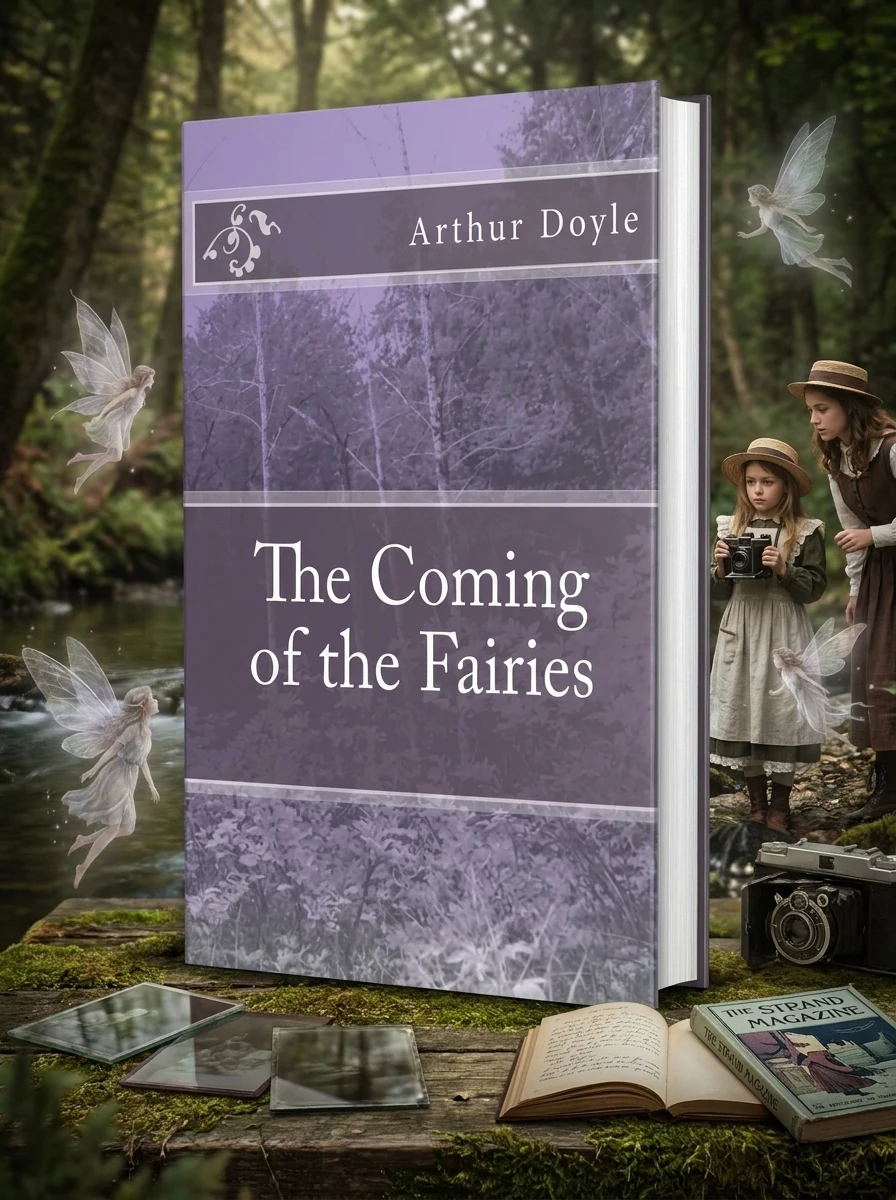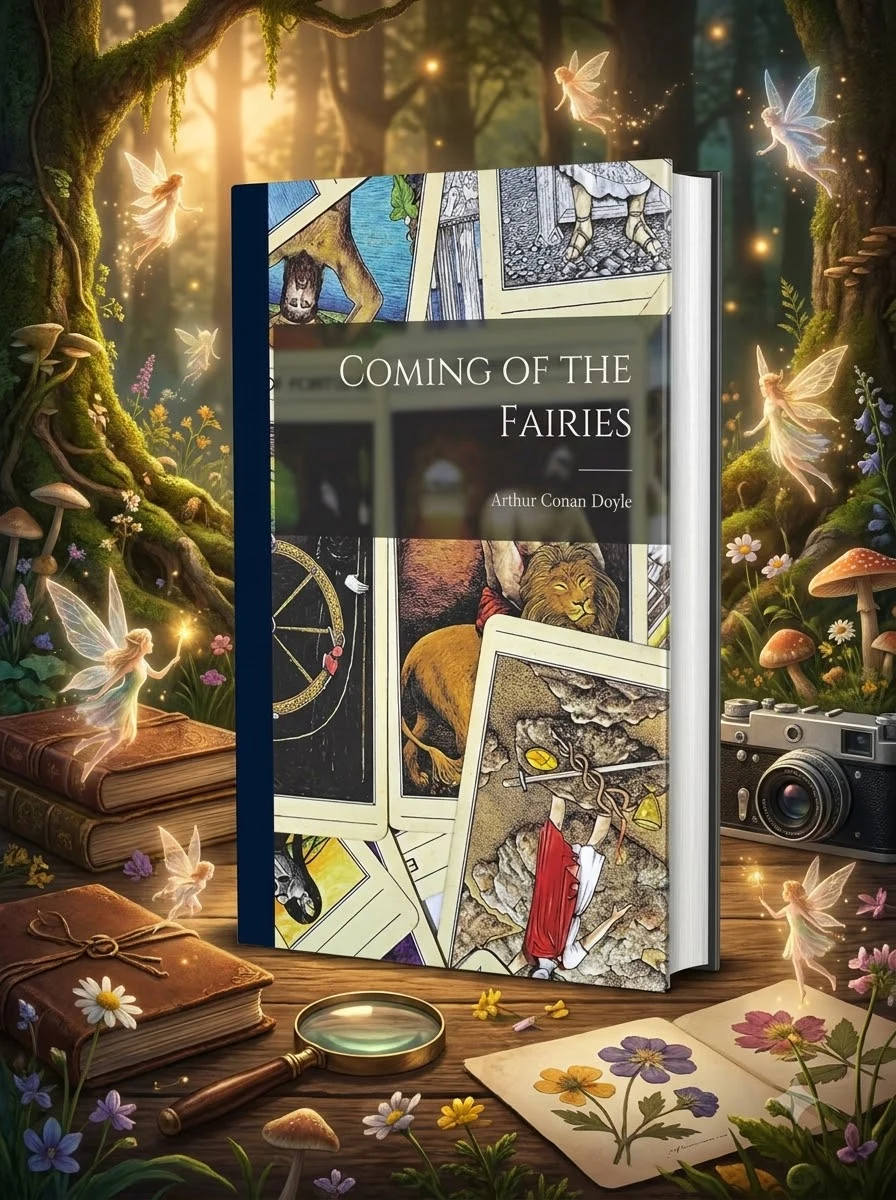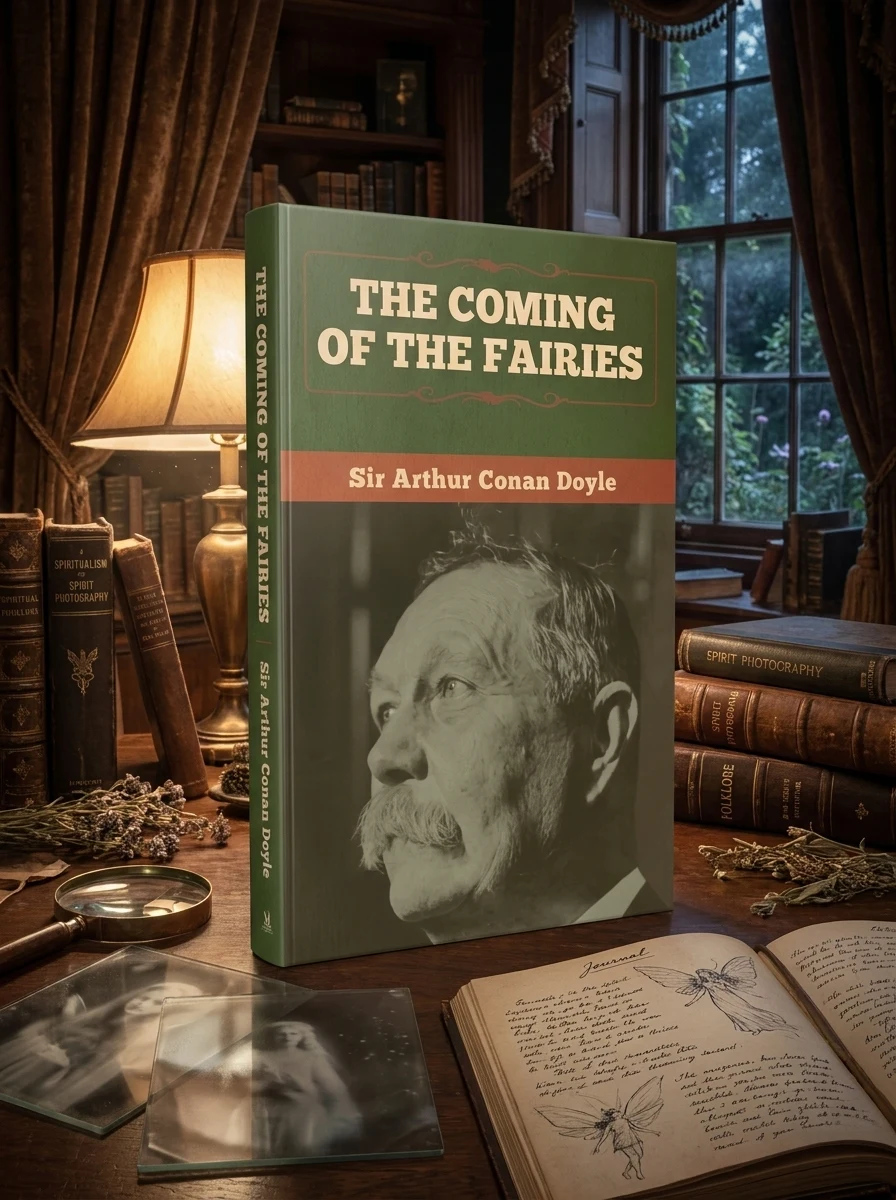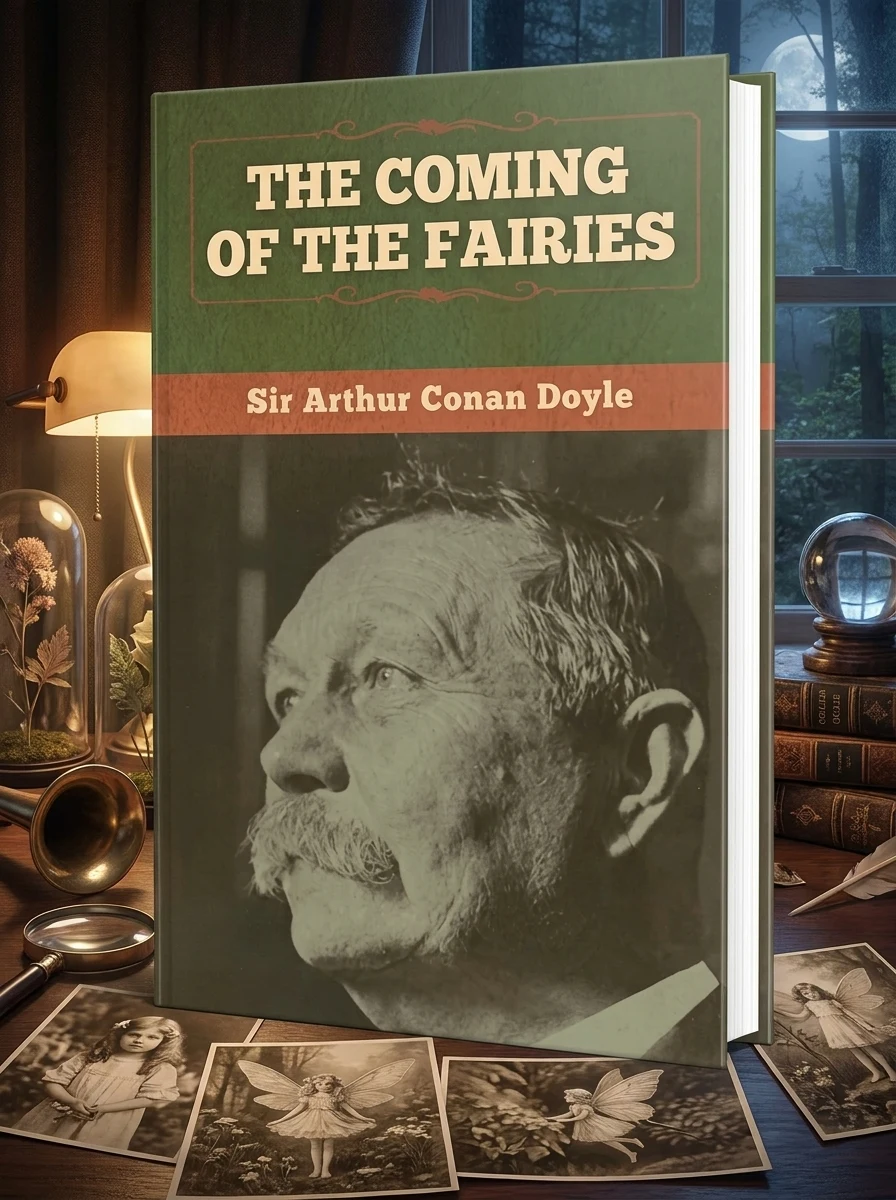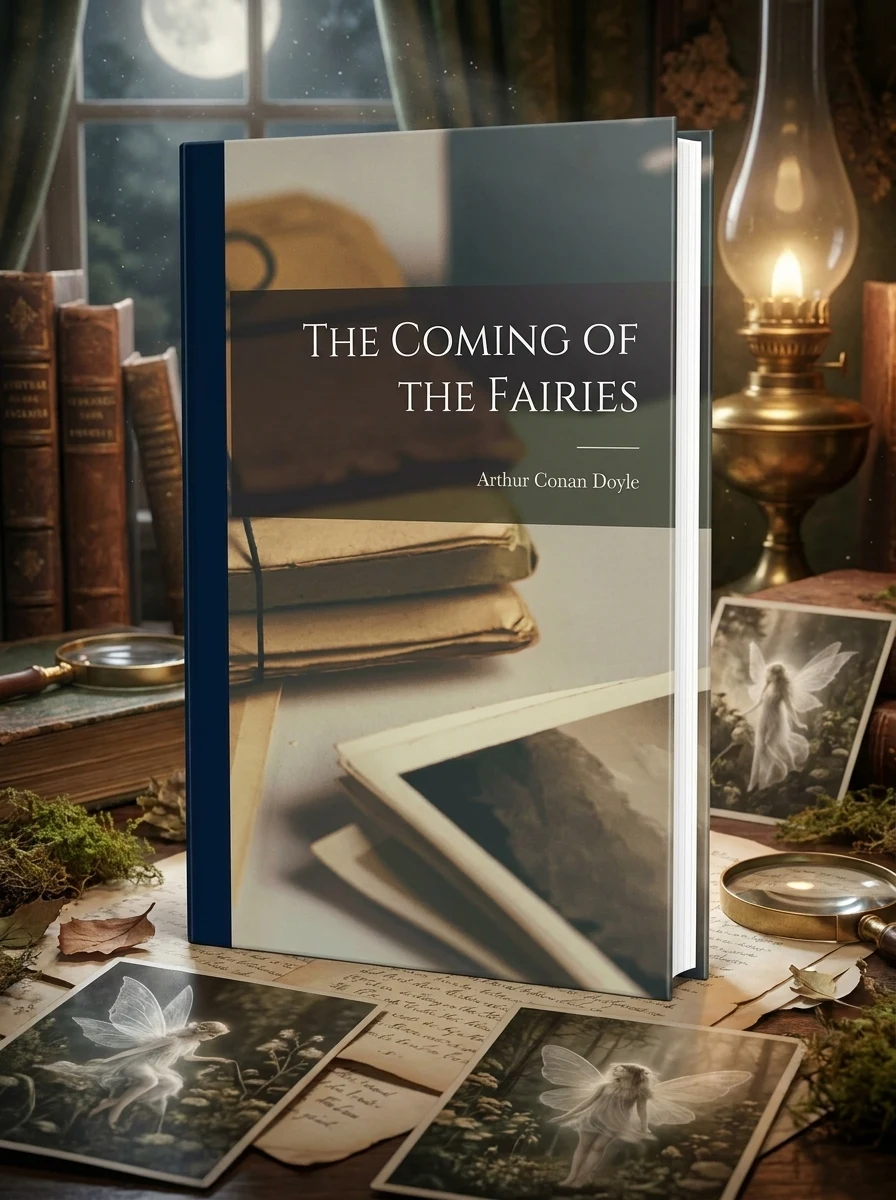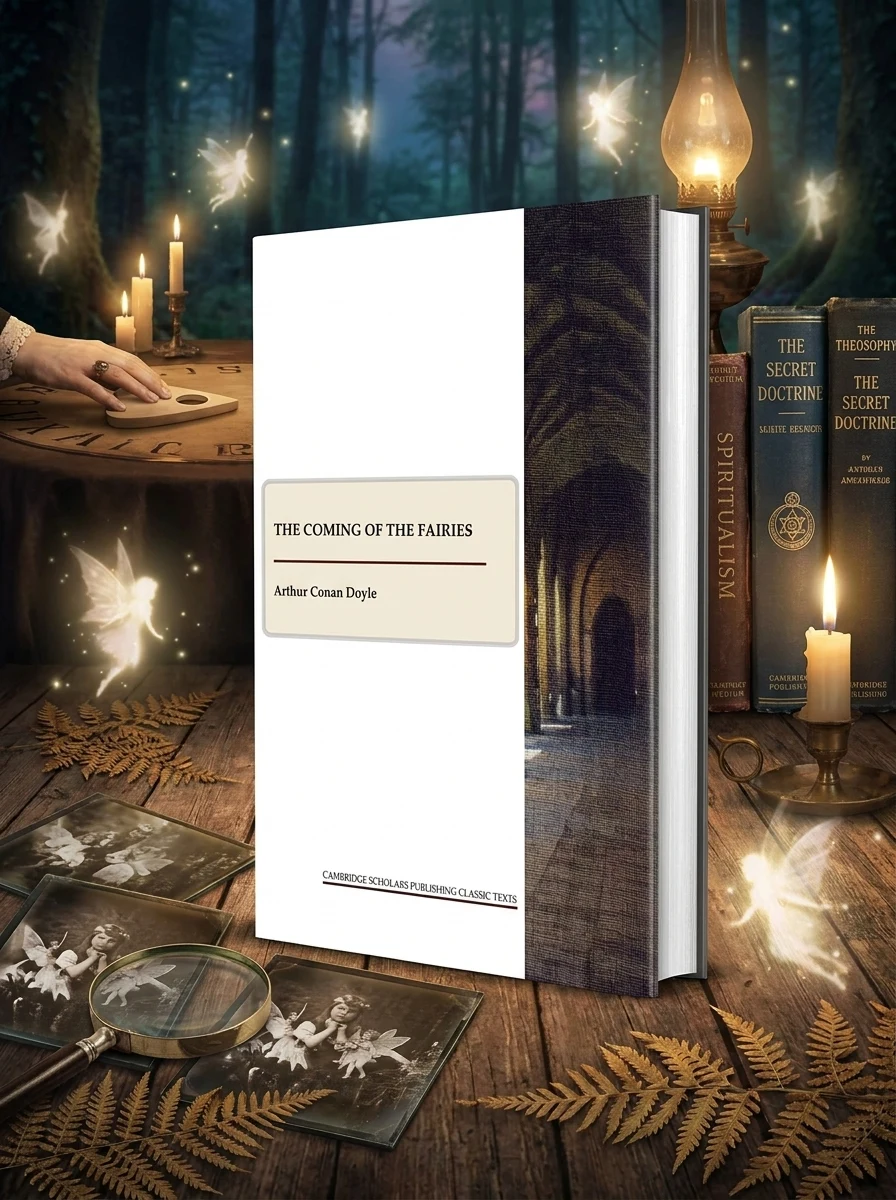
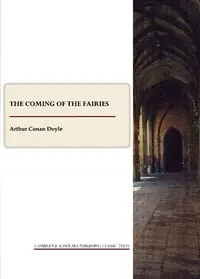
The Coming of the Fairies
Doyle, Arthur ConanStock reported in the catalog; fulfillment is confirmed with your request.
Sherlock Holmes' creator, a believer in fairies? Discover his fervent defense.
This extraordinary volume chronicles Sir Arthur Conan Doyle's passionate advocacy for the authenticity of the infamous Cottingley fairy photographs. Far from a simple curiosity, the work delves deeply into Doyle's profound commitment to Spiritualism, revealing how his worldview embraced the unseen. It also explores the intricate connections between his spiritual convictions and the tenets of Theosophy, presenting a compelling, if controversial, argument for the existence of fae folk and other ethereal entities. This book offers a unique window into a renowned mind grappling with the boundaries of belief and evidence.
This work sits at the intersection of early twentieth-century Spiritualism and Western esoteric traditions, reflecting a period where prominent intellectuals engaged with phenomena deemed supernatural by mainstream science. It highlights the complex dialogue between established literary figures and emerging occult philosophies like Theosophy.


📝 Description: The Coming of the Fairies
💎 Expert review
📖 Why choose it
Why this book is worth reading
Readers fascinated by the dichotomy between rational inquiry and spiritual belief will find this volume deeply compelling. It offers a unique window into Sir Arthur Conan Doyle’s mind, revealing how the creator of Sherlock Holmes navigated the boundaries of evidence and faith. Those interested in the historical context of Spiritualism or the intricate connections between literary fame and esoteric advocacy will appreciate this candid exploration. It is essential for anyone wishing to understand the fervent defense of the unseen that defined his later years.
⭐ Reader reviews
Reader rating
This text provides an intriguing look at Doyle’s controversial stance on the Cottingley fairy photographs, appealing primarily to scholars of Spiritualism and Doyle biographers. However, it may disappoint readers seeking a traditional fantasy narrative or rigorous scientific debunking. The dense integration of Theosophical tenets might alienate those unfamiliar with early twentieth-century esoteric movements. While valuable for its historical insight into a renowned mind grappling with belief, the argument’s fervor may feel unsubstantiated to skeptical audiences who prefer empirical evidence over spiritual conviction.
❓ Frequently asked questions
📖 Who should read this
If you're fascinated by the intersection of renowned intellects and unconventional beliefs, or by the historical currents of spiritualism and esoteric thought, this book is for you. It offers a unique glimpse into the mind of a literary giant grappling with the boundaries of the known world.
🎯 Key themes and symbolism
The Cottingley Enigma
Doyle meticulously presents and defends the purported fairy photographs taken by two young girls in Cottingley. He analyzes the images and testimonies, framing them as irrefutable proof of a hidden fae world, challenging the prevailing skepticism of his era and offering his own interpretation of the photographic 'evidence'.
Spiritualism's Influence
The book serves as a testament to Doyle's deeply held Spiritualist beliefs. He interprets the fairy phenomena through this lens, arguing that the existence of such beings aligns perfectly with the broader spiritual realms and communication with spirits, which he championed throughout his later life.
Theosophy's Parallel Path
Doyle frequently draws parallels between his understanding of the fairy kingdom and the philosophical underpinnings of Theosophy. He explores how this ancient wisdom tradition, with its emphasis on hidden planes of existence and spiritual evolution, provides a framework for comprehending the reality of these elusive beings.
💬 Quotes from the book
“The existence of these elusive beings, glimpsed by innocent eyes and captured by the camera's lens, offers a profound glimpse into the spiritual strata that underlie our own.”
“To dismiss the testimony of these children and the visual evidence presented is to close one's mind to the rich tapestry of life that extends far beyond our limited scientific instruments.”
📜 Historical context
📚 Glossary
- Spiritualism
- Theosophy
- Cottingley Photographs
📔 Questions to reflect on
- How does Sir Arthur Conan Doyle's defense of the Cottingley fairies challenge your own understanding of evidence versus belief?
- Consider how the societal and historical context of the early 20th century might have influenced the widespread fascination with spiritualism and unseen entities. What parallels, if any, exist today?
- Reflect on the distinction between Spiritualism and Theosophy as presented in the book. How might each framework interpret the existence of beings like fairies differently?
✍️ More books by this author Doyle, Arthur Conan
All books by this author →
 75
75
 86
86
 81
81
🏛 Books from this publisher Cambridge Scholars Publishing
All books from this publisher → 90
90
You might also like
See more →
 86
86