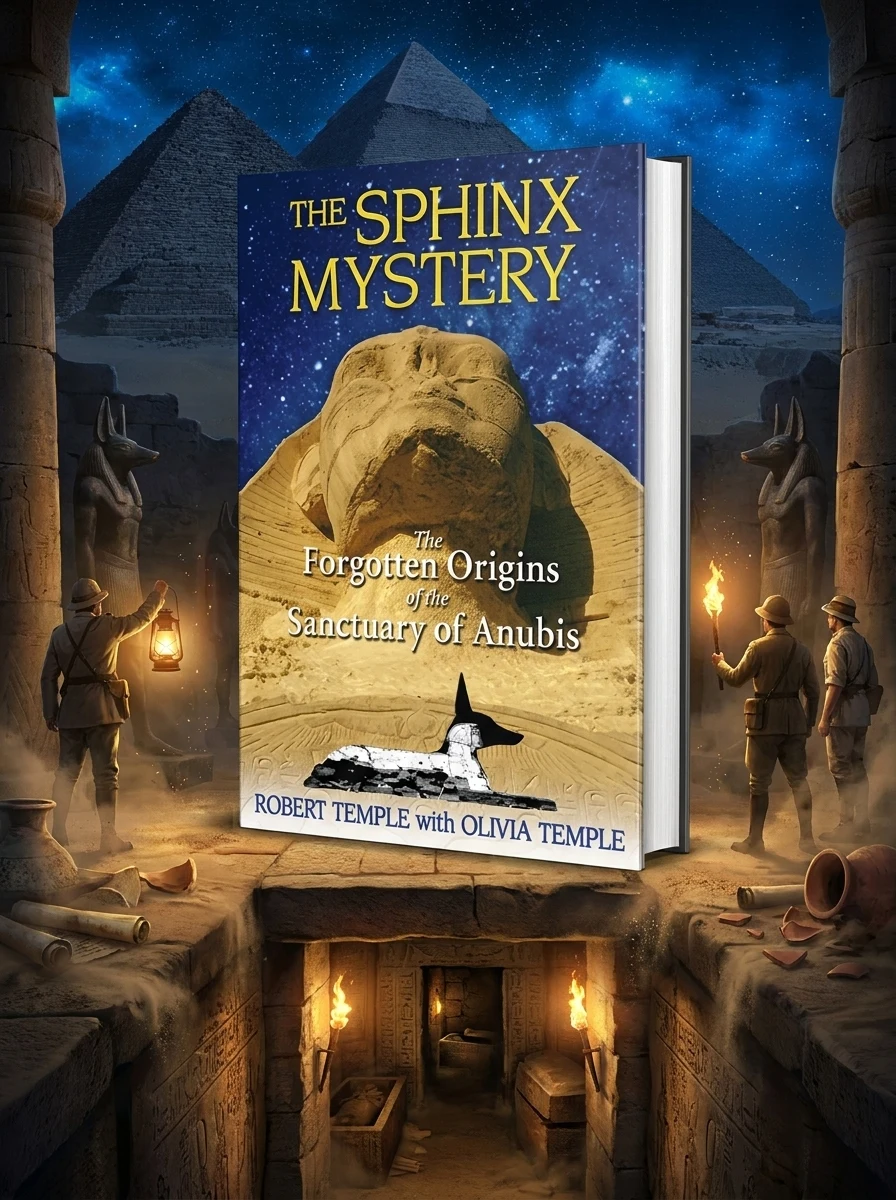
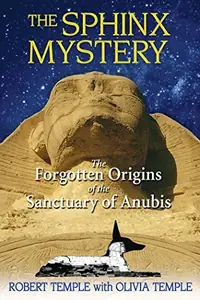
The Sphinx Mystery: The Forgotten Origins of the Sanctuary of Anubis
This edition can be ordered. No arrival date is confirmed.
Uncover the Sphinx's deepest secrets: hidden chambers, forgotten history, and its true identity as Anubis.
This groundbreaking work meticulously pieces together centuries of forgotten evidence, arguing that the Great Sphinx conceals subterranean chambers, sealed from public view since 1926. Robert and Olivia Temple meticulously present historical eyewitness accounts, asserting these passages confirm a hidden network. Furthermore, they propose the monument was originally carved as a colossal representation of Anubis, the jackal god of the dead, explaining its disproportionate features. This compelling investigation challenges conventional Egyptology, offering a radical new interpretation of one of antiquity's most enduring enigmas.
This work sits firmly within the tradition of alternative Egyptology and esoteric archaeology, challenging mainstream academic consensus with speculative historical reconstructions. It appeals to readers interested in hidden histories and the intersection of mythology with physical monuments.


📝 Description: The Sphinx Mystery: The Forgotten Origins of the Sanctuary of Anubis
💎 Expert review
📖 Why choose it
Why this book is worth reading
Readers fascinated by the Great Sphinx’s enduring mysteries and those weary of conventional Egyptological narratives will find this book deeply engaging. It offers a compelling alternative perspective, weaving together historical eyewitness accounts to propose that the monument hides a vast subterranean network sealed since 1926. Those intrigued by the theory that the Sphinx originally represented Anubis will appreciate the detailed argument regarding its disproportionate features. This investigation provides a radical reinterpretation for anyone seeking to uncover forgotten origins and hidden chambers, satisfying a curiosity about antiquity’s most enduring enigmas through a lens of esoteric discovery.
⭐ Reader reviews
Reader rating
Temple and Olivia Temple present a bold thesis that challenges established Egyptology by asserting the existence of sealed subterranean chambers and an Anubian origin. While their use of historical eyewitness accounts creates a persuasive narrative for believers, skeptics may find the lack of rigorous peer-reviewed evidence frustrating. This book is not suited for academic Egyptologists or those who prefer strictly documented archaeological facts over speculative reconstruction. However, for enthusiasts of alternative history and esoteric studies, it offers a stimulating, albeit controversial, exploration of the Sphinx’s true identity and hidden depths.
❓ Frequently asked questions
📖 Who should read this
For seekers drawn to the profound mysteries of ancient Egypt, who question conventional narratives, and delight in uncovering hidden truths. If you crave a meticulously researched, yet boldly speculative journey into the heart of the Sphinx's enigma, prepare to have your perspectives fundamentally reshaped.
🎯 Key themes and symbolism
Hidden Subterranean Worlds
The book unearths a wealth of historical documentation, detailing numerous accounts from travelers who explored chambers beneath the Sphinx before their official sealing. It challenges current archaeological narratives by presenting forgotten evidence of these concealed spaces, suggesting a secret history lies beneath the sands of Giza.
The True Identity of the Sphinx
Shifting focus from the conventionally accepted pharaonic visage, this work posits a revolutionary theory: the Sphinx was initially conceived as the jackal-headed god Anubis. It meticulously analyzes the monument's unusual proportions, arguing they are consistent with a colossal canid form, later recarved into a human head.
Reinterpreting Ancient Egyptian Lore
The authors delve into ancient myths and historical records, linking the Sphinx directly to the god of the necropolis and the mysteries of death and resurrection. This re-evaluation recontextualizes the entire Giza plateau, suggesting a deeper, more esoteric purpose for its monumental structures than widely acknowledged.
💬 Quotes from the book
“The dusty archives yielded their secrets, revealing numerous firsthand accounts of intrepid explorers who ventured into the Sphinx's hidden passages long before memory faded and seals were cast.”
“Beneath the eroded human visage, the undeniable form of the jackal god, Anubis, awaits rediscovery, a monumental sentinel of the necropolis predating its pharaonic guise.”
📜 Historical context
📚 Glossary
- Sphinx of Giza
- Anubis
- Necropolis
📔 Questions to reflect on
- How does the idea of hidden chambers beneath the Sphinx resonate with your understanding of ancient mysteries and hidden knowledge?
- If the Sphinx was indeed Anubis, how might this change our perception of the entire Giza plateau's purpose and symbolism?
- Consider the role of "forgotten" historical accounts in challenging established academic narratives. What other historical enigmas might benefit from such re-examination?
🏛 Books from this publisher Inner Traditions International
All books from this publisher →



You might also like
See more →
 91
91