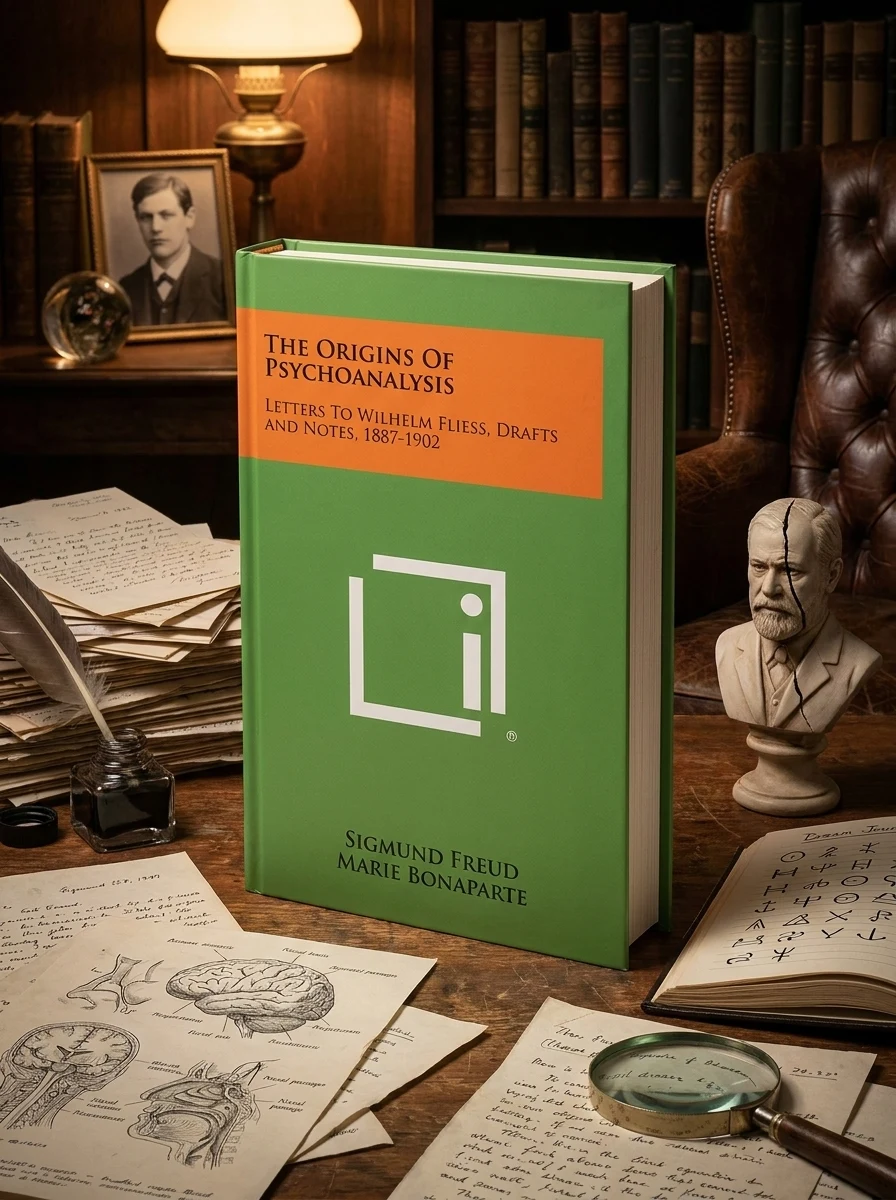

The Origins of Psychoanalysis: Letters to Wilhelm Fliess, Drafts and Notes, 1887-1902
Freud, SigmundStock reported in the catalog; fulfillment is confirmed with your request.
Unearth the raw, unfiltered genesis of psychoanalysis from Freud's own hand.
Step into the formative years of Sigmund Freud's revolutionary thought through this intimate collection of letters, drafts, and personal notes exchanged with his confidant, Wilhelm Fliess. Spanning 1887 to 1902, this volume offers an unprecedented glimpse into the nascent theories of the unconscious, sexuality, and dream interpretation. It also candidly reveals Freud's intense self-analysis, his intellectual struggles, and the complex, ultimately fractured, personal relationship with Fliess. Essential for comprehending the foundational concepts of modern psychology, presented as they were first conceived.
This work sits at the intersection of late 19th-century medical history and the emerging field of depth psychology, capturing the pivotal transition from Victorian sexual mores to modern psychoanalytic theory. It serves as a primary document for understanding the intellectual lineage of Freudian thought during its most volatile formative period.


📝 Description: The Origins of Psychoanalysis: Letters to Wilhelm Fliess, Drafts and Notes, 1887-1902
💎 Expert review
📖 Why choose it
Why this book is worth reading
Scholars, psychologists, and history enthusiasts will find immense value in this volume as it bypasses polished final theories to reveal the messy, vibrant process of discovery. Readers interested in the biographical dynamics between two brilliant minds will appreciate the candid exposure of Freud’s self-analysis and his intense, eventually fractured relationship with Fliess. It offers an unfiltered look at how concepts like the unconscious and dream interpretation were first conceived, providing essential context for anyone seeking to truly comprehend the foundational pillars of modern psychology rather than just its established conclusions.
⭐ Reader reviews
Reader rating
This collection is a vital resource for historians of ideas and dedicated Freudians who crave primary source material. However, it is not suited for casual readers seeking accessible self-help or straightforward narrative biography. The dense, technical nature of the drafts and notes may alienate those uninterested in the gritty details of intellectual struggle or the specific medical terminology of the era. Furthermore, readers expecting a polished, definitive history will likely find the raw, disjointed format frustrating. It demands patience and a specific academic interest in the genesis of psychoanalysis.
❓ Frequently asked questions
📖 Who should read this
If you're fascinated by the origins of psychological thought, the creative process of genius, or the intricate dance between personal life and groundbreaking theory, this essential collection offers unparalleled insight into one of history's most influential minds.
🎯 Key themes and symbolism
Birth of Psychoanalysis
This collection charts the very first conceptualizations of psychoanalysis, showcasing Freud's intellectual journey from early neurological studies to his groundbreaking theories on the psyche. Readers witness the raw development of ideas that would profoundly reshape our understanding of the human mind, often presented as tentative hypotheses or passionate arguments to his colleague.
Freud's Self-Analysis
Beyond academic theory, these letters expose Freud's profound personal struggles and his pioneering attempt at self-analysis. He grapples with his own neuroses, dreams, and childhood memories, using himself as the primary subject for psychological exploration. This offers a deeply human perspective on the man behind the monumental theories, revealing his vulnerability and intellectual courage.
The Unconscious & Drives
The correspondence delves into Freud's evolving understanding of the unconscious mind, the significance of dreams, and the role of infantile sexuality in psychological development. These are not presented as polished doctrines, but as ideas being wrestled with, debated, and refined, providing a unique window into how these controversial concepts first took shape in his thought.
💬 Quotes from the book
“My recent analysis of Dora's case has brought me closer to understanding the hysterical symptoms as a symbolic language of repressed desire. The dream-work is indeed the royal road, Wilhelm.”
“The intellectual isolation here is profound, Wilhelm. My own self-analysis continues to yield disturbing insights, yet it feels crucial, a necessary descent into the personal abyss to illuminate the universal.”
📜 Historical context
📚 Glossary
- Psychoanalysis
- Unconscious Mind
- Self-analysis
📔 Questions to reflect on
- Reflect on a personal struggle you've faced. How might a 'self-analysis' of its origins, perhaps through dream interpretation, reveal deeper truths about yourself?
- Consider a groundbreaking idea or theory in any field. How do these letters illuminate the often messy, personal, and collaborative process of intellectual discovery?
- Freud's work challenged societal norms. What contemporary beliefs or practices might be ripe for a 'psychoanalytic' re-evaluation today?
✍️ More books by this author Freud, Sigmund
All books by this author →

🏛 Books from this publisher Literary Licensing, LLC
All books from this publisher →
 82
82

 86
86


 82
82


You might also like
See more →
 91
91
 91
91
 90
90
 90
90
 90
90