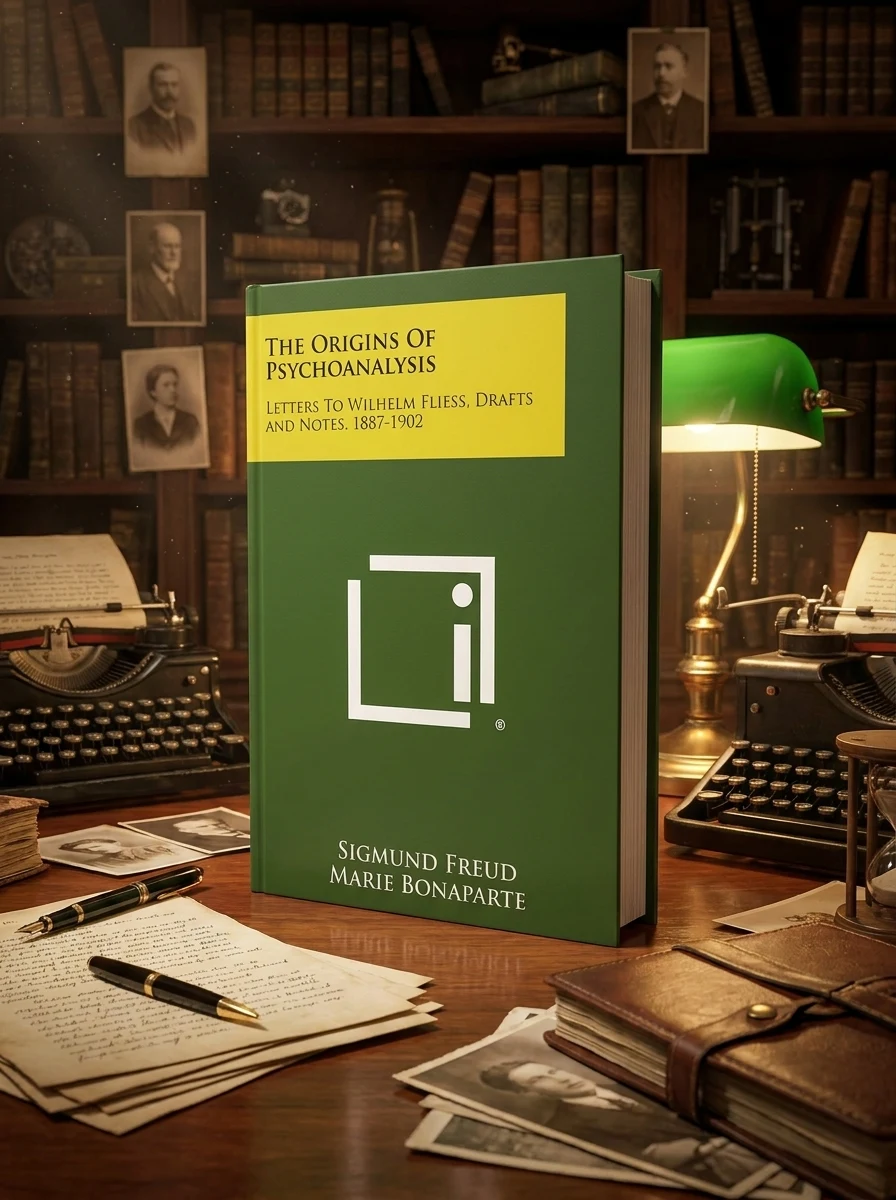

The Origins of Psychoanalysis: Letters to Wilhelm Fliess, Drafts and Notes, 1887-1902
Freud, SigmundStock reported in the catalog; fulfillment is confirmed with your request.
Unearth the raw, unfiltered genesis of psychoanalysis from Freud's own hand.
Step into the intellectual crucible where Sigmund Freud forged his revolutionary theories. This extraordinary collection unveils his intimate letters to Wilhelm Fliess, alongside pivotal drafts and personal notes spanning 1887 to 1902. Witness the nascent stages of psychoanalysis, from its speculative beginnings to the first glimmers of its foundational concepts. More than a historical document, this offers a unique window into Freud's self-analysis, his intellectual struggles, and the profound personal journey that underpinned his groundbreaking exploration of the human psyche, presented in a newly accessible edition of the original 1954 compilation.
This work stands as a primary source document within the history of psychology and philosophy, bridging the gap between Victorian scientific inquiry and modern psychoanalytic theory. It captures the transitional period where speculative biological theories began to coalesce into the structured framework of the unconscious mind.


📝 Description: The Origins of Psychoanalysis: Letters to Wilhelm Fliess, Drafts and Notes, 1887-1902
💎 Expert review
📖 Why choose it
Why this book is worth reading
Readers with a deep passion for the intellectual history of the mind will find immense value in this intimate glimpse into Sigmund Freud’s creative process. This collection is essential for scholars, historians, and serious students of psychology who wish to witness the raw genesis of psychoanalysis before it became codified dogma. By examining the unfiltered correspondence with Wilhelm Fliess and personal drafts, one gains a profound understanding of the intellectual struggles and self-analysis that fueled Freud’s groundbreaking exploration of the psyche. It offers a unique window into the speculative beginnings of revolutionary concepts, making it an indispensable resource for those dedicated to tracing the origins of modern psychological thought.
⭐ Reader reviews
Reader rating
This volume serves as a vital archival record for specialists in psychoanalytic history, offering unparalleled access to Freud’s nascent theories through his private letters and notes. However, it is not suited for casual readers or those seeking a straightforward introduction to psychoanalysis, as the material is highly technical, fragmented, and rooted in specific late-19th-century scientific contexts. Readers expecting polished, accessible narratives may find the raw drafts and dense correspondence difficult to navigate without prior knowledge of Freudian theory. It is best appreciated by academics and dedicated enthusiasts who value historical authenticity over narrative fluidity.
❓ Frequently asked questions
📖 Who should read this
For the serious student of the occult anatomy of the mind, the historian of ideas, or anyone fascinated by the arduous birth of a revolutionary thought system. If you seek to understand the man behind the myths and the raw struggle of creation, this is your essential text.
🎯 Key themes and symbolism
Genesis of Psychoanalysis
This volume provides an unparalleled look into the very moment when psychoanalytic thought began to coalesce. Readers can trace the embryonic forms of concepts like repression, the unconscious, and dream interpretation as they emerged from Freud's intense self-reflection and correspondence, offering a direct path to the roots of a paradigm-shifting discipline.
Freud's Self-Exploration
Beyond theory, this collection reveals Freud's courageous and often agonizing journey of self-analysis. His letters serve as a confessional, laying bare his personal neuroses, dreams, and intellectual doubts. It highlights how his own inner landscape became the primary laboratory for understanding the universal workings of the human mind, blurring the lines between researcher and subject.
Intellectual Correspondence
The dynamic exchange with Wilhelm Fliess forms the backbone of this work, showcasing a crucial intellectual partnership. Fliess acted as Freud's confidant and sounding board, a vital interlocutor against whom Freud tested his most radical ideas. This correspondence illustrates the alchemical process of intellectual discovery forged through intense, often challenging, dialogue.
💬 Quotes from the book
“The mind is a haunted mansion, and I am merely charting its shadowy corridors, hoping to find the light switch.”
“My own dreams have become my most challenging patients; their symbols are a language I am only just beginning to decipher.”
📜 Historical context
📚 Glossary
- Psychoanalysis
- Neurosis
- Unconscious
📔 Questions to reflect on
- Reflect on a personal 'aha!' moment in your own life. How did this realization emerge from a period of struggle or intense focus, similar to Freud's process?
- Consider the role of a trusted confidant in developing your own ideas or understanding. How does intellectual exchange shape your perspective?
- If you were charting a new, unknown territory of the mind, what questions would you ask first, and what tools would you employ to seek answers?
✍️ More books by this author Freud, Sigmund
All books by this author →
🏛 Books from this publisher Literary Licensing, LLC
All books from this publisher →
 82
82

 86
86

 82
82


You might also like
See more →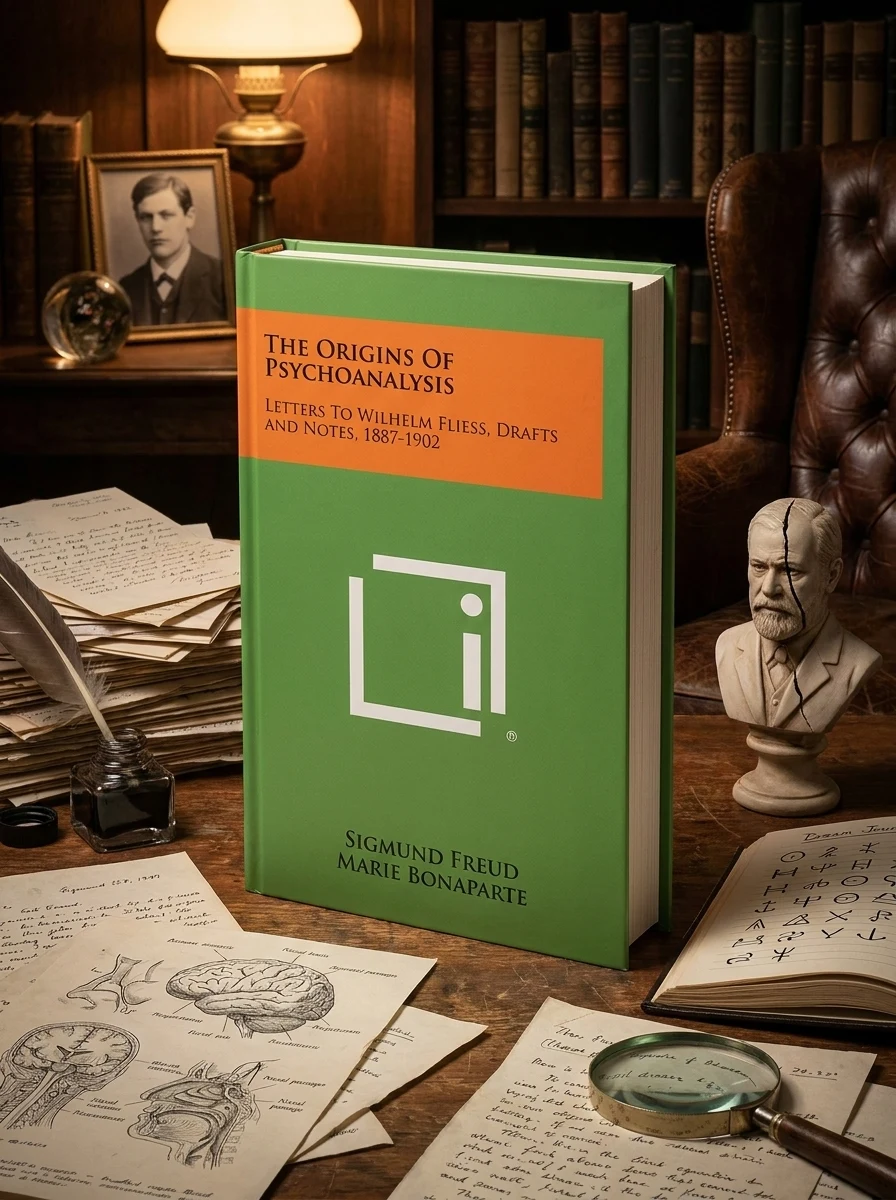
 91
91
 91
91
 90
90
 90
90
 90
90