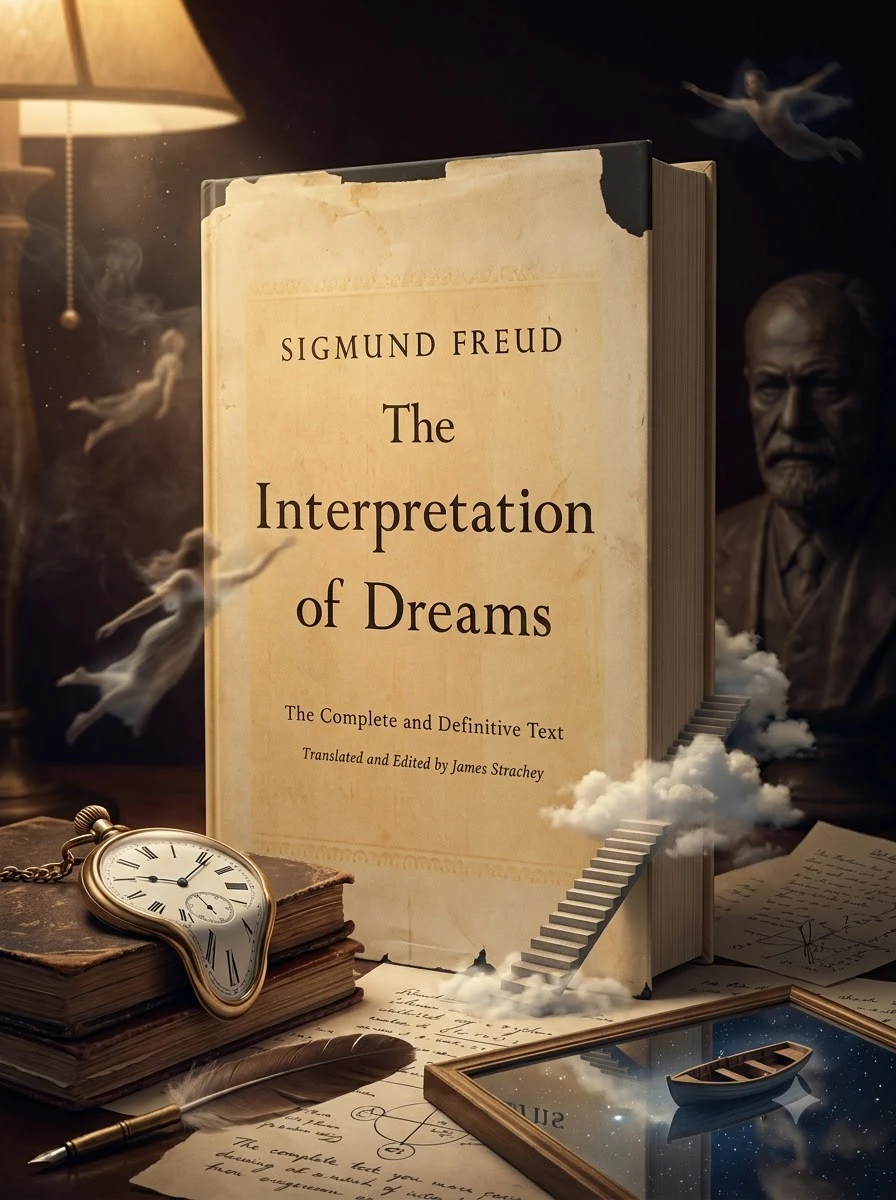
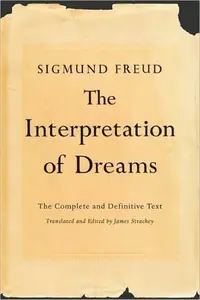
The Interpretation of Dreams
Freud, SigmundStock reported in the catalog; fulfillment is confirmed with your request.
Unlock the hidden language of your nocturnal mind.
Sigmund Freud's seminal work, first appearing in 1899, radically transformed our understanding of dreams. This foundational text argues that our sleeping visions are not random occurrences but rather profound expressions of our unconscious desires and conflicts. Through meticulous analysis of numerous patient case studies and dream narratives, Freud introduces concepts like manifest and latent content, revealing how our psyche symbolically processes experiences. It remains an indispensable guide for anyone seeking to decipher the deep psychological significance behind their nocturnal journeys.
This seminal work emerged in the late 19th century to radically transform the understanding of dreams and the unconscious mind. It established a foundational text for psychological analysis by arguing that sleeping visions are profound expressions of hidden desires rather than random occurrences.


📝 Description: The Interpretation of Dreams
💎 Expert review
📖 Why choose it
Why this book is worth reading
This book is indispensable for anyone seeking to decipher the deep psychological significance behind their nocturnal journeys. Readers interested in unlocking the hidden language of their nocturnal mind will find immense value in Freud’s meticulous analysis of patient case studies. It offers a profound exploration of how our psyche symbolically processes experiences through manifest and latent content. Those eager to understand their unconscious desires and conflicts will appreciate this groundbreaking guide. It serves as an essential tool for anyone wishing to look beyond random occurrences and uncover the meaningful narratives hidden within their sleeping visions, providing clarity on the complex workings of the human soul.
⭐ Reader reviews
Reader rating
Freud’s foundational text radically transformed our understanding of dreams by presenting them as expressions of unconscious desires rather than random events. While it remains an indispensable guide for deciphering deep psychological significance, its dense reliance on patient case studies and theoretical constructs may alienate casual readers. It does not suit those seeking quick, practical dream interpretation tricks or empirical scientific validation. The work is best appreciated by dedicated students of the mind who are willing to engage with its complex symbolic processing arguments. Readers expecting light entertainment or straightforward advice will likely find it tedious, but for serious scholars of the unconscious, it is a vital, albeit difficult, cornerstone of psychological inquiry.
❓ Frequently asked questions
📖 Who should read this
If you're captivated by the mysteries of the mind, seeking deeper self-understanding, or exploring the origins of psychoanalytic thought, this book is for you. It offers a challenging yet rewarding journey into the unconscious, ideal for students and curious individuals.
🎯 Key themes and symbolism
Dream Symbolism Unveiled
Freud meticulously dissects the "special language" of dreams, distinguishing between their surface narrative (manifest content) and the deeper, often veiled meanings (latent content). He provides a framework for understanding how the unconscious mind translates complex thoughts and desires into symbolic imagery, offering a window into our innermost workings.
The Wish Fulfillment
A cornerstone of Freudian theory, this concept posits that dreams are fundamentally disguised attempts to satisfy unfulfilled desires, often those deemed unacceptable or repressed in waking life. Freud illustrates how even seemingly negative or anxious dreams serve a protective function, symbolically fulfilling a wish to maintain sleep or express a forbidden impulse.
Childhood's Echoes
This work emphasizes the profound and lasting impact of early life experiences and unresolved childhood conflicts on our adult dreamscapes. Freud argues that many recurring dream patterns and significant symbols can be traced back to formative events, highlighting how our past continues to shape our present psychological landscape.
💬 Quotes from the book
“The dream is a disguised fulfillment of a repressed wish.”
“Dreams are the royal road to a knowledge of the unconscious activities of the mind.”
📜 Historical context
📚 Glossary
- Manifest Content
- Latent Content
- Wish Fulfillment
📔 Questions to reflect on
- Reflect on a recurring dream you've had. What elements are consistent, and what unacknowledged desires or concerns might they represent?
- Consider a strong emotional reaction you've had to a dream. How might this emotion connect to past experiences or unresolved issues from your childhood?
- If dreams are 'wish fulfillments,' what unspoken wishes or suppressed impulses might your most vivid dreams be attempting to express, even in disguised forms?
✍️ More books by this author Freud, Sigmund
All books by this author →

🏛 Books from this publisher Basic Books
All books from this publisher →

You might also like
See more →


 91
91