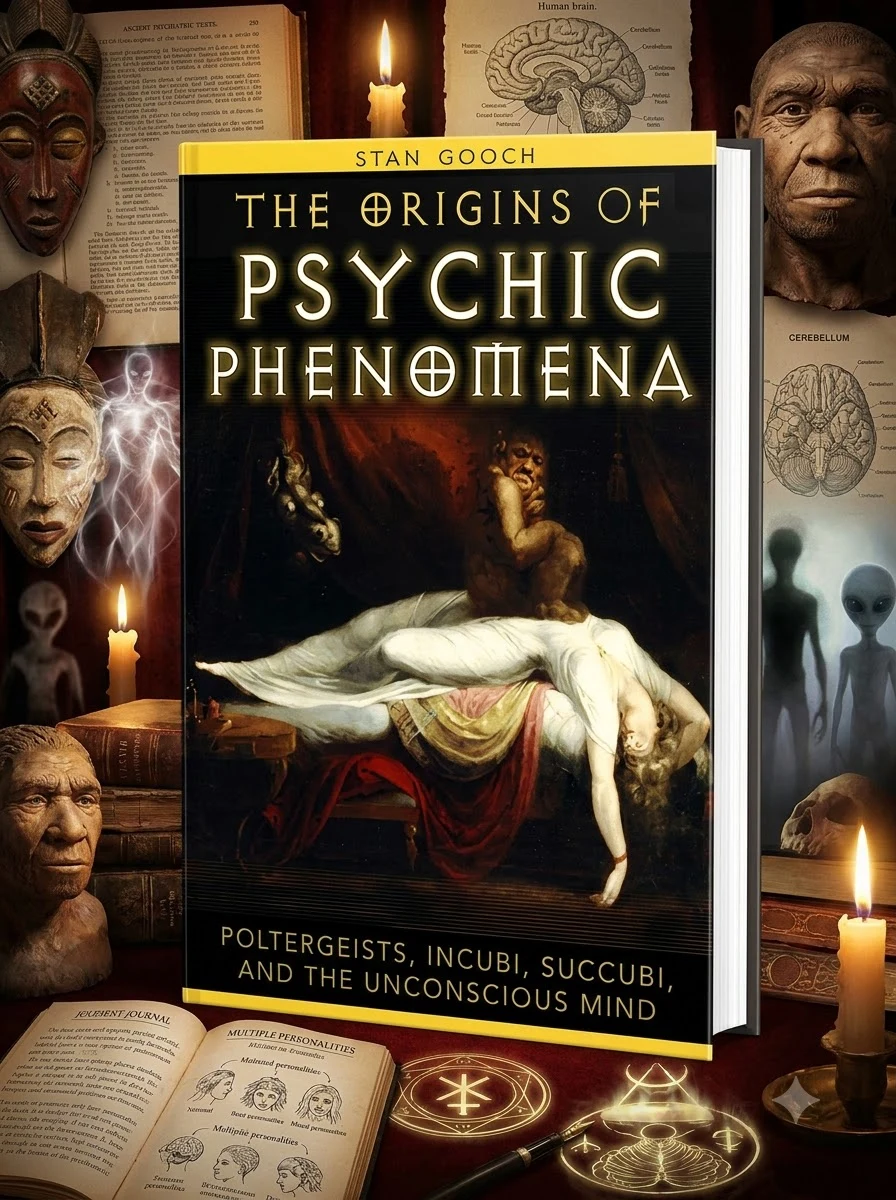
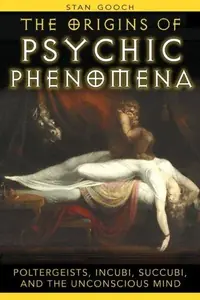
The Origins of Psychic Phenomena: Poltergeists, Incubi, Succubi, and the Unconscious Mind
Gooch, Stan

This edition can be ordered. No arrival date is confirmed.
Uncover the brain's forgotten depths where psychic phenomena truly originate.
Stan Gooch boldly redefines the source of paranormal occurrences, moving beyond traditional occult explanations to ground them in human psychology and neurology. This groundbreaking work posits that the unconscious mind, particularly the cerebellum—a part of the brain often overlooked in its capacity—is the true wellspring for phenomena like poltergeist activity, incubi, succubi, and even split personalities. Gooch argues that our deeper, perhaps "Neanderthal" subconscious, is externalizing these energies, offering a compelling, scientific lens through which to understand seemingly inexplicable events.
This work sits at the intersection of occult inquiry and depth psychology, challenging traditional esoteric frameworks by grounding paranormal phenomena in neurology. It reflects a period where authors sought to reconcile spiritual experiences with scientific understanding of the human mind.


📝 Description: The Origins of Psychic Phenomena: Poltergeists, Incubi, Succubi, and the Unconscious Mind
💎 Expert review
📖 Why choose it
Why this book is worth reading
Readers fascinated by the mystery of psychic phenomena will find this book a refreshing alternative to supernatural explanations. Stan Gooch offers a compelling scientific lens, suggesting that the unconscious mind and cerebellum are the true sources of poltergeist activity and incubi encounters. It is ideal for those who wish to understand these experiences through psychology and neurology rather than dogma. By exploring our deeper, perhaps 'Neanderthal' subconscious, Gooch provides a bridge between the spiritual and the biological. This approach allows readers to demystify inexplicable events without dismissing their intensity, offering a grounded yet profound perspective on the origins of the paranormal.
⭐ Reader reviews
Reader rating
Gooch’s thesis is bold, relocating the source of paranormal occurrences from external spirits to the brain’s forgotten depths. While this neuro-psychological approach offers a unique and intellectually stimulating framework for understanding poltergeists and dream entities, it may alienate readers seeking traditional occult validation or spiritual comfort. Those expecting detailed ritualistic guidance or supernatural confirmation will likely find this text too clinical. However, for those open to a scientific reinterpretation of esoteric experiences, the argument is provocative and well-reasoned, challenging conventional wisdom with a rigorous, albeit controversial, psychological perspective.
❓ Frequently asked questions
📖 Who should read this
If you're fascinated by unexplained occurrences but seek a rigorous, non-supernatural explanation, this book is for you. Curious about the neurological underpinnings of psychic experiences? Gooch's work provides a compelling, brain-centric framework, inviting you to rethink the very nature of paranormal events.
🎯 Key themes and symbolism
The Cerebellum's Hidden Power
Gooch champions the cerebellum as the physical core of our unconscious mind, proposing it's not merely a motor control center but a powerful engine generating psychic manifestations. He suggests this ancient brain structure, once dominant, now secretly processes experiences and projects forgotten energies into our awareness, shaping our reality in profound, yet unnoticed, ways.
Unconscious Manifestations Explored
This book delves into how our deepest, unacknowledged thoughts and primal energies can materialize as tangible events. It offers a framework for understanding how internal psychological states, rather than external spirits, are responsible for phenomena ranging from poltergeists to apparent possessions, by externalizing inner conflicts and neglected aspects of the self.
Psychic Phenomena Reimagined
Challenging conventional occult interpretations, Gooch presents a revolutionary psychiatric and neurological perspective on psychic occurrences. He reframes events like precognition, alien abductions, and incubus/succubus encounters as intrinsic expressions of our brain's latent capabilities, rather than supernatural intrusions, offering a scientific re-evaluation of the unexplained.
💬 Quotes from the book
“The true source of the poltergeist's fury, the succubus's embrace, or the precognitive flash, lies not in spectral realms, but within the forgotten chambers of our own neurological architecture.”
“Our ancient cerebellum, once a primary architect of our reality, now whispers its potent truths from the shadows of the subliminal, externalizing its energies into the very fabric of our perceived world.”
📜 Historical context
📚 Glossary
- Cerebellum
- Incubus/Succubus
- Neanderthal Subconscious
📔 Questions to reflect on
- How might understanding psychic phenomena as internal brain functions alter your perception of reality and personal responsibility?
- Consider a time you experienced something "unexplained." How might Gooch's theory about the cerebellum and unconscious mind offer a new interpretation of that event?
- If our "Neanderthal subconscious" is indeed a source of powerful, externalized energies, what implications does this have for personal development or societal understanding?
✍️ More books by this author Gooch, Stan
All books by this author →
🏛 Books from this publisher Inner Traditions International
All books from this publisher →





You might also like
See more →