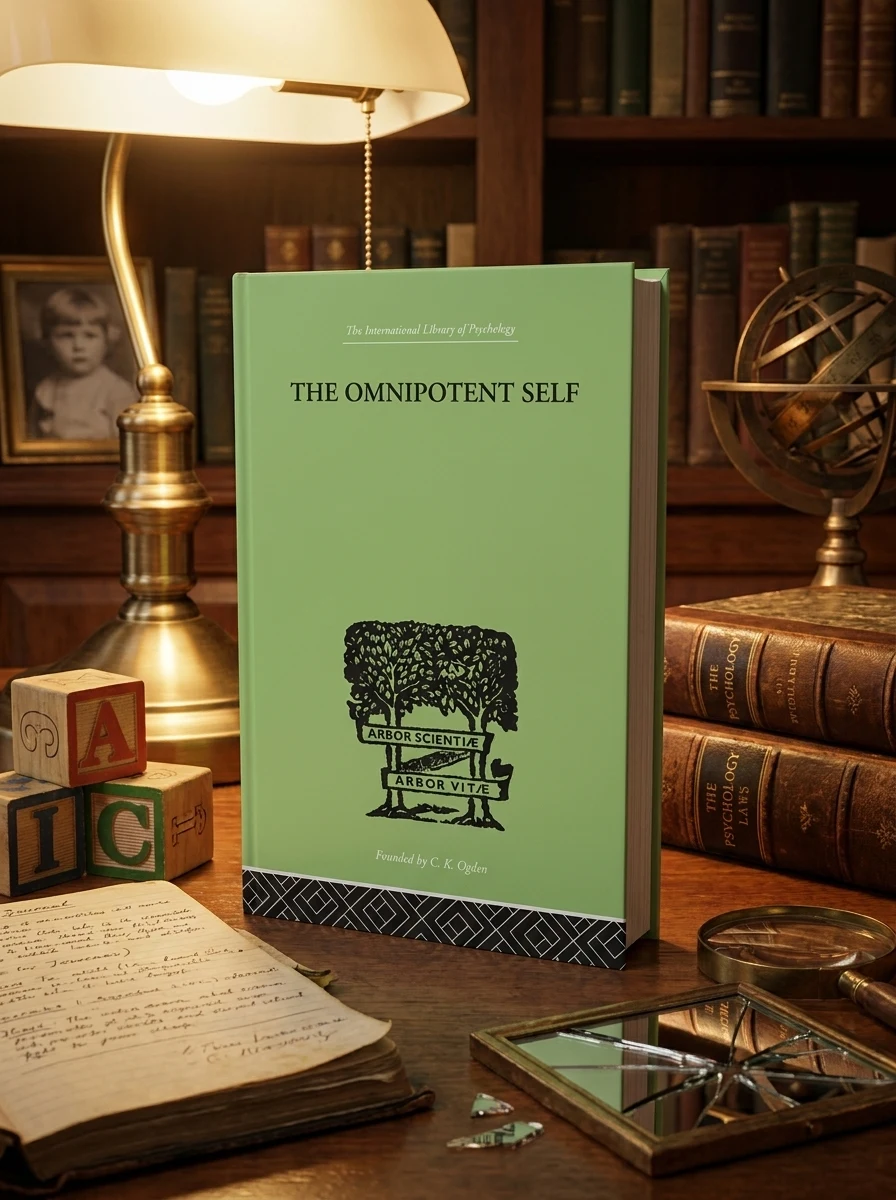
The Omnipotent Self: A Study in Self-Deception and Self-Cure
Stock reported in the catalog; fulfillment is confirmed with your request.
Unmask the subtle origins of self-deception and unlock pathways to genuine self-cure.
Originally penned in 1923, Paul Bousfield's "The Omnipotent Self" delves into the intricate psychological mechanisms of self-deception and the potential for self-healing. As Volume III in an esteemed psychoanalysis series, this foundational text explores how our early childhood experiences and parental interactions profoundly shape our self-perception, often leading to illusory grandiosity and defensive behaviors. Bousfield offers a meticulous examination of these formative influences, providing invaluable insights for understanding the roots of our inner conflicts and suggesting avenues for cultivating a more authentic self, free from the bonds of self-imposed illusion.
Published in 1923 as Volume III of a psychoanalysis series, this work sits at the intersection of early twentieth-century depth psychology and esoteric philosophy. It reflects the era's growing interest in the structural dynamics of the mind and the therapeutic potential of uncovering hidden psychological truths.


📝 Description: The Omnipotent Self: A Study in Self-Deception and Self-Cure
💎 Expert review
📖 Why choose it
Why this book is worth reading
This text is essential for seekers who feel trapped by their own defensive narratives and wish to understand the roots of their inner conflicts. Readers drawn to the intersection of psychology and spiritual growth will find profound value in Bousfield’s meticulous examination of how early childhood experiences shape our self-perception. It offers a compassionate yet rigorous map for untangling the knots of illusory grandiosity, providing genuine pathways to self-healing. Those ready to confront the subtle mechanisms of self-deception will gain invaluable insights into cultivating an authentic self, free from the bonds of self-imposed illusion and defensive behaviors.
⭐ Reader reviews
Reader rating
Bousfield delivers a dense, foundational analysis of the psyche’s protective illusions, making it a vital resource for serious students of psychoanalysis. However, readers seeking quick fixes, light self-help anecdotes, or straightforward spiritual platitudes will find this volume frustratingly abstract and psychologically rigorous. It demands patience and a willingness to engage with complex theoretical frameworks regarding parental influence and early development. While intellectually stimulating for those committed to deep introspection, it may alienate casual browsers looking for accessible, narrative-driven personal growth guides rather than a structured study in psychological mechanics.
❓ Frequently asked questions
📖 Who should read this
If you're a student of early psychoanalysis, a therapist seeking historical context, or simply someone fascinated by the deeper roots of human psychology and the often-unseen forces shaping our inner lives, this book offers profound insights into the self.
🎯 Key themes and symbolism
The Omnipotent Self
Bousfield meticulously unpacks the concept of the 'omnipotent self,' a psychological state often rooted in infantile grandiosity. He explores how this early developmental phase, when unchecked, can manifest as persistent self-deception in adulthood, leading individuals to construct elaborate internal narratives that shield them from uncomfortable truths and foster an unrealistic perception of their own capabilities and influence.
Mechanisms of Self-Deception
This work deeply investigates the various psychological strategies individuals employ to deceive themselves. Bousfield details how the mind creates defenses, rationalizations, and selective perceptions to maintain a preferred, often distorted, view of reality. Understanding these intricate mechanisms is presented as the crucial first step toward dismantling them and achieving greater self-awareness and psychological integration.
Impact of Early Childhood
A cornerstone of Bousfield's analysis is the profound influence of early childhood development, particularly parental guidance, on the formation of the self. He argues that specific upbringing patterns can inadvertently sow the seeds of self-deception, encouraging children to adopt unrealistic self-images. The book offers critical reflections for parents and educators on fostering environments that promote genuine self-awareness over illusory confidence.
💬 Quotes from the book
“The individual, clinging to the vestiges of an infantile omnipotence, constructs a reality more palatable than true introspection allows.”
“True psychological healing begins not with external remedies, but with the courageous dismantling of the self-imposed illusions that bind us.”
📜 Historical context
📚 Glossary
- Omnipotent Self
- Self-Deception
- Self-Cure
📔 Questions to reflect on
- Reflect on a time when you realized you had been deceiving yourself about a personal truth. What were the underlying reasons for this self-deception?
- Consider your own childhood experiences. Can you identify any patterns or parental influences that might have fostered an 'omnipotent self' or encouraged certain forms of self-protection?
- In what areas of your life might you still be avoiding discomforting truths? What steps could you take to dismantle these illusions and embrace a more authentic reality?
🏛 Books from this publisher Routledge
All books from this publisher →



 89
89


You might also like
See more →
 91
91
 91
91