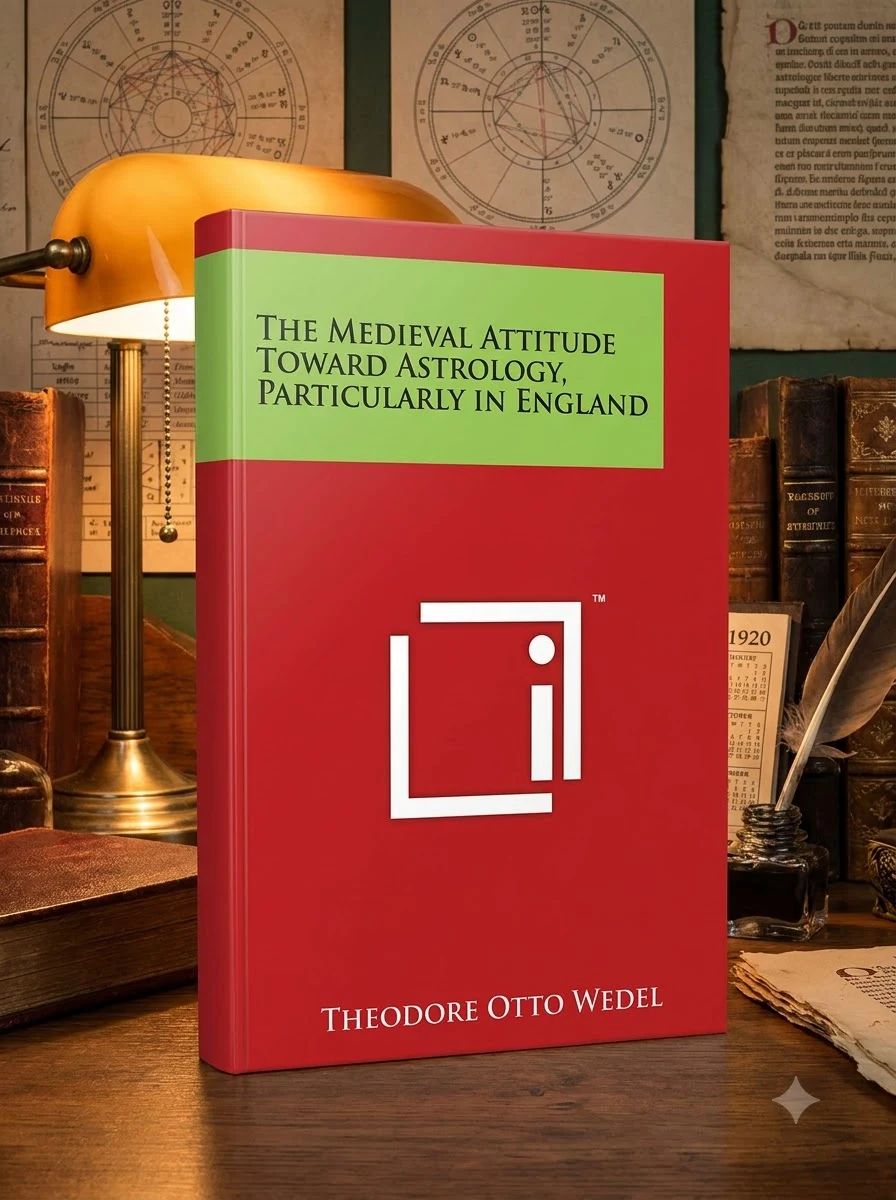
The Medieval Attitude Toward Astrology, Particularly in England
Wedel, Theodore OttoStock reported in the catalog; fulfillment is confirmed with your request.
Uncover the celestial influences that shaped medieval English minds and destinies.
This seminal work meticulously unpacks the complex and pervasive role of astrology within medieval England. Far from a fringe belief, Wedel reveals how astrological principles permeated intellectual, religious, and daily life, influencing everything from medicine and politics to personal choices. This isn't a guide to practicing astrology, but rather a rigorous historical and literary analysis, exploring the philosophical debates, societal acceptance, and theological challenges posed by the stars' perceived power during this fascinating era. It offers a crucial lens through which to understand the medieval worldview.
This work situates itself within the rigorous study of medieval intellectual history, specifically examining how celestial beliefs were woven into the fabric of English society rather than existing as mere superstition.


📝 Description: The Medieval Attitude Toward Astrology, Particularly in England
💎 Expert review
📖 Why choose it
Why this book is worth reading
Scholars and history enthusiasts who seek to understand the medieval worldview will find this book indispensable. It moves beyond the stereotype of astrology as fringe belief, revealing its central role in medicine, politics, and daily decision-making. Readers interested in the intersection of theology and astronomy will appreciate Wedel’s meticulous unpacking of philosophical debates. It offers a crucial lens for understanding how celestial influences shaped destinies and intellectual life in medieval England, providing depth to any study of that era's cultural and religious landscape.
⭐ Reader reviews
Reader rating
This is a rigorous historical and literary analysis, not a practical guide for practitioners. While it successfully illuminates the pervasive nature of astrological principles in medieval England, its academic tone may alienate casual readers seeking accessible narratives or divinatory advice. It is best suited for those with an existing interest in intellectual history or theology who are prepared for dense textual exploration. Those looking for simple interpretations of star charts will find little utility here, as the focus remains firmly on societal acceptance and theological challenges rather than instructional content.
❓ Frequently asked questions
📖 Who should read this
If you're captivated by the intersection of science, spirituality, and historical thought in the Middle Ages, or curious about the intellectual underpinnings of pre-modern cosmic worldviews, this scholarly work offers profound insights. It's a must for students of medieval history, literary studies, and the history of science.
🎯 Key themes and symbolism
Astrology's Cultural Pervasiveness
Explore how astrological thought was woven into the fabric of medieval English society, impacting decision-making in medicine, governance, and daily life. This book illuminates the extent to which celestial observations informed societal structures and individual beliefs, moving beyond simple superstition to a deeply integrated system of understanding.
Theological & Philosophical Debates
Delve into the intricate intellectual struggle between Christian doctrine and astrological determinism. Wedel examines how medieval thinkers grappled with reconciling divine omnipotence and human free will with the apparent influence of the stars, revealing the nuanced positions taken by scholars and religious authorities of the time.
English Specifics in Practice
Understand the particular manifestations and adaptations of astrology within England. The book highlights unique aspects of how astrological knowledge was disseminated, interpreted, and utilized by various social strata, offering insights into the local character of this universal medieval science.
💬 Quotes from the book
“The celestial spheres, far from being mere distant lights, were seen as an intricate tapestry of divine influence, meticulously charting the potentials and pitfalls of earthly existence.”
“For the medieval scholar, the challenge lay not in denying the stars' power, but in reconciling their apparent determinism with the tenets of free will and divine omnipotence.”
📜 Historical context
📚 Glossary
- Astrology
- Determinism
- Cosmology
📔 Questions to reflect on
- How might our modern understanding of personal responsibility and free will differ if societal beliefs still embraced astrological determinism?
- Consider a contemporary 'scientific' or popular belief that might be viewed as esoteric or superstitious by future generations. What parallels can you draw with medieval astrology?
- If you lived in medieval England, how might astrological prognostication influence your daily decisions, from health to marriage to travel?
✍️ More books by this author Wedel, Theodore Otto
All books by this author →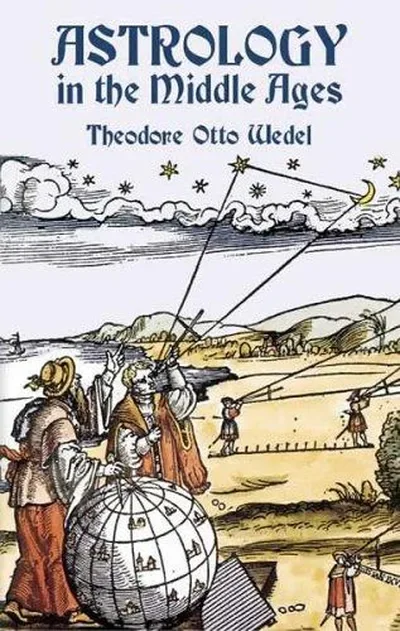
🏛 Books from this publisher Literary Licensing, LLC
All books from this publisher →
 82
82
 86
86
 82
82

You might also like
See more →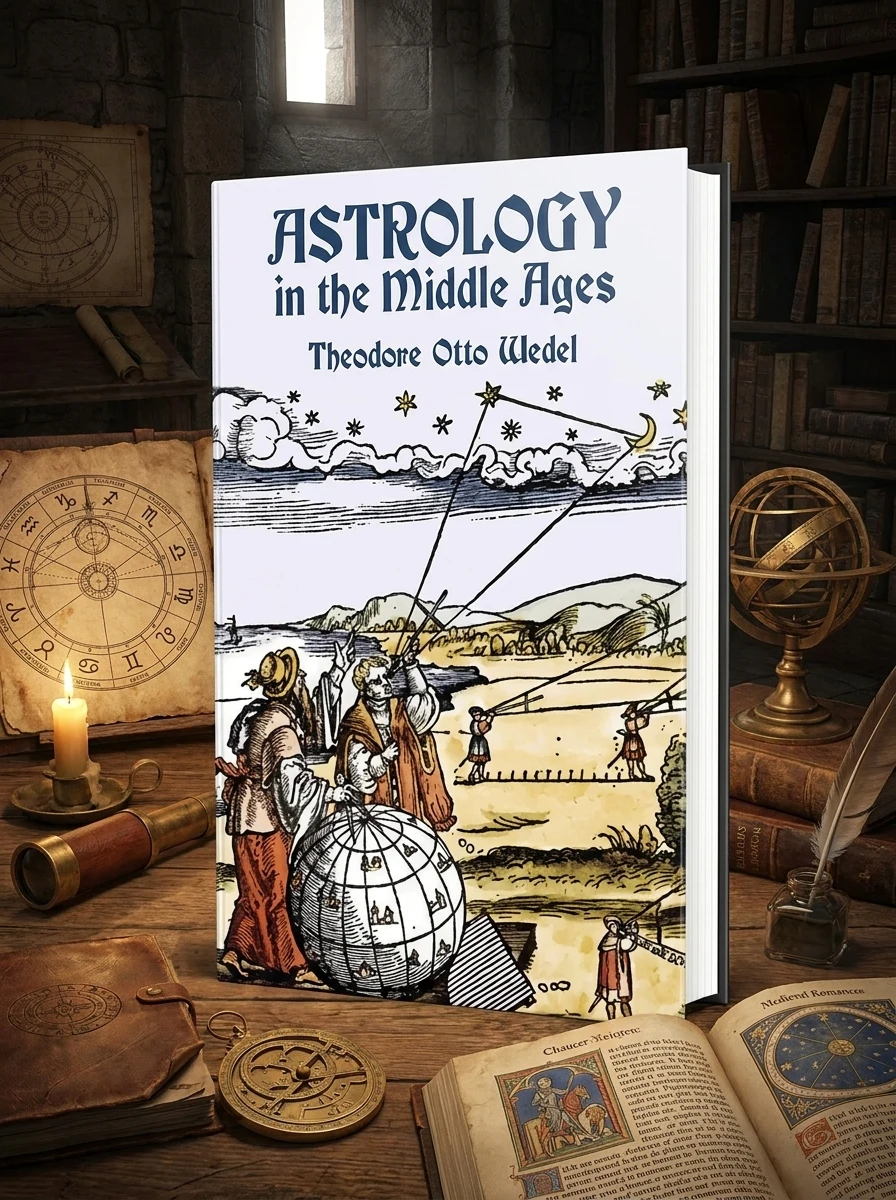
 89
89