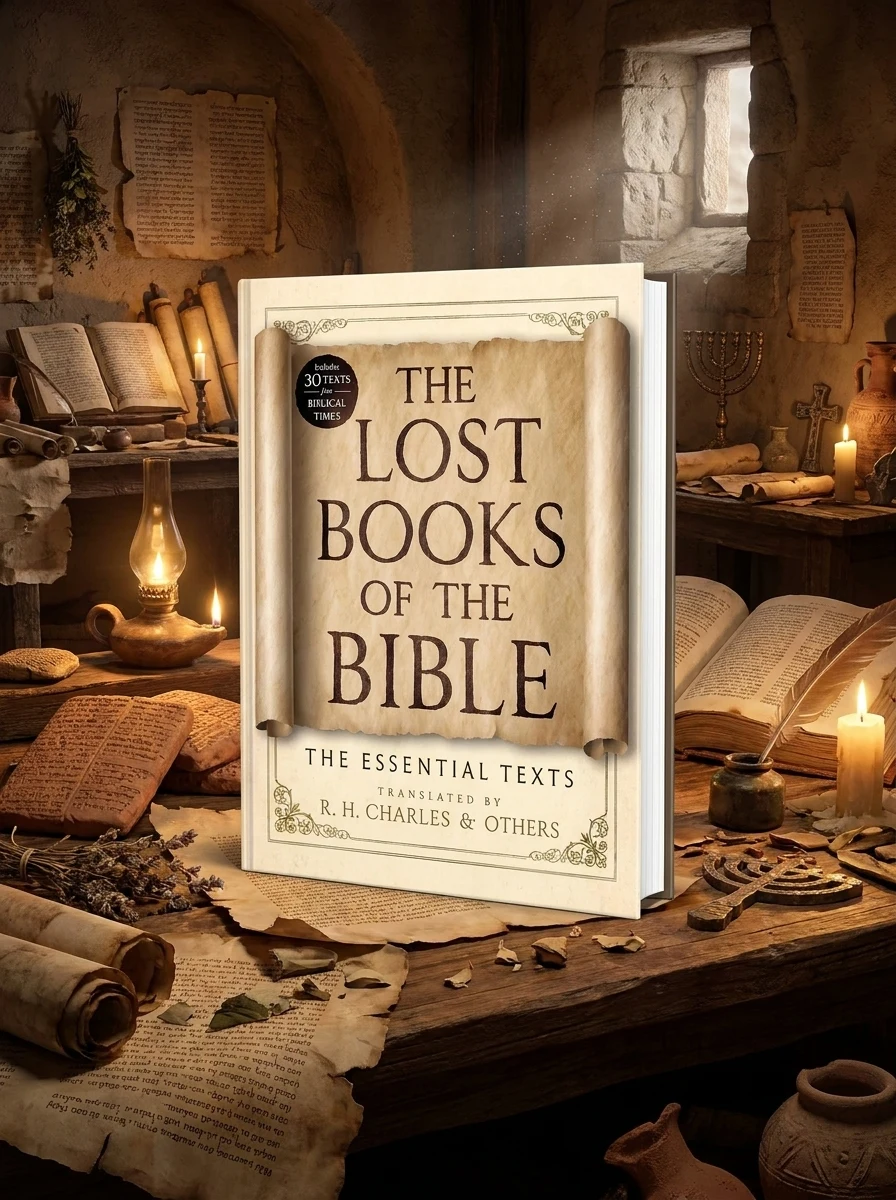
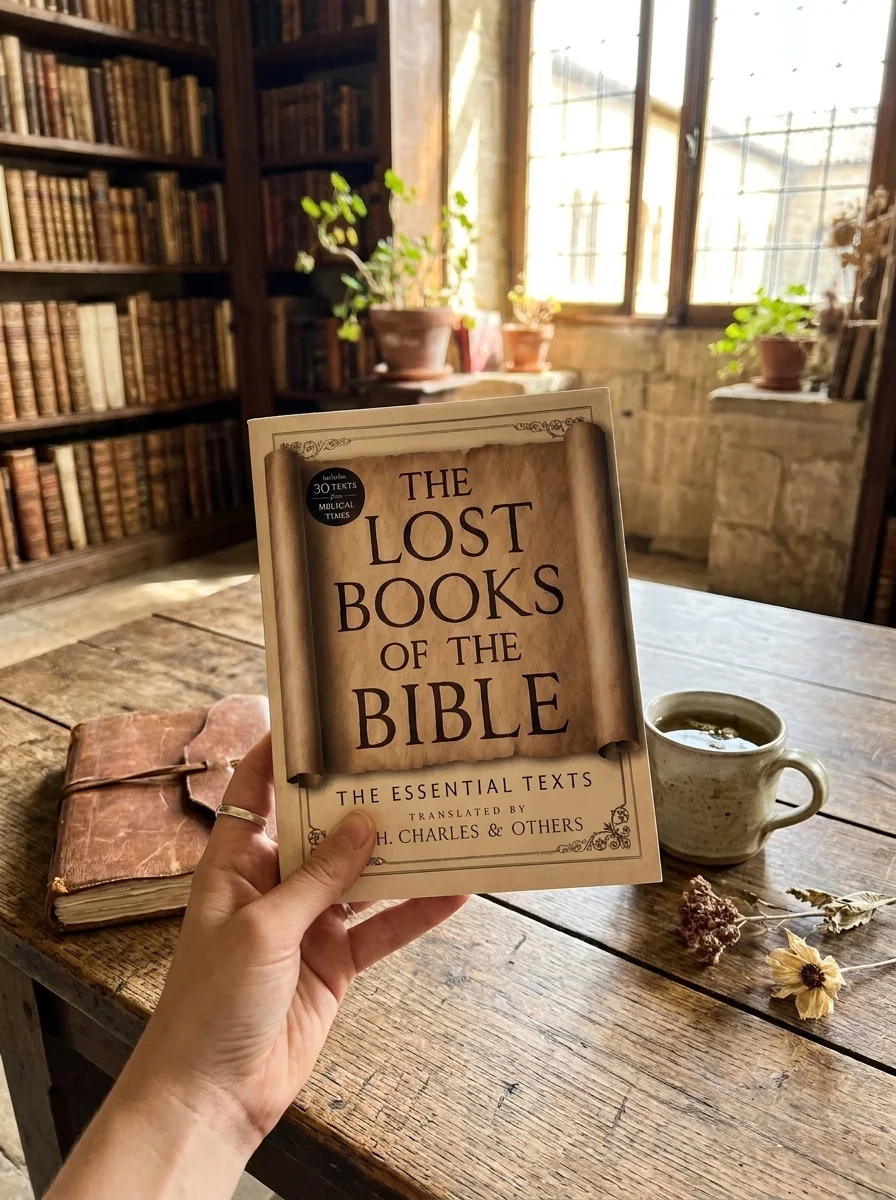
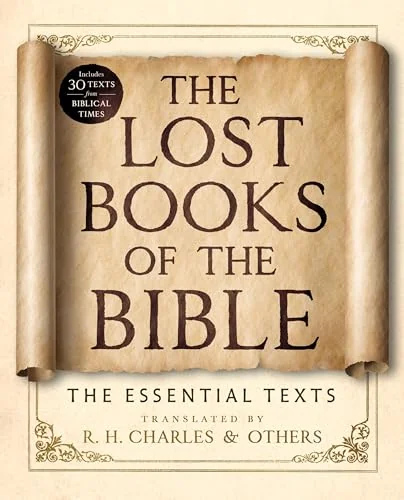
The Lost Books of the Bible: The Essential Texts
✍️ Charles, R HThis compelling collection unveils the significant religious writings that, despite their profound influence on early faith and culture, were excluded from the official biblical canon. Carefully compiled from trusted public domain translations, it presents a diverse range of texts—from heroic narratives and profound wisdom literature to dramatic apocalyptic visions. Readers will gain invaluable insight into the spiritual landscape that molded ancient Judaism and nascent Christianity, offering a broader, more nuanced understanding of scriptural history and the enduring power of these once-hidden narratives.


📝 Description: The Lost Books of the Bible: The Essential Texts
💎 Expert review
📖 Why choose it
Why this book is worth reading
Readers deeply curious about the spiritual landscape that molded ancient faiths will find immense value in this curated collection. It offers a broader, nuanced understanding of scriptural history by unveiling forgotten sagas and profound wisdom literature that shaped sacred thought for millennia. By presenting these diverse texts—from heroic narratives to dramatic apocalyptic visions—through trusted public domain translations, the book allows enthusiasts to grasp the enduring power of once-hidden narratives. It is ideal for those seeking to move beyond familiar pages and uncover the significant religious writings that influenced early culture and belief systems without the barrier of obscure academic jargon.
⭐ Reader reviews
Reader rating
This compilation serves as an accessible gateway into the world of excluded biblical texts, carefully assembled from reliable public domain sources. It succeeds in providing a diverse range of materials, including heroic narratives and apocalyptic visions, which helps readers appreciate the complexity of ancient religious thought. However, it may not suit scholars seeking rigorous critical analysis or those expecting newly discovered manuscripts rather than established translations. Additionally, readers looking for a strictly orthodox theological perspective might find the inclusion of non-canonical works disorienting. For general enthusiasts and students of comparative religion, however, it remains a vital resource for understanding the broader context of sacred history.
❓ Frequently asked questions
📖 Who should read this
If you're a seeker of hidden knowledge, a student of religious history, or simply curious about the broader spiritual currents that flowed alongside and influenced canonical scripture, this collection offers an accessible entry point. Prepare to journey beyond the familiar and uncover a forgotten world of wisdom and wonder.
🎯 Key themes and symbolism
Uncanonical Sacred Texts
This volume meticulously gathers writings considered sacred by many ancient communities but ultimately omitted from the finalized biblical canon. It explores why these texts were valued, their spiritual impact, and the fascinating reasons for their eventual exclusion from mainstream scripture, inviting readers to reconsider the boundaries of sacred literature.
Influencing Early Faith
The collection demonstrates how these "lost books" profoundly shaped the theological perspectives, ethical frameworks, and imaginative landscape of early Jewish and Christian thought. It reveals their significant role in the development of doctrines and beliefs that are still recognizable today, showcasing their lasting, albeit often unacknowledged, legacy.
Historical & Cultural Context
By presenting these often-overlooked works, the book illuminates the rich, complex spiritual and literary environment of antiquity. It provides a window into the hopes, struggles, and diverse expressions of faith from communities spanning centuries, offering a fuller picture of biblical-era society and the traditions that informed it.
📜 Historical context
📚 Glossary
- Apocrypha
- Deuterocanonical
- Biblical Canon
📔 Questions to reflect on
- How might the inclusion of these "lost" texts have altered the course of religious thought or personal spirituality if they had remained universally canonical?
- Consider a canonical biblical story or theme. How do the perspectives offered by these uncanonical texts deepen or challenge your understanding of it?
- What does the existence of these diverse, yet excluded, sacred writings reveal about the historical process of canon formation and its impact on religious traditions?