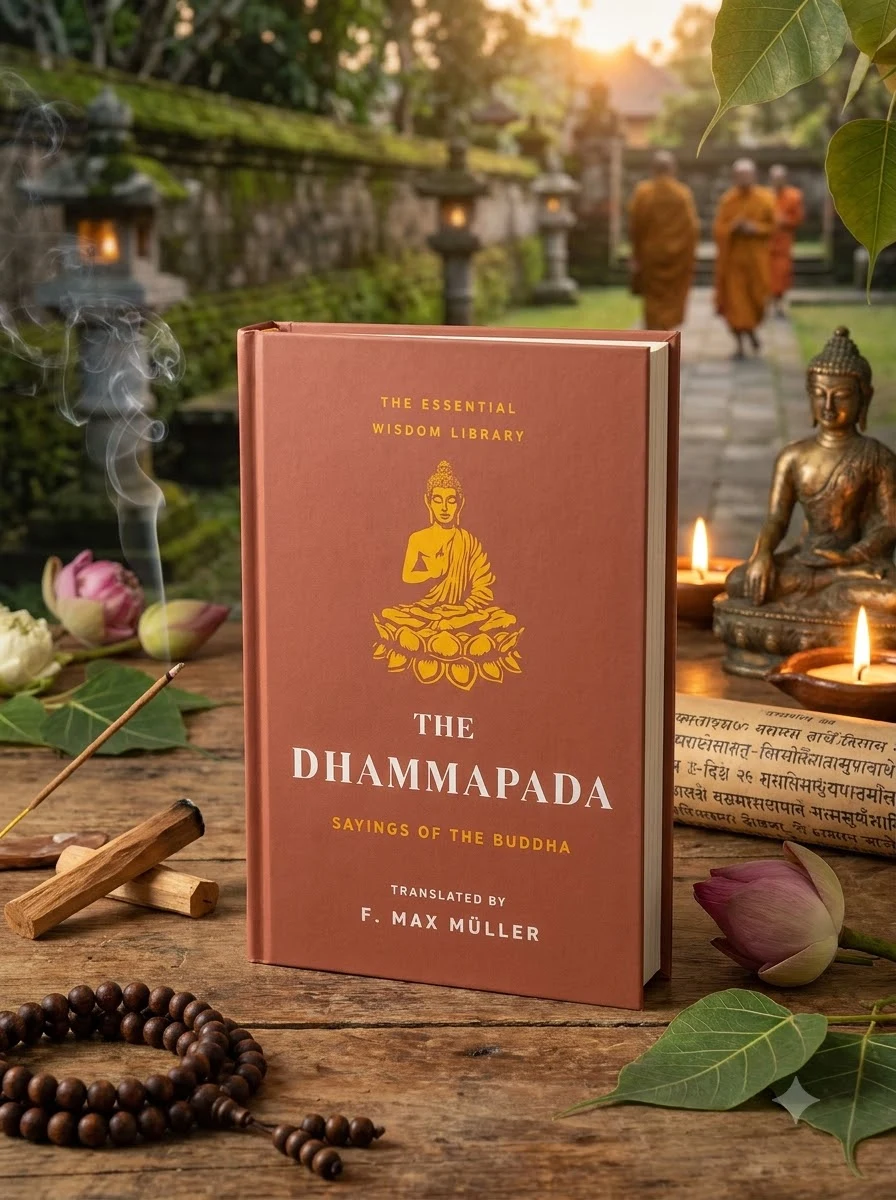
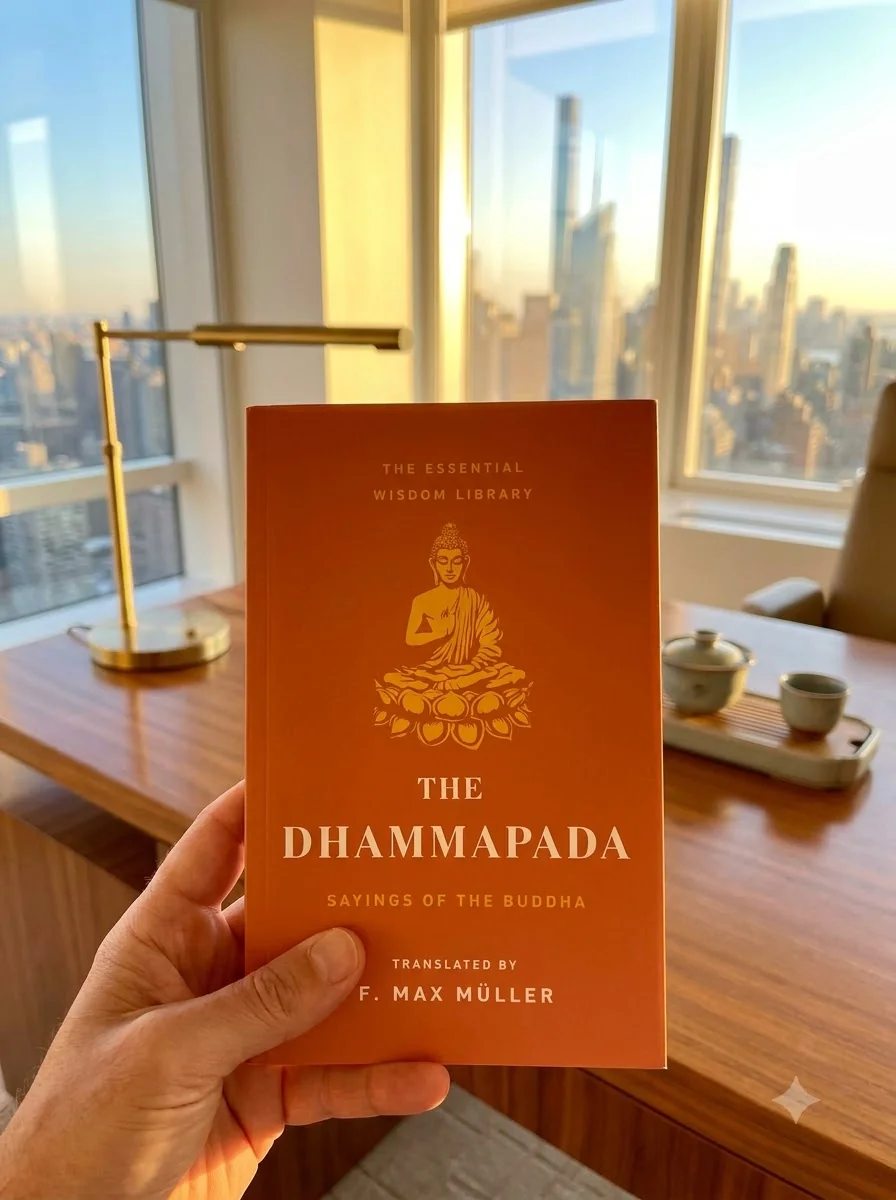
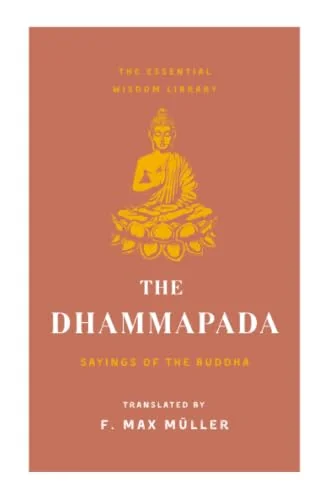
The Dhammapada: Sayings of the Buddha (Essential Wisdom Library)
A modern paperback translation of traditional Buddha sayings compiled by philologist F. Max Müller.
This Essential Wisdom Library edition offers a direct translation of classic Buddhist scripture. F. Max Müller, an early scholar of Indian religions and language, rendered these traditional oral verses into English. The collection focuses on core spiritual topics such as Happiness, Old Age, Thought, and The Way. Readers receive simple guidance drawn directly from early religious tradition, making the text useful for students of Asian philosophy and sacred writings.
Originating from ancient Buddhist tradition, these verses were preserved through oral transmission over centuries. German-born philologist F. Max Müller later translated the texts during his academic career in the United Kingdom.


📝 Description: The Dhammapada: Sayings of the Buddha (Essential Wisdom Library)
💎 Expert review
📖 Why choose it
Why this book is worth reading
Readers seeking a concise yet profound guide to inner peace will find this volume invaluable. It distills complex spiritual truths into direct, impactful insights regarding the nature of existence and the power of thought. Max Müller’s translation makes these ancient teachings accessible to contemporary seekers, illuminating subjects from pleasure to enlightenment. It is an essential companion for those aspiring to a more conscious life, offering timeless wisdom for navigating life's intricate path without overwhelming density.
⭐ Reader reviews
Reader rating
This collection serves as a beautiful primer on Buddhist ethics, presenting revered aphorisms in Max Müller’s esteemed translation. It illuminates the pursuit of inner peace with clarity and grace, making it an excellent entry point for newcomers to Eastern philosophy. However, it does not suit those seeking extensive historical commentary or rigorous academic analysis, as it focuses purely on the distilled sayings themselves. Readers looking for deep doctrinal debate may find the brevity limiting, but for direct spiritual guidance, it remains a potent and accessible tool for daily reflection.
❓ Frequently asked questions
📖 Who should read this
If you seek direct, profound spiritual wisdom unburdened by complex dogma, this classic is for you. It offers clarity and inspiration for anyone navigating life's challenges, aspiring to greater self-awareness, or simply desiring a deeper understanding of Buddhist principles.
🎯 Key themes and symbolism
Mastering Inner Thought
The Dhammapada places great emphasis on the mind's pivotal role in shaping our reality. It explores how our thoughts, intentions, and perceptions are the very architects of our experience, guiding readers to cultivate wholesome states of mind and transcend the mental patterns that perpetuate suffering, ultimately leading to greater clarity and tranquility.
Navigating Desire and Pleasure
This text offers profound insights into the nature of worldly attachments, desires, and the often fleeting pursuit of pleasure. It gently guides the reader to understand the impermanence of external gratifications and encourages a shift towards deeper, more enduring sources of contentment that arise from wisdom and inner liberation, rather than external conditions.
Embracing the Enlightened Way
More than just abstract philosophy, The Dhammapada provides practical guideposts for living an ethical and awakened life. It outlines the virtues and conduct necessary to walk the path of enlightenment, offering clear directives on compassion, mindfulness, and self-restraint as foundational elements for anyone aspiring to a truly spiritual existence.
📜 Historical context
📚 Glossary
- Dhammapada
- Buddha
- Enlightenment
📔 Questions to reflect on
- Reflect on a recent challenge in your life. How did your thoughts and perceptions contribute to your experience of it?
- Consider an area where you seek happiness. Is your pursuit rooted in fleeting external conditions or a deeper, internal understanding?
- What single, small act of compassion or mindfulness could you integrate into your day to walk a more enlightened path?