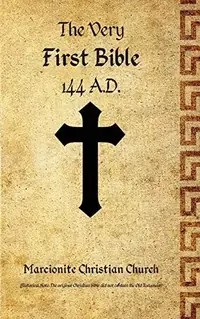
The Very First Bible


Stock reported in the catalog; fulfillment is confirmed with your request.
Unearth the foundational scripture that predates all others.
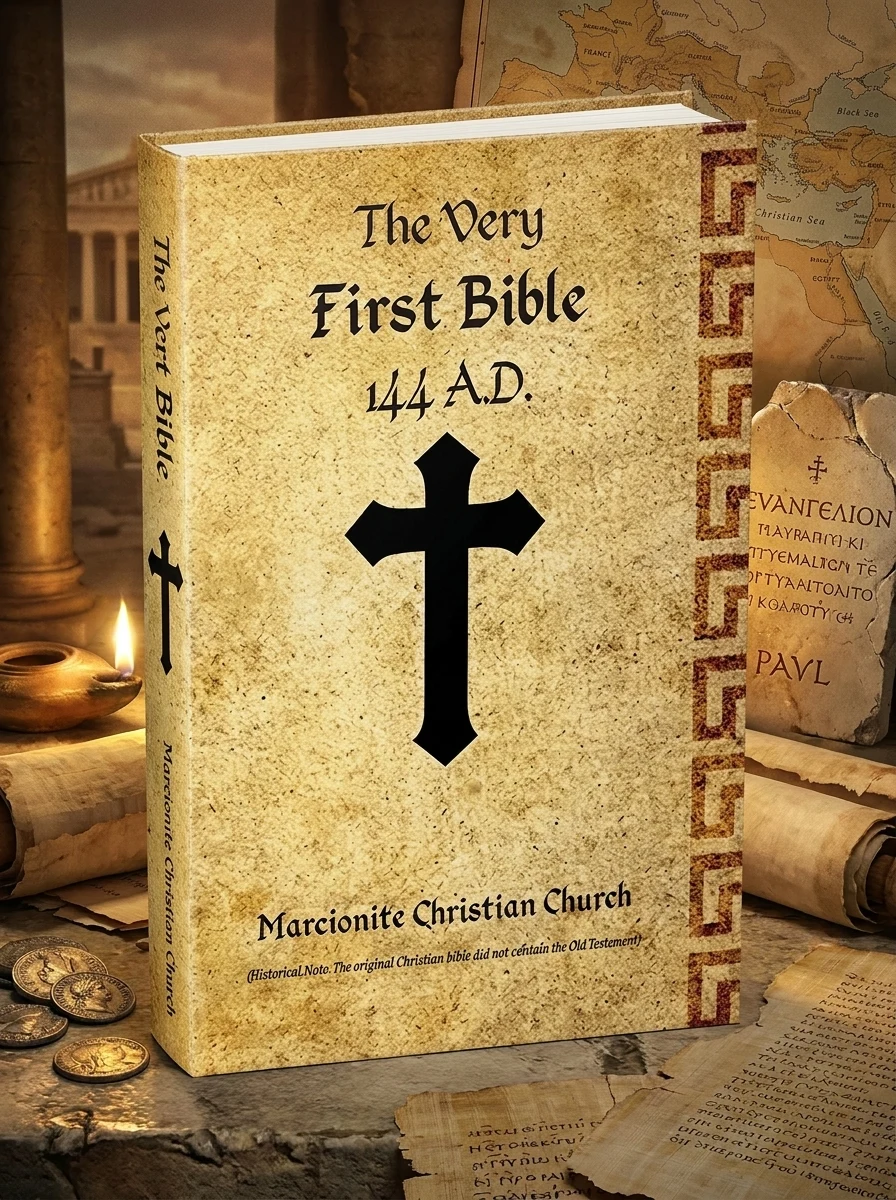
Marcion's "Very First Bible" presents a radical early Christian canon from 144 A.D. This meticulously reassembled text showcases the original "Gospel of the Lord" alongside a select collection of Pauline epistles, forming the "Apostolikon." It offers a stark contrast to later, expanded scriptural traditions, revealing what one influential early Christian deemed essential for faith. This edition invites readers to engage with the bedrock of early Christian thought, free from subsequent additions, providing a unique lens into the nascent stages of Christian scripture.
This text represents a radical early Christian canon from the second century, challenging the development of later orthodox traditions by presenting a distinct theological perspective on faith and scripture.


📝 Description: The Very First Bible
💎 Expert review
📖 Why choose it
Why this book is worth reading
Readers fascinated by the complex origins of Christian scripture will find this volume essential for understanding the diverse landscape of early religious thought. It offers a unique opportunity to engage with what one influential figure deemed the core of faith, stripped of later expansions. Those interested in the evolution of theological canons and the historical debates surrounding biblical authority will appreciate this meticulous reassembly. It provides a rare glimpse into the nascent stages of Christian scripture, allowing for a direct comparison between early radical views and subsequent traditions. This edition serves as a vital resource for anyone seeking to comprehend the foundational arguments that shaped the religious landscape of antiquity.
⭐ Reader reviews
Reader rating
This work is a significant historical artifact for scholars and enthusiasts of early Christianity, offering a stark contrast to expanded scriptural traditions. However, it may not suit readers seeking traditional orthodox narratives or those uninterested in the theological controversies of the second century. The text demands a willingness to engage with radical interpretations that diverge significantly from later established canons. While intellectually stimulating for those tracing the bedrock of Christian thought, it lacks the narrative continuity expected by casual readers of standard biblical history. It is best approached as a specialized study in religious development rather than a devotional guide.
❓ Frequently asked questions
📖 Who should read this
If you question established dogma or seek the unvarnished roots of Christian belief, this volume is essential. Scholars, spiritual seekers, and anyone fascinated by textual history will find Marcion's controversial canon a profoundly illuminating read, inviting critical re-evaluation of canonical formation.
🎯 Key themes and symbolism
Marcion's Radical Canon
Explores the starkly different scriptural collection assembled by Marcion in 144 AD. Unlike later, expansive Bibles, this work presents a streamlined vision, emphasizing a singular gospel and ten Pauline letters, challenging conventional understandings of early Christian scripture and its evolution and the broader Christian narrative.
Pauline Primacy
Delves into the profound significance Marcion placed on the Apostle Paul's teachings, presenting his epistles as the cornerstone of true Christian understanding. This collection highlights Paul's unique revelation of Christ, often distinct from other apostolic narratives, as the authentic gospel message, unadulterated by other influences.
Textual Revelation
Acts as a critical lens to discern the progressive additions and editorial shifts within the Christian scriptural tradition. By juxtaposing this earliest known canon against modern Bibles, readers can trace the expansion from its initial form to the comprehensive texts we recognize today, revealing the historical alterations and expansions.
💬 Quotes from the book
“"But I certify you, brethren, that the gospel which was preached of me is not after man. For I neither received it of man, but by the revelation of Jesus Christ."”
“allowing us to see which scriptures were edited and added as it ballooned from one gospel and ten books into 73 books and four gospels over time.”
📜 Historical context
📚 Glossary
- Evangelion
- Apostolikon
- Marcion of Sinope
📔 Questions to reflect on
- How does Marcion's selective canon challenge your preconceived notions about the origins and authority of Christian scripture, and what new questions does it raise?
- Considering Paul's emphasis on direct revelation, what implications does this have for how we understand religious authority and textual interpretation in contemporary spiritual practices?
- If the "first Bible" looked so different, what does that suggest about the process of canonization, the fluidity of early religious traditions, and the forces that shaped later scriptural choices?
You might also like
See more →