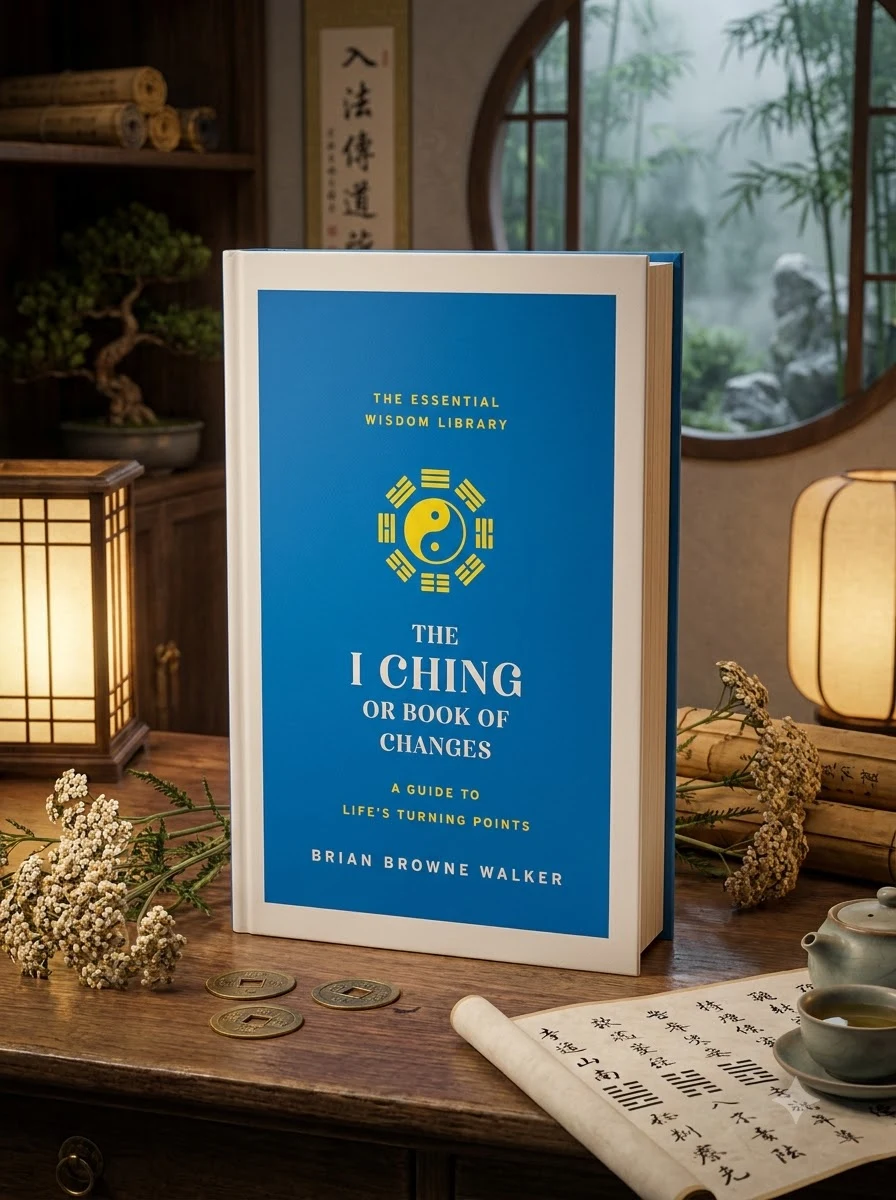
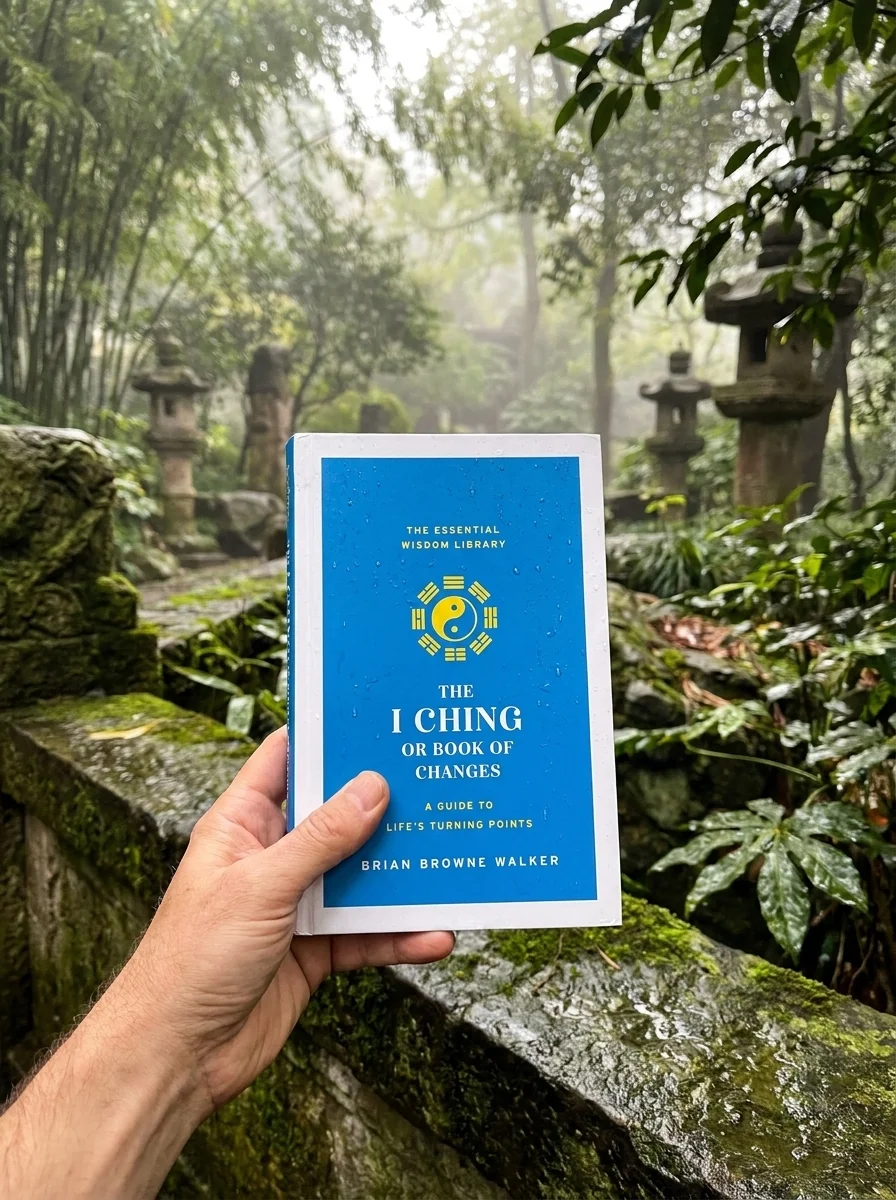
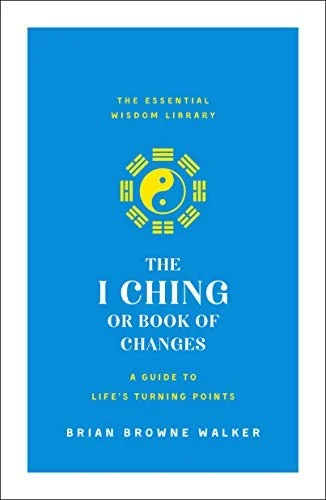
The I Ching or Book of Changes: A Guide to Life's Turning Points: The Essential Wisdom Library
A contemporary English translation of the classic Chinese oracular text of Taoist wisdom.
This volume offers a clear rendition of the Book of Changes, designed for daily hexagram casting and personal guidance. Rooted in traditional Chinese philosophy, the text translates ancient Taoist principles into accessible language. Author Brian Browne Walker applies his experience with Eastern spiritual disciplines to present practical instruction for life's turning points. The work focuses on cultivated values that encourage personal balance, sincere reflection, and good fortune through regular consultation.
This work sits within the tradition of ancient Chinese philosophy and Taoist spiritual disciplines. As a foundational classic text, its practices center on consulting hexagrams to understand balance and personal fortune.


📝 Description: The I Ching or Book of Changes: A Guide to Life's Turning Points: The Essential Wisdom Library
💎 Expert review
📖 Why choose it
Why this book is worth reading
Readers seeking clarity amidst life's complexities will find this volume an indispensable companion. Brian Browne Walker’s acclaimed translation makes the profound depths of the I Ching remarkably accessible, allowing modern seekers to apply its timeless principles of harmony and change to contemporary challenges. Whether you desire daily inspiration or profound insight during critical turning points, this book dynamically reinforces values essential for personal well-being and genuine prosperity. It serves not merely as a divination tool but as a potent guide fostering inner equilibrium, ensuring that ancient wisdom remains palpable and relevant for those navigating their own life's currents with intention and grace.
⭐ Reader reviews
Reader rating
This edition successfully bridges the gap between ancient Taoist philosophy and modern application, offering unparalleled perspective on life's turning points. Walker’s accessible translation ensures the text is engaging rather than arcane, making it a strong entry point for newcomers to esoteric studies. However, readers seeking rigorous academic analysis or traditional scholarly commentary may find this approach too simplified. It is best suited for those prioritizing practical spiritual guidance over historical minutiae. While it lacks deep exegetical depth, its strength lies in its immediate usability for personal reflection and decision-making, providing a warm, inviting entry into the Book of Changes for the general occult enthusiast.
❓ Frequently asked questions
📖 Who should read this
If you're seeking profound insight, a practical guide for navigating life's choices, or a deeper connection to ancient wisdom, this book is for you. It's ideal for those ready to embrace self-reflection and integrate timeless philosophical principles into their daily existence.
🎯 Key themes and symbolism
Guidance & Transformation
The I Ching is presented not as a rigid prophecy, but as a dynamic mirror reflecting life's ever-shifting patterns. It offers a framework for understanding and navigating change, guiding the reader toward thoughtful action rather than passive acceptance. The casting of a hexagram becomes a meditative act, opening doors to deeper self-awareness and informed decision-making in any circumstance.
Taoist Principles
Rooted deeply in Taoist philosophy, this work emphasizes the interconnectedness of all things and the importance of balance. It encourages an understanding of opposing forces—Yin and Yang—as complementary energies. Through its teachings, readers learn to align themselves with the natural flow of existence, cultivating a harmonious relationship with their environment and inner self, leading to greater peace.
Personal Cultivation
More than an oracle, the I Ching acts as a spiritual mentor, guiding adherents toward a path of continuous personal growth. By reflecting on its counsel with sincerity, individuals can develop virtues like patience, resilience, and wisdom. This leads to a richer, more balanced life, where challenges are seen as opportunities for development and good fortune is cultivated through mindful living.
📜 Historical context
📚 Glossary
- I Ching
- Hexagram
- Tao
📔 Questions to reflect on
- Consider a recent significant decision you faced. How might consulting the I Ching, focused on understanding the 'change' inherent in the situation, have altered your perspective or approach?
- Reflect on areas of your life where you feel out of balance. What 'changing lines' or subtle shifts could you initiate to restore harmony, guided by principles of the I Ching?
- How does the concept of 'good fortune' in the I Ching—often tied to alignment with natural forces and ethical conduct—differ from your personal definition, and what insights does this offer?