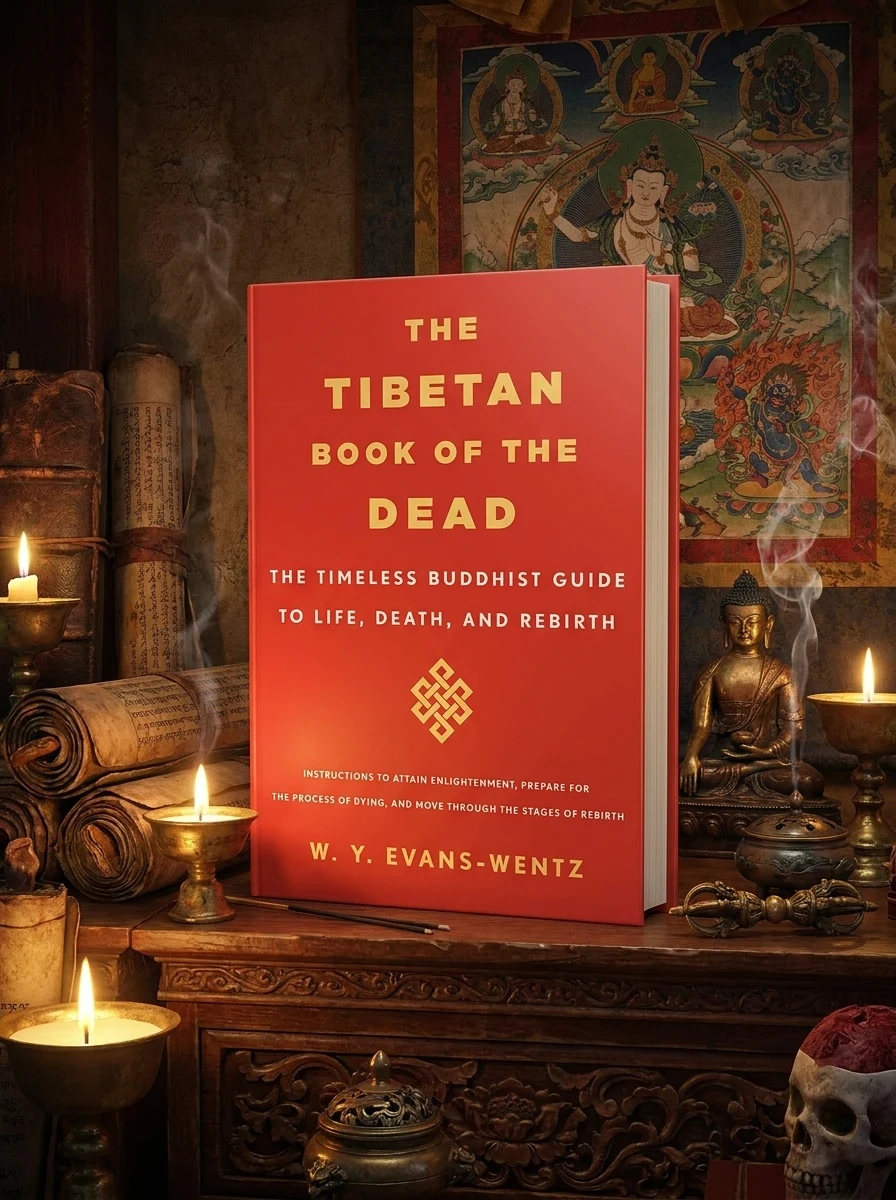
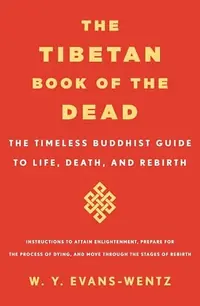
The Tibetan Book of the Dead: The Timeless Buddhist Guide to Life, Death, and Rebirth
Stock reported in the catalog; fulfillment is confirmed with your request.
Navigate life's ultimate transitions with this ancient guide to the afterlife.
Originally penned by an ancient Buddhist teacher in the eighth century, this seminal work serves as a comprehensive spiritual manual. It offers profound insights and practical guidance for those seeking to achieve spiritual liberation, consciously prepare for the intricate process of dying, and understand the cyclical journey of rebirth. Translated into English by the esteemed anthropologist W. Y. Evans-Wentz in 1927, this edition unveils the timeless wisdom of Tibetan Buddhism, making its esoteric teachings accessible to a contemporary audience. It remains an essential text for navigating the deepest mysteries of existence.
Rooted in eighth-century Tibetan Buddhist tradition, this text serves as a seminal spiritual manual for understanding the afterlife and rebirth. It was brought to Western audiences through W. Y. Evans-Wentz's influential 1927 translation, bridging ancient esoteric teachings with contemporary readers.


📝 Description: The Tibetan Book of the Dead: The Timeless Buddhist Guide to Life, Death, and Rebirth
💎 Expert review
📖 Why choose it
Why this book is worth reading
This book is ideal for seekers eager to navigate life's ultimate transitions with profound clarity. Those wishing to consciously prepare for the intricate process of dying will find immense comfort in its practical guidance. It appeals to anyone seeking spiritual liberation and a deeper understanding of the cyclical journey of rebirth. Readers who value timeless wisdom accessible through a modern lens will appreciate how it unveils esoteric teachings. It offers essential insights for confronting the deepest mysteries of existence, providing a roadmap for both life and death that transcends mere academic interest.
⭐ Reader reviews
Reader rating
Evans-Wentz’s translation remains a vital entry point into Tibetan Buddhist philosophy, offering clear access to complex esoteric concepts. However, it is not suited for readers seeking quick fixes or literal scientific explanations of consciousness. Those uncomfortable with non-Western metaphysical frameworks or dense anthropological context may find the material abstract and difficult to integrate. It requires patience and an open mind to appreciate its spiritual depth rather than expecting narrative plot or immediate practical utility. This is a serious text for contemplation, not casual reading.
❓ Frequently asked questions
📖 Who should read this
If you are drawn to exploring the profound mysteries of existence, the nature of consciousness, or ancient spiritual traditions, this book is for you. It offers invaluable wisdom for anyone seeking a deeper understanding of life, death, and the journey of the soul.
🎯 Key themes and symbolism
Conscious Dying
This text provides detailed instructions for maintaining awareness and lucidity during the dissolution of the body and mind. It guides the individual through the various stages of the dying process, emphasizing recognition of the clear light of reality to facilitate a peaceful and purposeful transition rather than succumbing to fear or confusion.
Spiritual Liberation
At its core, the book is a roadmap to enlightenment, offering methods to transcend the cycle of suffering and rebirth. It teaches how to recognize the true nature of mind and reality, allowing the individual to break free from karmic patterns and attain a state of ultimate spiritual freedom, even amidst the most profound transformations.
The Bardo States
The work meticulously describes the intermediate states between death and rebirth, known as the Bardos. It demystifies the visions, sounds, and experiences encountered, providing a framework for understanding these phenomena not as external entities, but as projections of one's own consciousness, thereby empowering the individual to navigate them with wisdom.
💬 Quotes from the book
“When the breath ceases, let your mind remain unwavering, recognizing the clear light of reality as your true nature.”
“Do not fear the apparitions of the Bardo; they are but reflections of your own mind's projections, not external demons.”
📜 Historical context
📚 Glossary
- Bardo
- Samsara
- Enlightenment
📔 Questions to reflect on
- How might a deeper understanding of the dying process transform your approach to living?
- Consider your own impermanence. What spiritual preparations do you feel drawn to make in this life?
- How do the concepts of karma and rebirth, as presented in this text, resonate with your personal worldview or spiritual beliefs?
🏛 Books from this publisher St. Martin's Essentials
All books from this publisher →
You might also like
See more →
 90
90