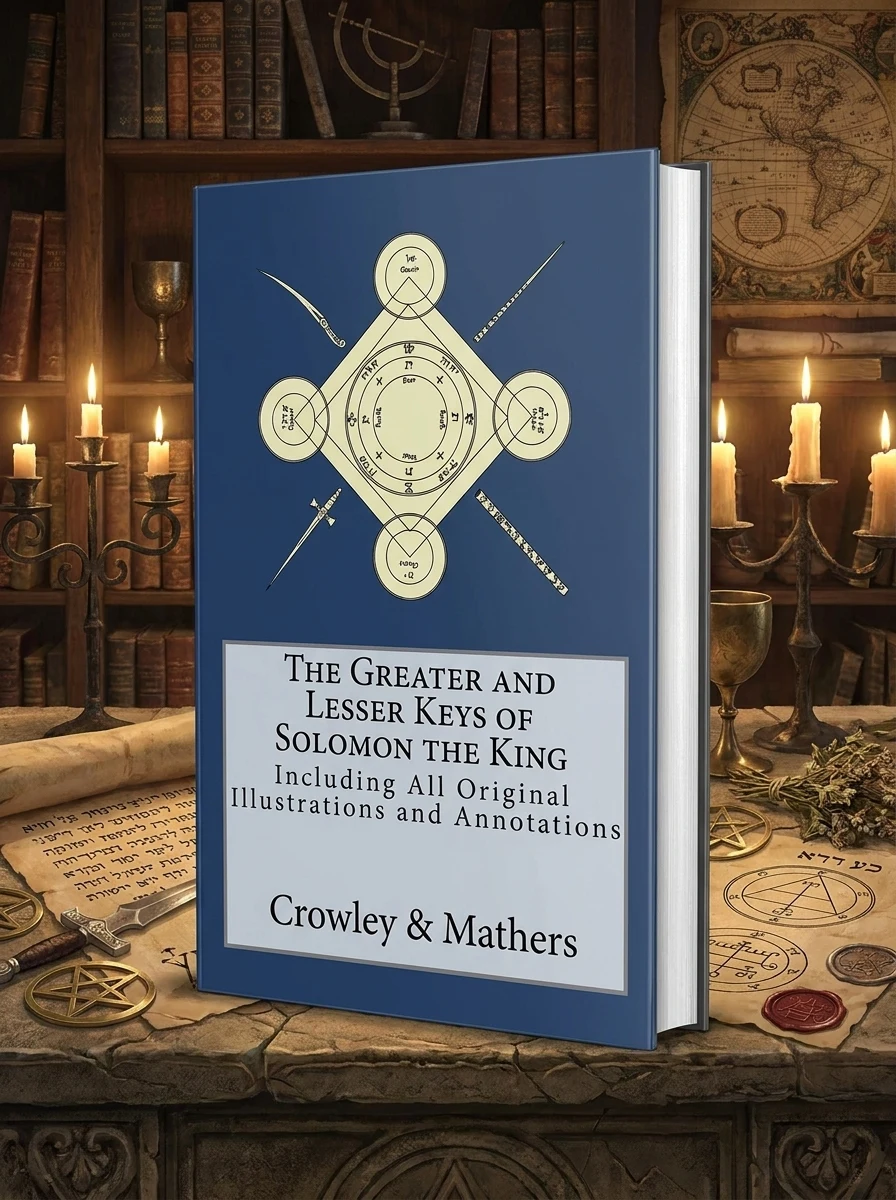
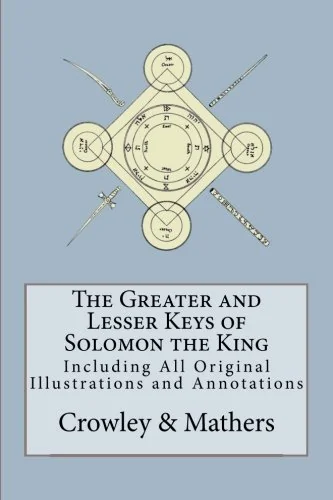
Unlock ancient power: King Solomon's legendary grimoires, now in one essential volume.
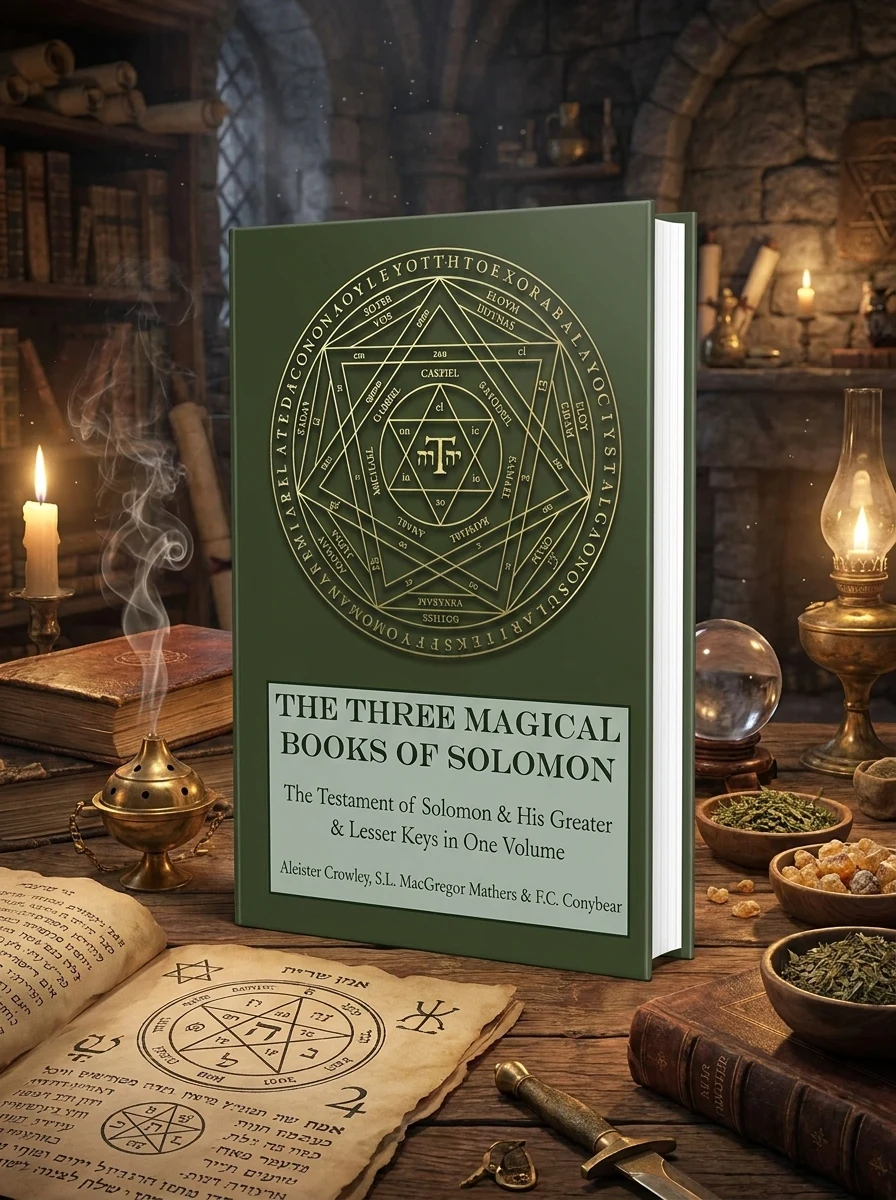
This compendium gathers S.L. MacGregor Mathers' pivotal translations of the legendary Solomon grimoires. It presents both The Greater Key—a foundational text detailing conjurations, curses, and powerful invocations—and The Lesser Key, guiding practitioners through Goetic magic, proper preparation, purification, and obtaining desired outcomes. Enhanced with Mathers' crucial annotations, numerous plates, intricate seals, pentacles, and the mystical alphabet, this edition offers an unparalleled deep dive into Solomonic magical traditions, illuminating the arcane wisdom for modern practitioners.

Key themes
{'title': 'Sacred Symbolism & Praxis', 'body': 'Explore the profound significance of Solomonic seals, pentacles, and mystical alphabets. This book emphasizes their crucial role in magical operations, explaining design, consecration, and application. It integrates their visual power with the practical execution of spells, rituals, and protective measures, vital for effective Solomonic practice.'}
This definitive compilation is indispensable for serious students of historical occultism and ceremonial magic. Mathers' meticulous translations, coupled with all original illustrations and annotations, make these complex grimoires accessible. While it serves as an unparalleled historical document and practical guide for dedicated practitioners, those seeking simplified, modern spellcraft will find its dense, ritualistic instructions challenging. It stands as a monumental work in esoteric literature.
📝 Description: The Greater and Lesser Keys of Solomon the King
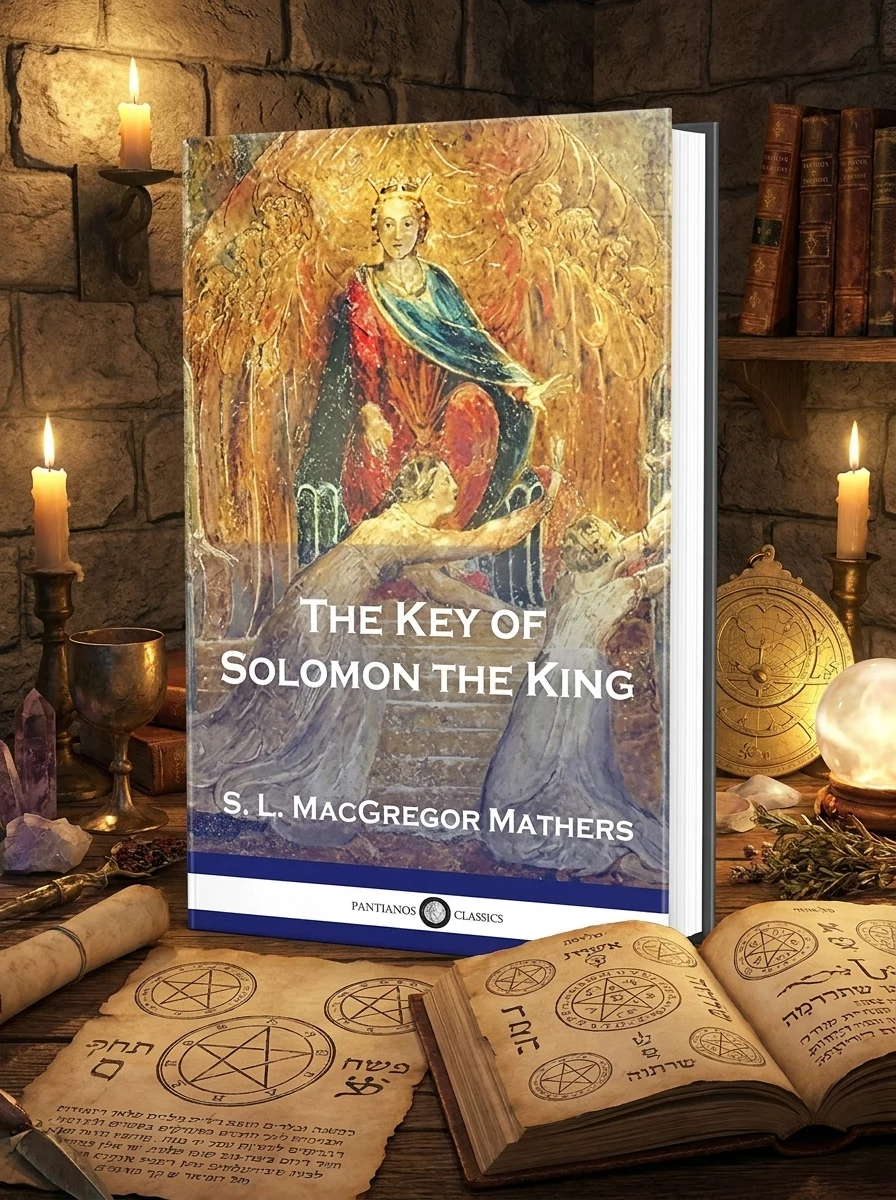
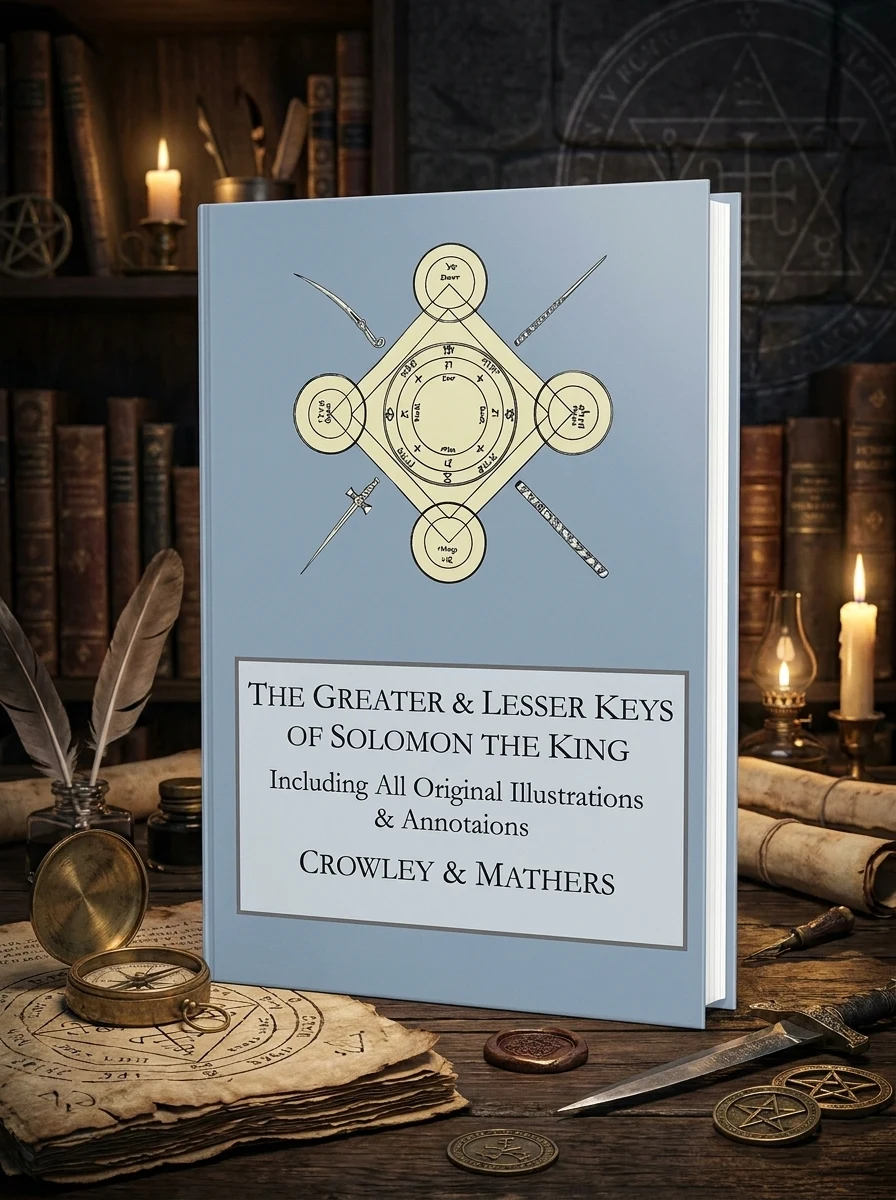
This trade paperback volume contains both The Key of Solomon the King (The Greater Key) and The Lesser Key of Solomon, including all of the original illustrations, diagrams and annotations to aid the reader in their understanding of the Solomon Key.
The Key of Solomon the King was originally researched and translated by S. L. MacGregor Mathers from ancient manuscripts in the British museums. Included by Mathers is the Order of the Pentacles of Solomon, the Ancient Fragment of the Key of Solomon, The Qabalistic Invocation of Solomon, and 15 plates full of figures, seals and charts, as well as the original text giving detailed instruction for spells and invocations.
The work is traditionally divided into two books detailing the Key of King Solomon. Book One explains the operation of conjurations, curses, spells and other magical works. Book Two instructs the practitioner on the proper attire, purification rituals and other means of obtaining the goals of the Goetia. Between these two books is the list of plates that contain numerous illustrations and secret seals of Solomon, including the Mystical Seal of Solomon, the Pentacles of Solomon, and the Mystical Alphabet, which impart the mechanisms and requirements for the invocation of spirits and demons.
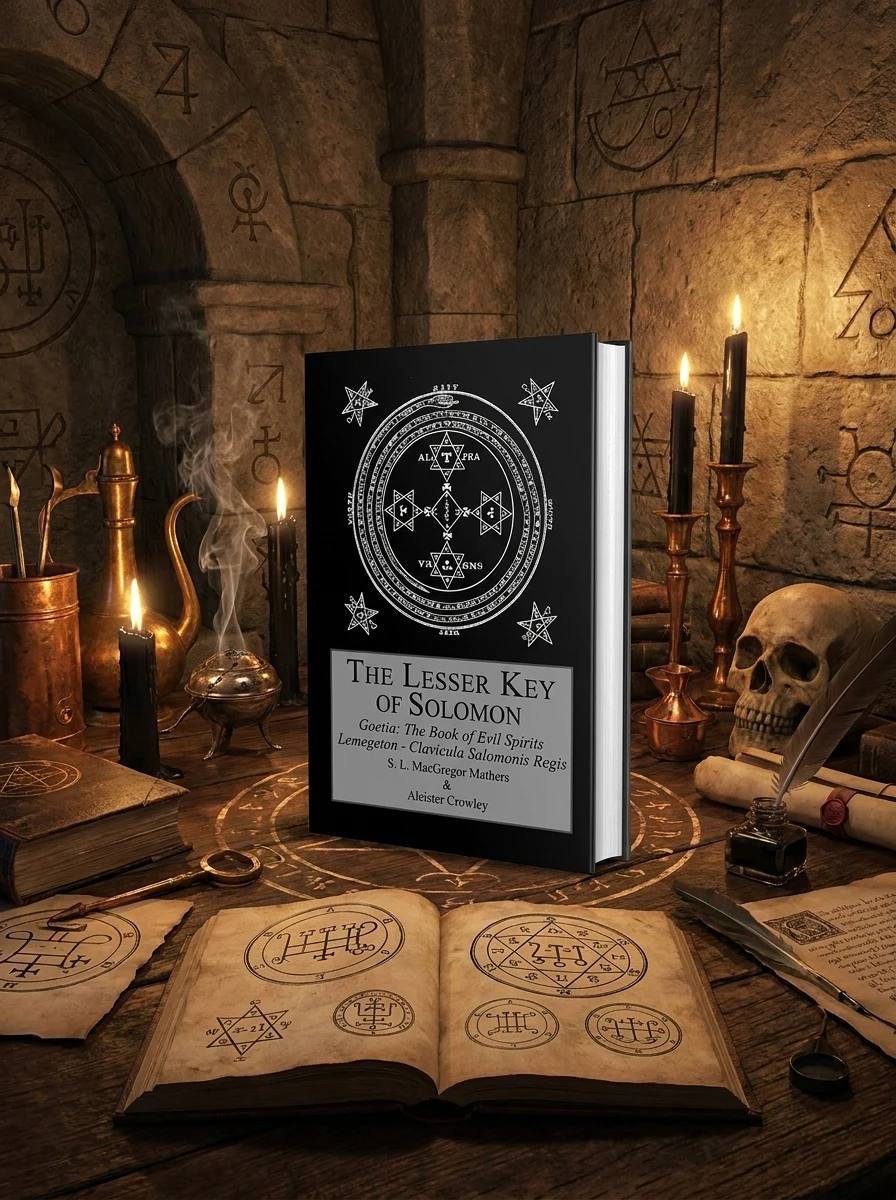
The Lesser Key of Solomon, or the Clavicula Salomonis Regis, or Lemegeton, is a compilation of materials and writings from ancient sources making up a text book of magic or "grimoire." Portions of this book can be traced back to the mid-16th to 17th centuries, when occult researchers such as Cornelius Agrippa and Johannes Trithemisus assembled what they discovered during their investigations into their own great works.
As a modern grimoire, the Lesser Key of Solomon has seen several editions with various authors and editors taking liberty to edit and translate the ancient writings and source material. In 1898, Arthur Edward Waite published his The Book of Black Magic and of Pacts, which contained large portions of the Lemegeton. He was followed by Mathers and Crowley in 1904 who published The Goetia: The Lesser Key of Solomon. Many others have assembled their own version of this ancient material since, and it is important to realize that it is the contents rather than the book itself that make up the Lesser Key. Traditionally, the source material is divided into five books: Ars Goetia, Ars Theurgia Goetia, Ars Paulina, Ars Almadel, and Ars Notoria. Mathers and Crowley indicate their edition is a translation of the first.
In the preface to this edition, it is explained that a "Secret Chief" of the Rosicrucian Order directed the completion of the book. The original editor was a G. H. Fra. D. D. C. F. who translated ancient texts from French, Hebrew, and Latin, but was unable to complete his labors because of the martial assaults of the Four Great Princes. Crowley was then asked to step in and finish what the previous author had begun. Traditionally, S. L. MacGregor Mathers is credited as the translator of this edition, and Crowley is given the title of editor.
Scholars believe these books of Solomon and their many iterations derive from the ancient practices of Jewish Kabbalah and Arab Alchemy. After time, it is thought Greek and Roman influences were added until, finally, the work was used and molded by high Renaissance magicians. This book, as well as other King Solomon books, such as the Magical Treatise of King Solomon and the Testament of Solomon, were brought back to modern times through the labors of occult practitioners such as S. L. MacGregor Mathers, Aleister Crowley and others around the turn of the last century.
⭐ Reader reviews
The starting rating comes from the team Esoterica Books — add yours →
⭐ Esoterica editorial reviewEditorial rating4.8/5
★★★★★
Serious students of Western esotericism, ceremonial magic, or Goetic traditions will find this dual volume indispensable. Practitioners seeking detailed, historical instruction on working with spiritual entities and mastering ancient Solomonic magic will find an essential guide.
Reader rating
Reviews yet. Be the first!
❓ Frequently asked questions
Yes, this edition thoughtfully compiles both The Greater Key of Solomon and The Lesser Key of Solomon into one comprehensive volume. It offers a complete overview of the Solomonic magical tradition as interpreted by S.L. MacGregor Mathers.
Absolutely. This edition faithfully reproduces all the original illustrations, diagrams, and plates, including the Pentacles of Solomon, mystical seals, and the arcane alphabet, which are critical for understanding and practicing the rituals described.
📖 Who should read this
Serious students of Western esotericism, ceremonial magic, or Goetic traditions will find this dual volume indispensable. Practitioners seeking detailed, historical instruction on working with spiritual entities and mastering ancient Solomonic magic will find an essential guide.
🎯 Key themes and symbolism
Sacred Symbolism & Praxis
Explore the profound significance of Solomonic seals, pentacles, and mystical alphabets. This book emphasizes their crucial role in magical operations, explaining design, consecration, and application. It integrates their visual power with the practical execution of spells, rituals, and protective measures, vital for effective Solomonic practice.
💬 Quotes from the book
«Prepare thyself with purity and diligence, for the spirits respond not to the unhallowed, nor to the wavering will.»
«And thou shalt hold before thee the Pentacle of Solomon, that no spirit may defy thy command, nor depart without thy leave.»
📜 Historical context
S.L. MacGregor Mathers' translations of the Solomonic grimoires, sourced from ancient manuscripts, represent a cornerstone of modern Western esotericism. These texts are considered primary sources for the Golden Dawn and other ceremonial magic orders, preserving a lineage of practice dating back centuries and influencing countless occultists seeking to command spiritual forces.
📚 Glossary
Goetia
Pentacle
Grimoire
📔 Questions to reflect on
Consider the ethical implications of commanding spiritual entities as described in these texts. How do modern magical ethics align or diverge from these ancient instructions?
Reflect on the detailed purification rituals and preparations. What spiritual or psychological benefits might such rigorous discipline offer, regardless of magical efficacy?
How do the various seals and pentacles function as visual language or conduits of power? Explore their design and potential impact on a practitioner's focus and intent.
✍️ More books by this author Mathers, S L MacGregor