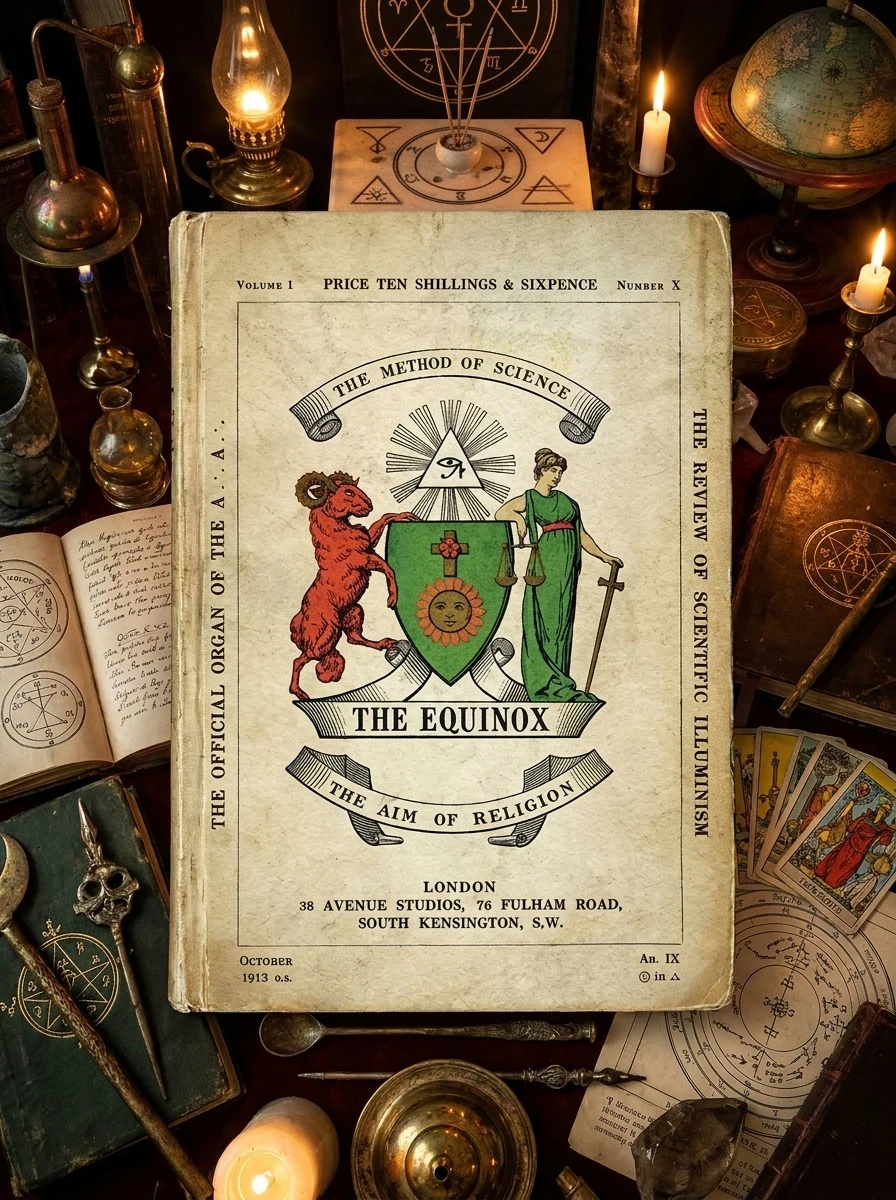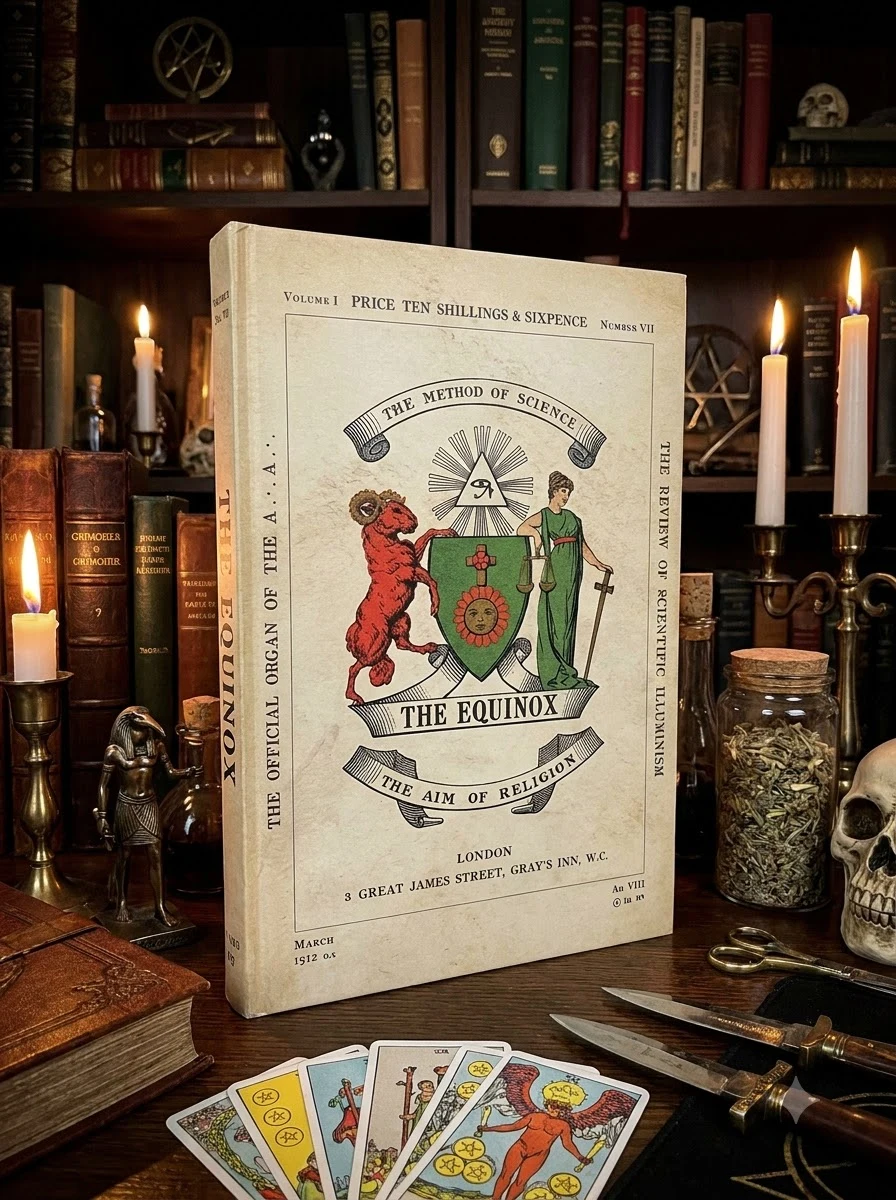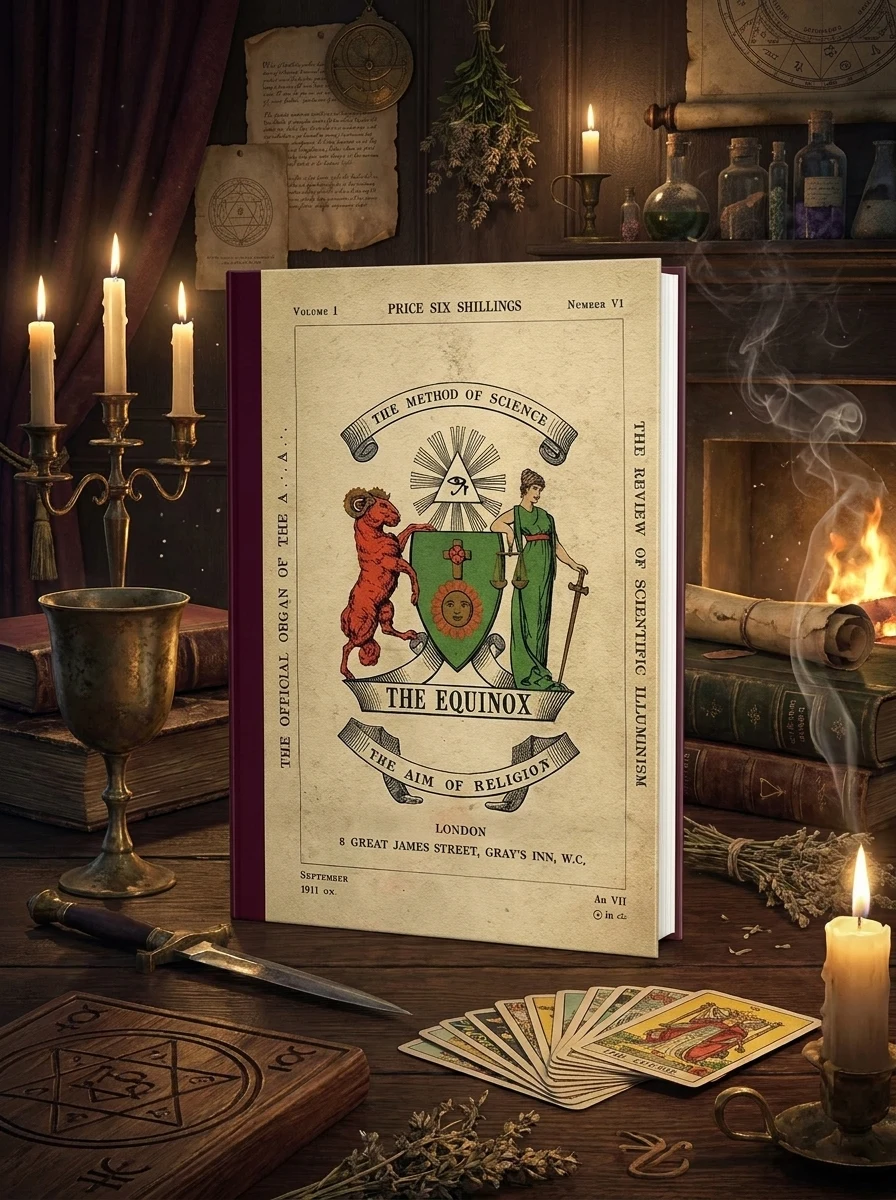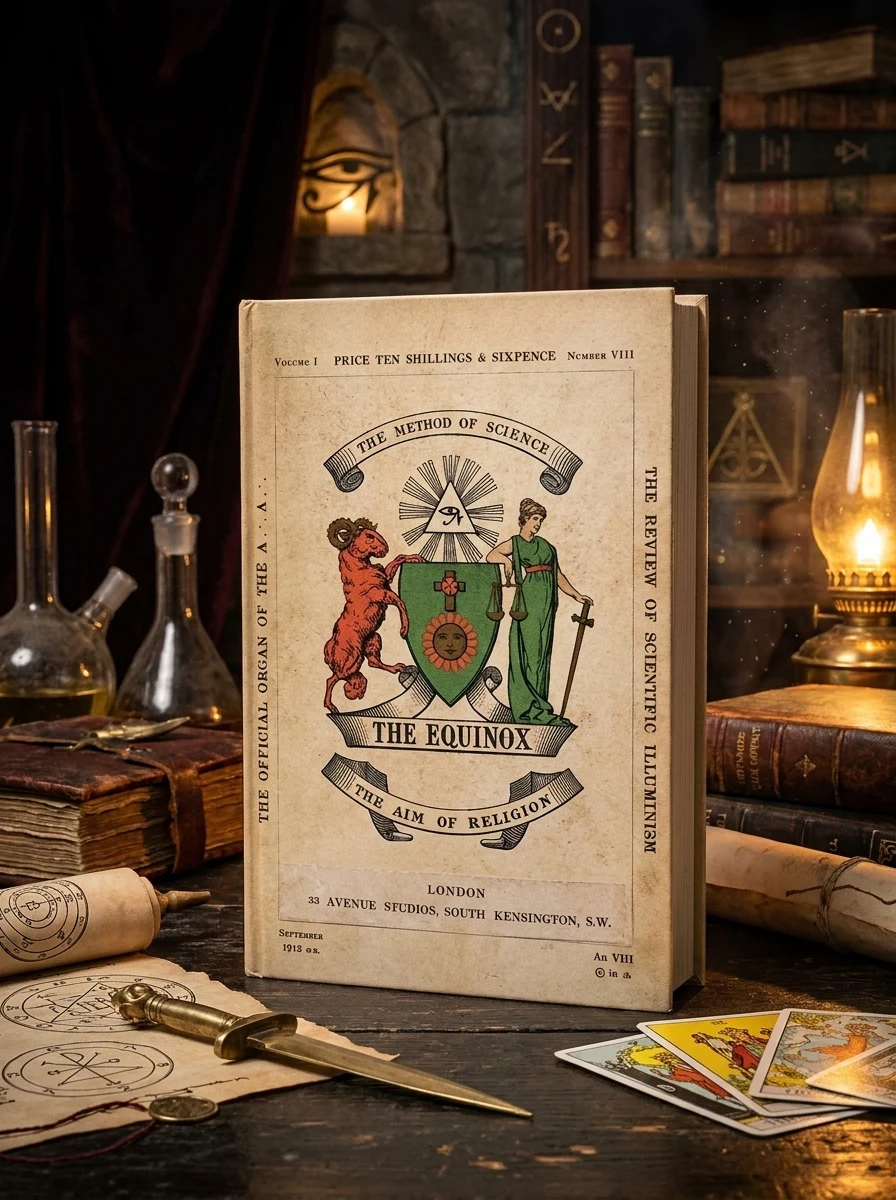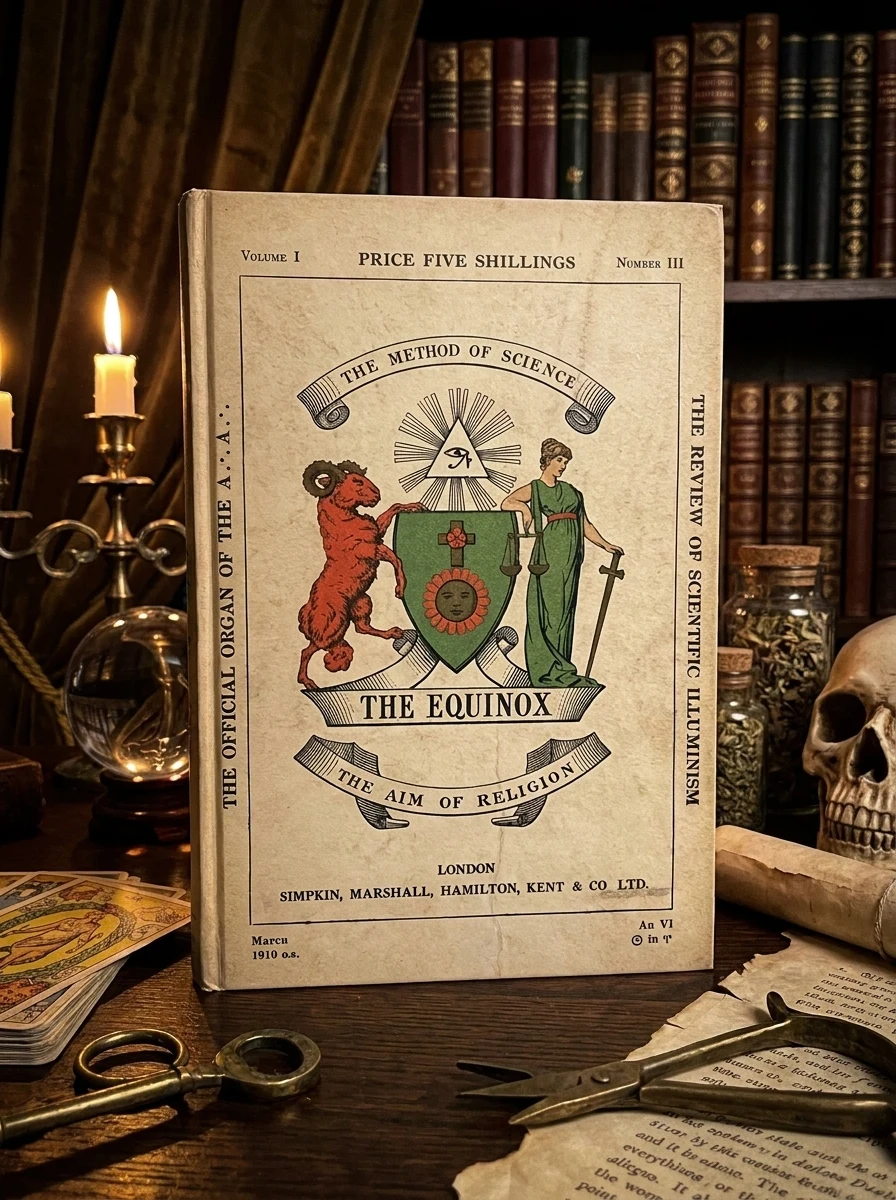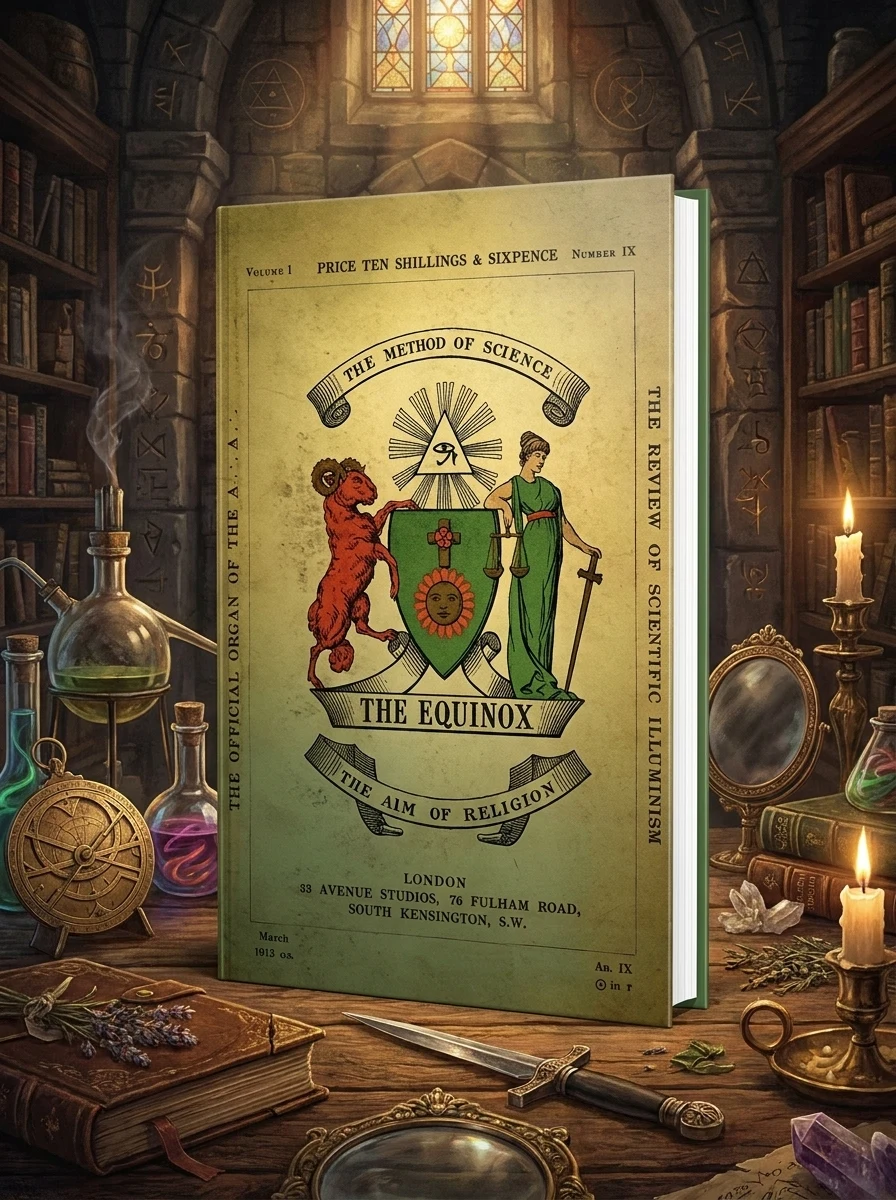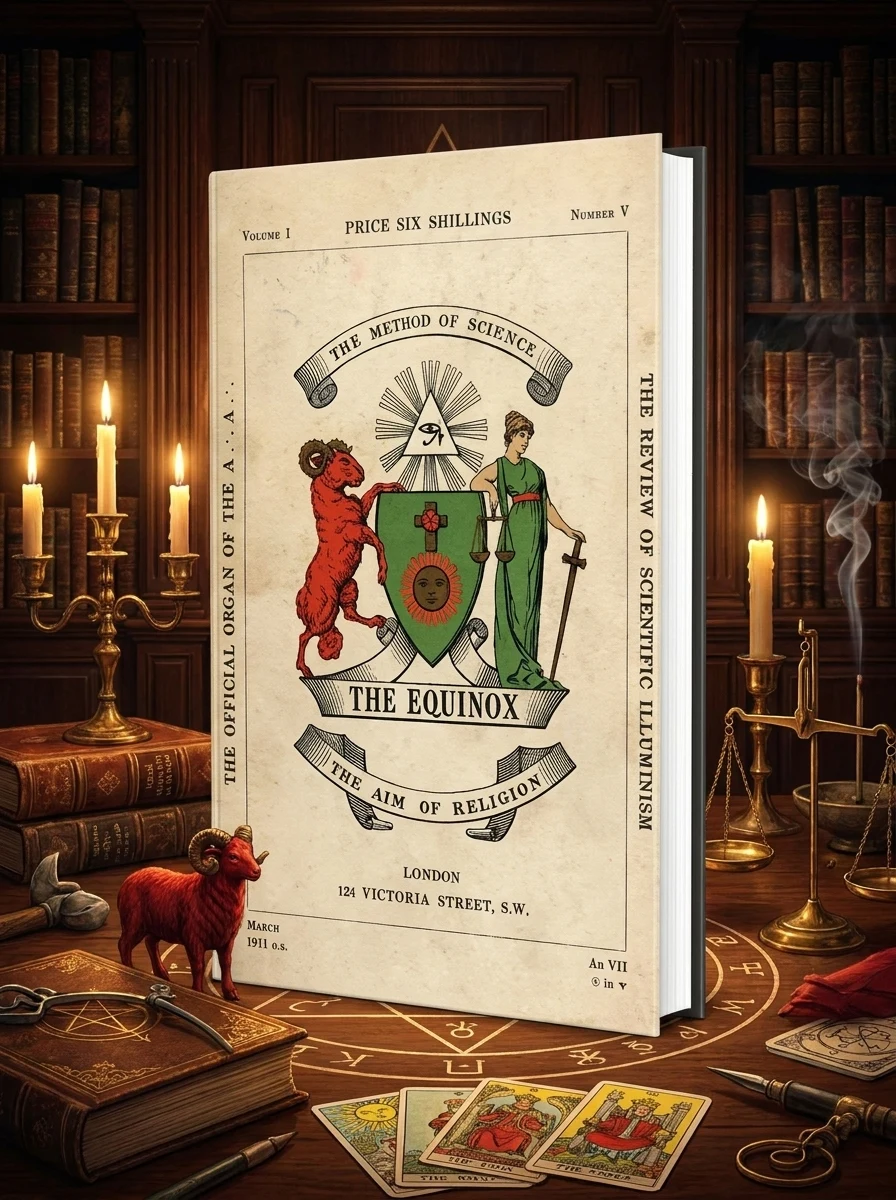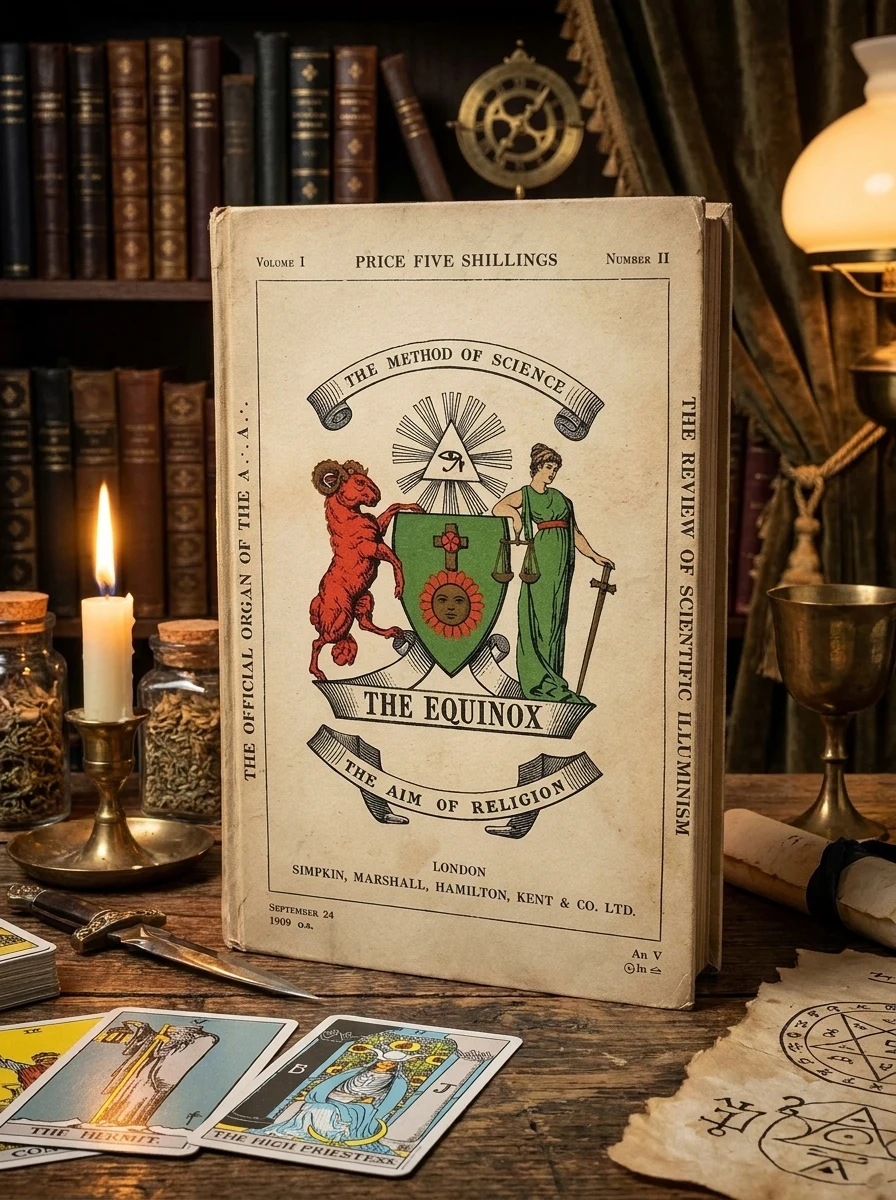
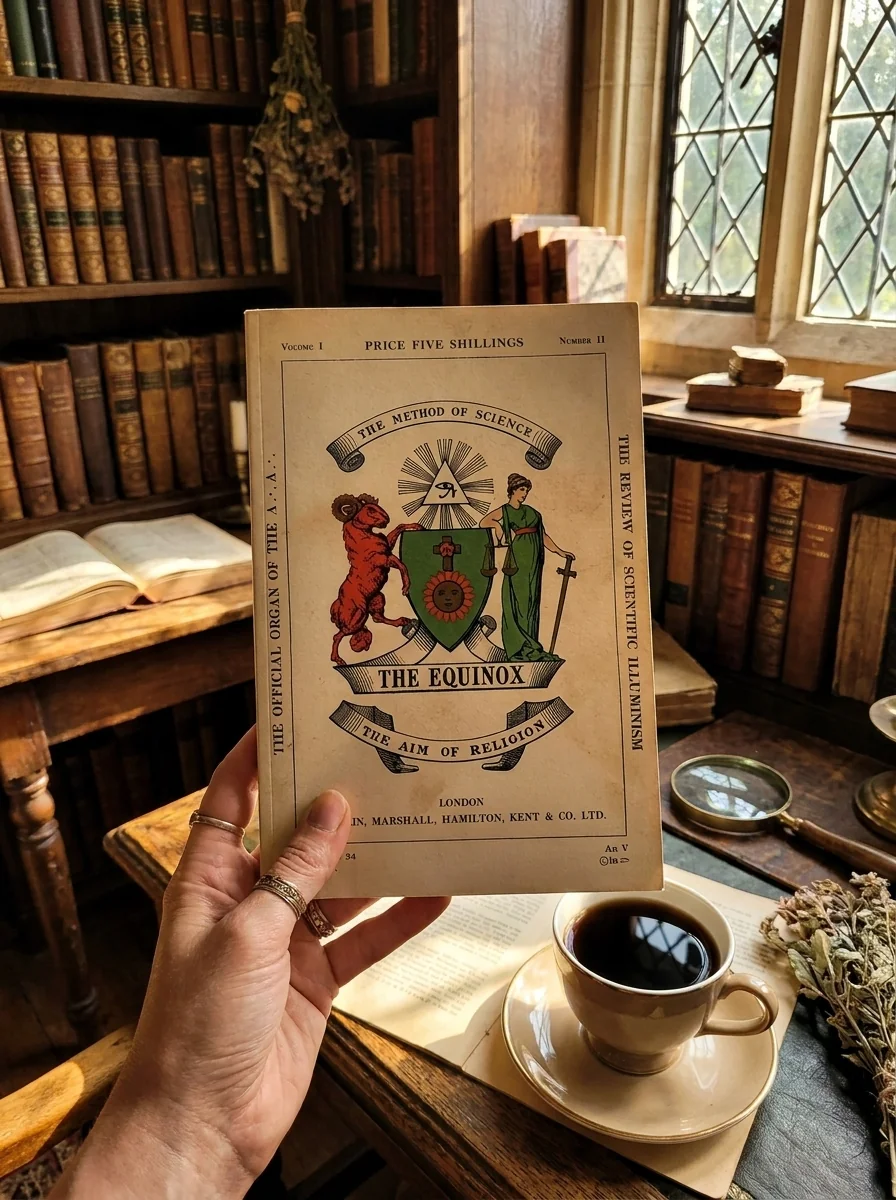
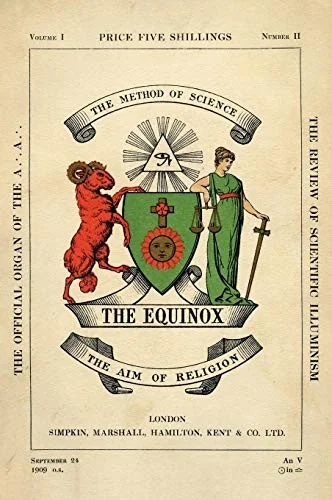
The Equinox: Keep Silence Edition, Vol. 1, No. 2
✍️ Crowley, Aleister; , Wilde, ScottThis edition offers readers a direct look at the early twentieth-century occult traditions documented by Aleister Crowley. Scott Wilde produced this volume using fresh scans taken from a 1909 first edition copy, preserving the authentic historical look of the journal. The content focuses heavily on magick studies, general occultism, and biographical accounts. It provides primary historical documents for individuals interested in studying authentic magical texts without editorial alterations.


📝 Description: The Equinox: Keep Silence Edition, Vol. 1, No. 2
💎 Expert review
📖 Why choose it
Why this book is worth reading
Scholars and serious practitioners of ceremonial magic will find this edition indispensable for understanding the intellectual framework of early modern esotericism. It offers a rare, direct window into Crowley’s mind during the formative years of his magical philosophy. Readers seeking to grasp the theoretical underpinnings of Scientific Illuminism will benefit from its comprehensive approach to magickal studies. This compendium serves as both an encyclopedia and a practical guide, bridging the gap between abstract spiritual inquiry and tangible occult practice. It is essential for those who wish to contextualize later magical developments within their original historical and philosophical roots.
⭐ Reader reviews
Reader rating
This meticulously reproduced edition captures the essence of the 1909 debut, serving as a critical compendium for dedicated students of the occult. While it provides profound insight into Crowley’s evolving spiritual inquiry, it demands serious engagement with complex esoteric philosophy. It is not suited for casual readers or those seeking straightforward self-help narratives. The dense theoretical nature may alienate beginners unfamiliar with ceremonial magic terminology. However, for those committed to deep magickal studies, it remains an invaluable resource that illuminates the foundational mysteries of the tradition.
❓ Frequently asked questions
📖 Who should read this
This is an indispensable volume for dedicated students of Western Esotericism, practitioners of ceremonial magick, and anyone seeking a comprehensive understanding of Aleister Crowley's profound legacy. If you're ready to dive deep into the foundational texts that shaped modern occult thought, this edition is for you.
🎯 Key themes and symbolism
Thelemic Magickal Practice
This volume lays out theoretical and practical frameworks for ritual and ceremonial magick, presenting Crowley's systematic approach to spiritual transformation. It challenges conventional understanding, inviting practitioners to engage with the occult through a lens of disciplined experimentation and self-discovery, central to his philosophy of Thelema.
Esoteric Philosophy Unveiled
Beyond mere spells, "The Equinox" explores the deep philosophical underpinnings of occult traditions. It serves as a comprehensive guide to understanding the metaphysical principles that govern the universe, integrating diverse spiritual currents into a coherent system aimed at personal and collective illumination, reflecting Crowley's syncretic vision.
Scientific Illuminism Explained
This theme delves into the concept of "Scientific Illuminism," presenting occultism not as superstition but as a rigorous, verifiable discipline. It encourages readers to apply empirical methods to spiritual experiences, charting a path of enlightenment through observation, analysis, and personal verification, much like a scientific inquiry into consciousness.
📜 Historical context
📚 Glossary
- Scientific Illuminism
- Occultism
- Magick
📔 Questions to reflect on
- How might applying a "scientific" methodology to your personal spiritual or magical practice alter your understanding and results?
- Reflect on the interplay between intellect and intuition in esoteric study. How does "The Equinox" encourage a balance between these two faculties?
- Consider Crowley's concept of "Will." How does understanding and aligning with your true will contribute to personal illumination as presented in this work?