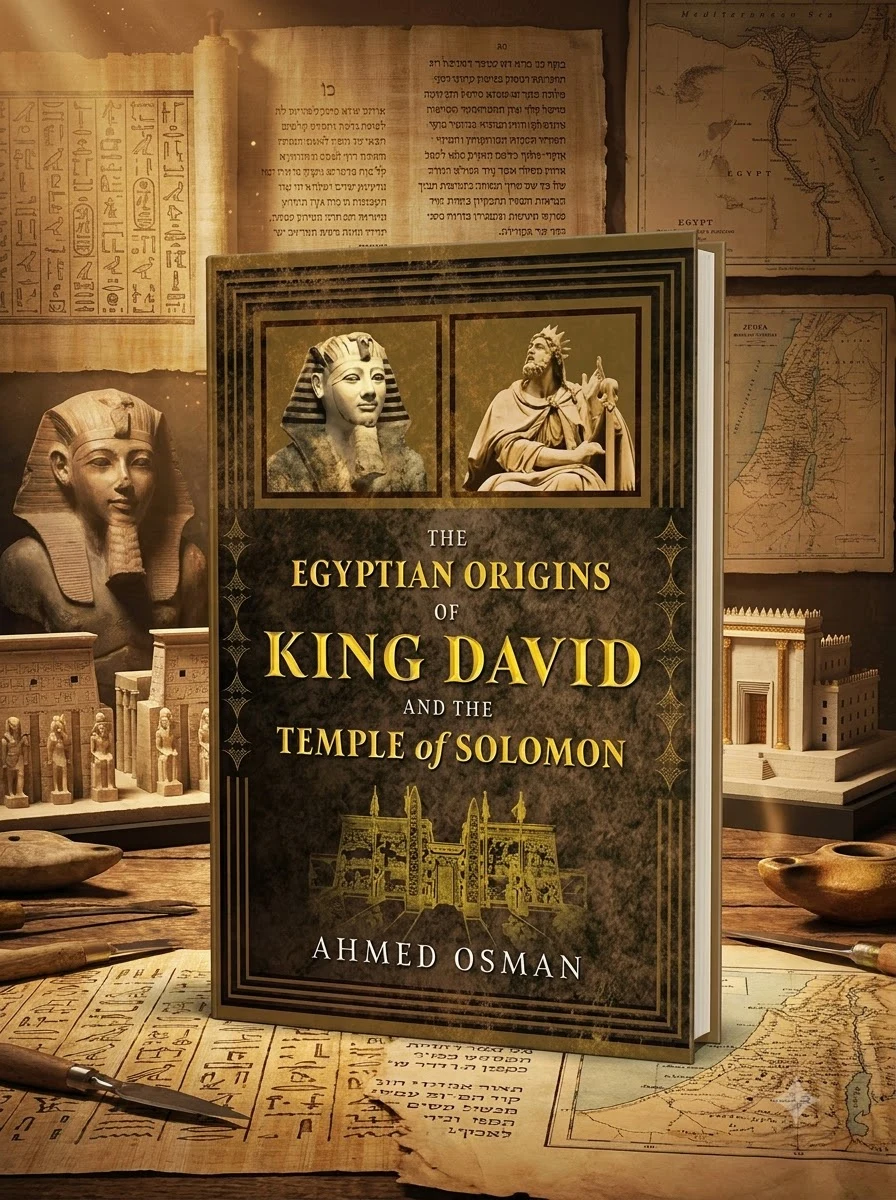
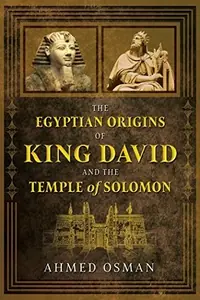
The Egyptian Origins of King David and the Temple of Solomon
Osman, Ahmed

This edition can be ordered. No arrival date is confirmed.
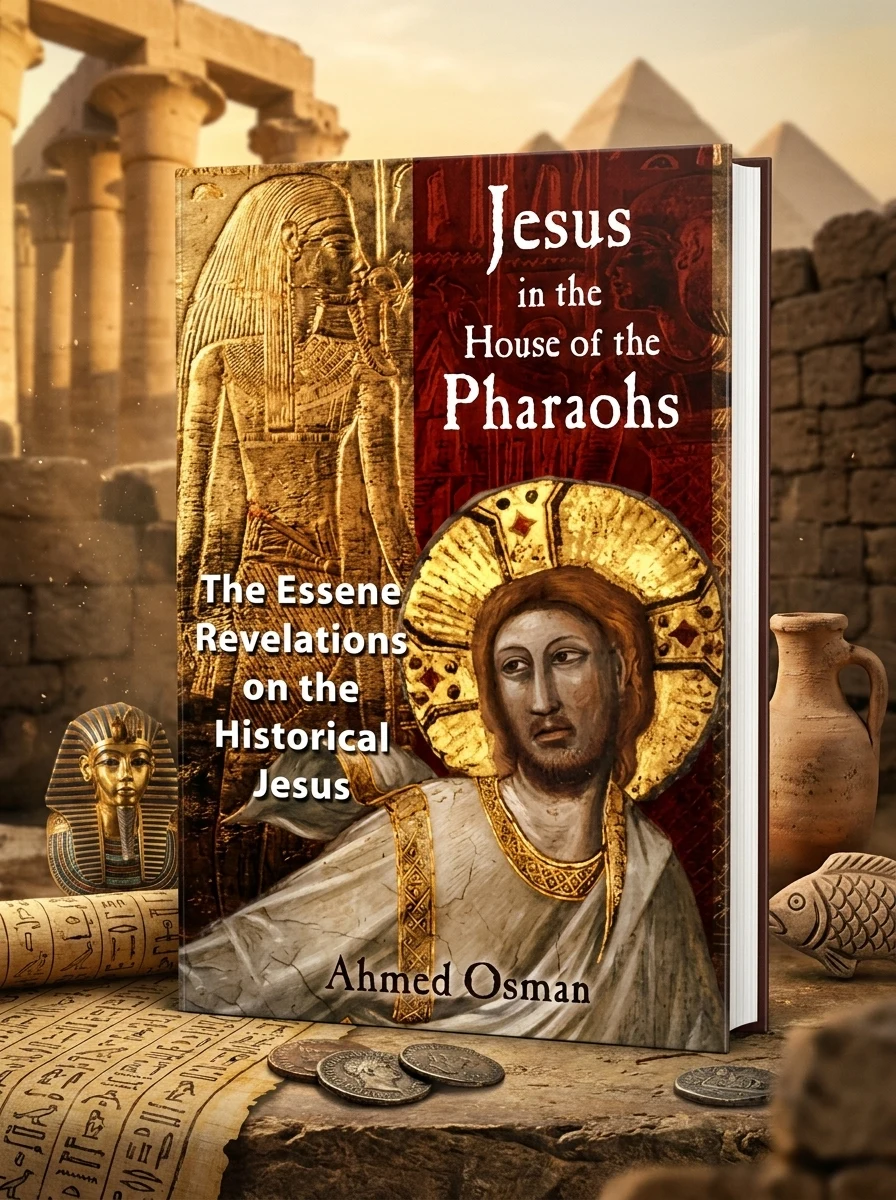
Uncover the audacious claim: King David was a pharaoh, and Solomon's Temple, an Egyptian marvel.
Ahmed Osman presents a radical reinterpretation of ancient history, proposing that the biblical King David was none other than the powerful Egyptian Pharaoh Tuthmosis III of the 18th Dynasty. His successor, Solomon, is identified as Pharaoh Amenhotep. This groundbreaking work meticulously argues that the legendary Temple of Solomon, far from being in Jerusalem, corresponds architecturally and symbolically with the Mortuary Temple of Luxor. Osman suggests that early biblical accounts were deliberately altered to conceal these Egyptian origins, fundamentally reshaping our understanding of foundational figures in Abrahamic traditions.
This work resides within the esoteric tradition of alternative biblical archaeology and comparative religion, challenging mainstream historical narratives by linking Judeo-Christian origins directly to ancient Egyptian pharaonic culture.


📝 Description: The Egyptian Origins of King David and the Temple of Solomon
💎 Expert review
📖 Why choose it
Why this book is worth reading
Readers fascinated by the hidden connections between ancient Egyptian dynasties and foundational Abrahamic figures will find this book a captivating intellectual journey. Ahmed Osman offers a bold, radical reinterpretation that invites you to see King David and Solomon through the lens of Pharaonic power rather than traditional biblical geography. If you enjoy uncovering suppressed histories and questioning established religious origins, this text provides an audacious narrative that reshapes your understanding of the Temple’s true architectural soul. It is perfect for those who seek to bridge the gap between Egyptian mysticism and biblical tradition, offering a fresh perspective on how early accounts may have been deliberately altered to conceal their deep Egyptian roots.
⭐ Reader reviews
Reader rating
Osman presents an audacious thesis that will polarize readers: King David was Pharaoh Tuthmosis III, and Solomon’s Temple is the Mortuary Temple of Luxor. While the argument is meticulously constructed within its own logic, it demands a suspension of conventional historical consensus. This book is not for those attached to traditional biblical literalism or mainstream archaeology, as it fundamentally rejects established chronologies in favor of a radical Egyptian identification. It suits open-minded seekers willing to explore controversial parallels between pharaonic rule and biblical narratives. However, academic historians may find the leaps in identification overly speculative. It is a compelling read for those interested in esoteric history, provided one approaches it as a provocative hypothesis rather than settled fact.
❓ Frequently asked questions
📖 Who should read this
For those who question orthodox biblical history, are drawn to ancient mysteries, or seek a complete paradigm shift in their understanding of the Old Testament. This book is for the open-minded explorer of esoteric knowledge and alternative historical perspectives.
🎯 Key themes and symbolism
Pharaonic Biblical Figures
This book boldly asserts that King David and his son Solomon were in fact Egyptian pharaohs, Tuthmosis III and Amenhotep respectively. Osman meticulously aligns their historical reigns and achievements with biblical narratives, suggesting a profound re-evaluation of their true identities and origins, challenging centuries of traditional understanding.
The Temple's Egyptian Roots
Osman offers compelling evidence that the awe-inspiring Temple of Solomon, described in great detail within the Bible, was not a unique structure in ancient Israel, but rather a textual reflection of Egypt's grand Mortuary Temple of Luxor. This re-identification suggests a deep, unacknowledged architectural and cultural debt to Egyptian civilization.
Rewriting Sacred Narratives
The author delves into the theory that the original stories of biblical figures, such as Abraham and Isaac, were intentionally altered by later narrators. This revision, Osman argues, was designed to obscure the true Egyptian heritage of figures like David, effectively creating a new narrative to suit a different cultural and religious agenda.
💬 Quotes from the book
“The deafening silence of the archaeological record regarding a Semitic King David is overcome when one dares to look beyond the Levant, to the monuments of Egypt, where the life of Tuthmosis III mirrors his biblical counterpart with uncanny precision.”
“The grand descriptions of Solomon's Temple, once dismissed as hyperbolic, cease to be mere fantasy when viewed through the lens of Egyptian architecture, finding their colossal echo not in Jerusalem's dust, but in the enduring stones of the Mortuary Temple at Luxor.”
📜 Historical context
📚 Glossary
- Pharaoh
- Mortuary Temple
- Biblical Criticism
📔 Questions to reflect on
- How might our understanding of Abrahamic faiths and their foundational narratives shift if key biblical figures were indeed Egyptian pharaohs?
- Consider the political and religious motivations that might lead ancient scribes to deliberately alter or conceal historical identities and events.
- What are the broader implications for historical and religious studies when archaeological findings challenge centuries of established belief?
✍️ More books by this author Osman, Ahmed
All books by this author →
🏛 Books from this publisher Bear & Company
All books from this publisher →

You might also like
See more →