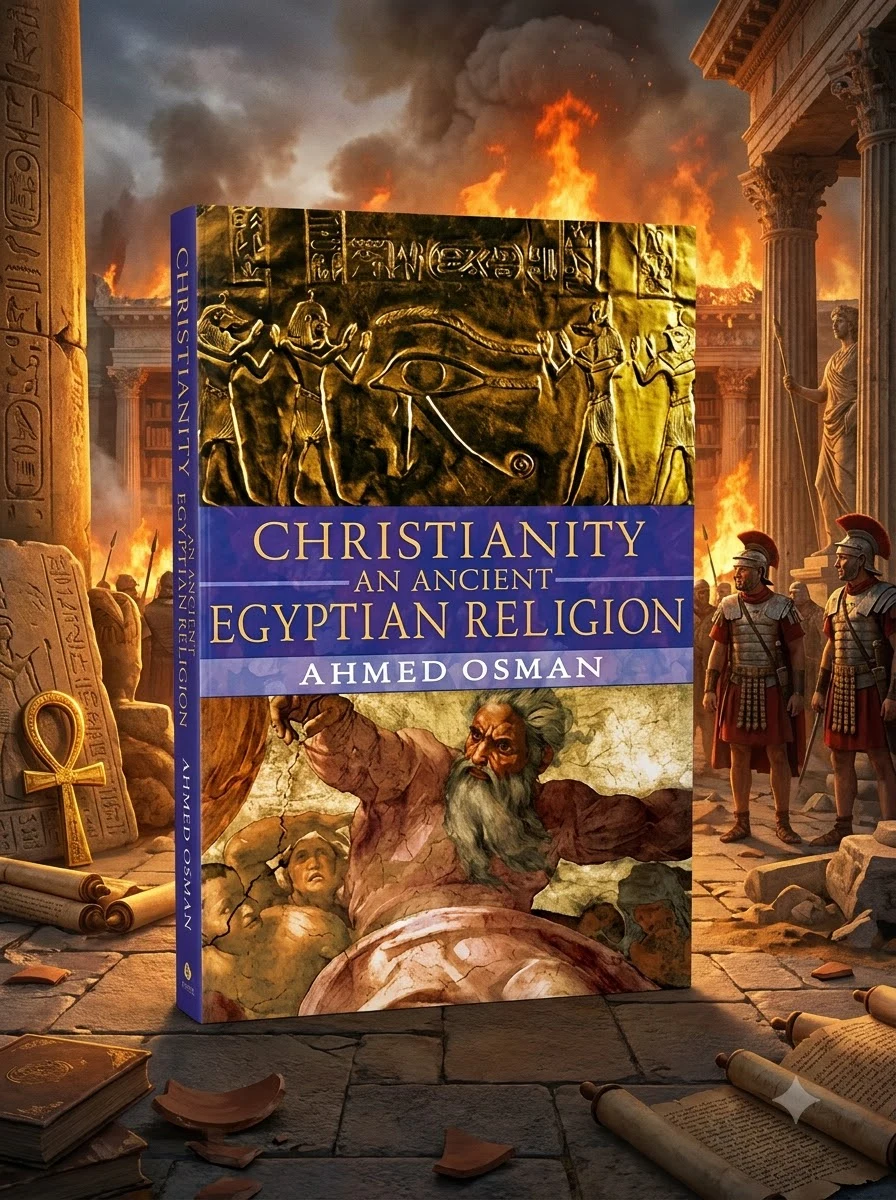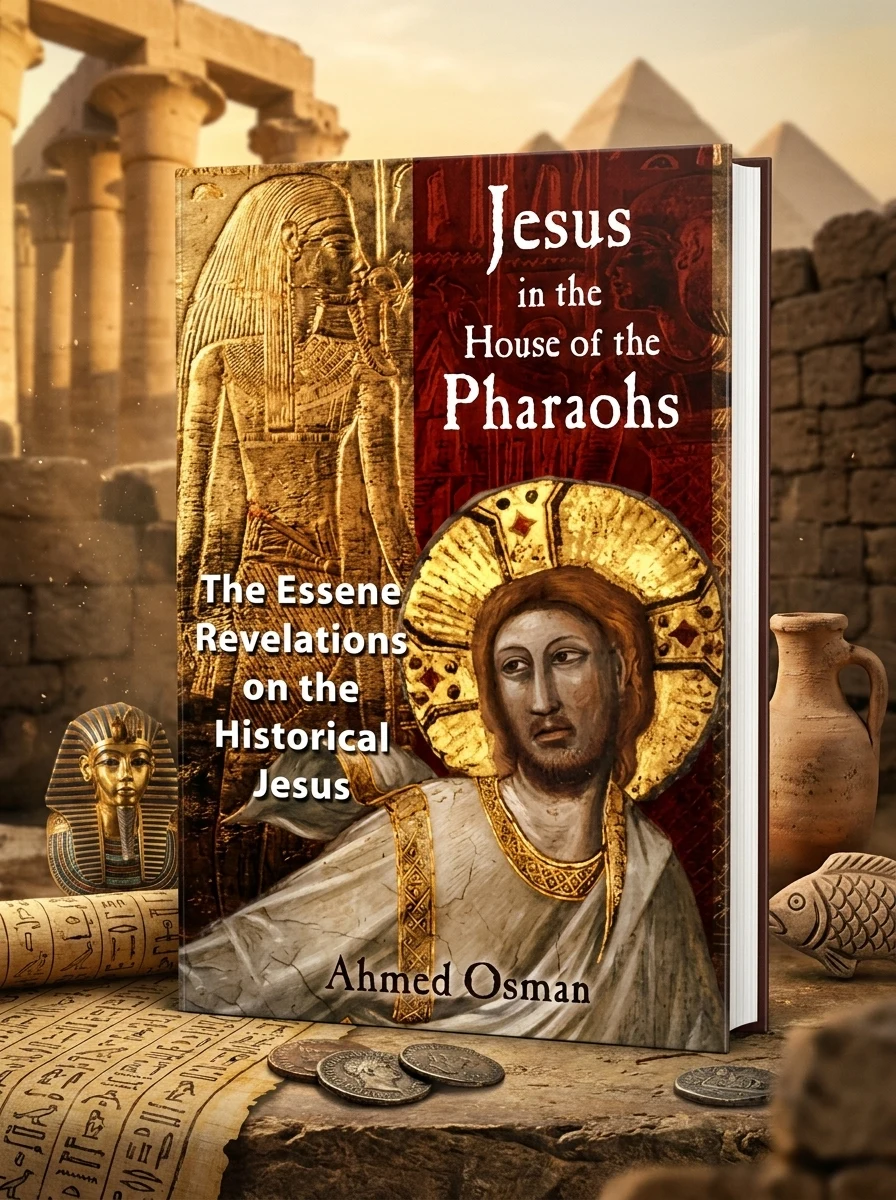
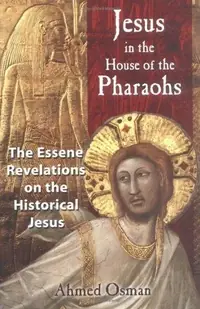
Jesus in the House of the Pharaohs: The Essene Revelations on the Historical Jesus (Edition, New of the House of the Messiah)
Osman, Ahmed

This edition can be ordered. No arrival date is confirmed.
Unearth the radical theory that Jesus, Joshua, and Tutankhamun share a single, ancient identity.
Osman challenges the standard Christian timeline by arguing that the historical Jesus was actually an Egyptian pharaoh from the 18th dynasty. He synthesizes diverse texts, including the Koran, Talmud, and Dead Sea Scrolls, to propose that Jesus and Joshua are one figure who predates the first century CE. The work posits that Christianity’s roots lie in Essene traditions and that the Messiah’s arrival aligns with the reign of Tutankhamun. This provocative synthesis reimagines biblical history through an archaeological and comparative religious lens.
This work resides within the esoteric tradition of alternative biblical archaeology and comparative mythology, challenging orthodox historical narratives through syncretic religious interpretation.


📝 Description: Jesus in the House of the Pharaohs: The Essene Revelations on the Historical Jesus (Edition, New of the House of the Messiah)
💎 Expert review
📖 Why choose it
Why this book is worth reading
Readers fascinated by the intersection of archaeology, theology, and alternative history will find this text a provocative journey into reimagined origins. Those drawn to the Essene traditions or skeptical of standard Christian timelines will appreciate Osman’s bold synthesis of diverse texts like the Koran and Dead Sea Scrolls. It offers a unique lens for understanding the Messiah’s arrival through an Egyptian pharaonic context, appealing to those who enjoy unraveling complex historical puzzles. If you seek to expand your perspective on biblical figures beyond conventional religious frameworks, this book provides a stimulating, if radical, alternative narrative that connects ancient Egyptian dynasties with foundational religious events.
⭐ Reader reviews
Reader rating
Osman presents a highly speculative thesis that merges the identities of Jesus, Joshua, and Tutankhamun into a single ancient figure. While intellectually stimulating for open-minded seekers of esoteric history, this work is not suitable for readers seeking strictly academic or orthodox theological analysis. The synthesis of disparate texts like the Talmud and Dead Sea Scrolls with Egyptian archaeology may feel forced to skeptics or traditionalists alike. It serves best as a thought experiment in comparative religion rather than factual history. Readers who prefer established historical consensus or rigid doctrinal adherence will likely find the arguments unconvincing and overly imaginative, making it a niche read for those already interested in radical reinterpretations of sacred texts.
❓ Frequently asked questions
📖 Who should read this
Readers fascinated by alternative biblical chronologies, Egyptology enthusiasts, and those questioning traditional historical narratives. Ideal for those open to cross-cultural religious synthesis and non-traditional interpretations of messianic history.
🎯 Key themes and symbolism
Pharaonic Christology
Osman reinterprets the figure of Jesus not as a first-century Jew, but as a divine Egyptian ruler. He draws parallels between the spiritual sonship of Tutankhamun and the messianic role of Jesus, suggesting a continuous lineage of divine kingship that transcends traditional Christian chronology.
Essene Origins
The text argues that early Christianity did not emerge in a vacuum but evolved directly from Essene teachings. By examining the Dead Sea Scrolls and church documentation, Osman traces how these ancient sects shaped the theological foundations of the faith, linking them to the royal court of Egypt.
Archaeological Evidence
Rather than relying solely on theological interpretation, Osman utilizes archaeological findings alongside the Koran and Talmud. He constructs a case that historical records from these varied sources point to a Messiah who lived over a millennium before the commonly accepted date of Jesus’s birth.
💬 Quotes from the book
“The Messiah came more than a millennium before the first century C.E.”
“Christianity evolved from Essene teachings.”
📜 Historical context
📚 Glossary
- 18th Dynasty
- Essene Revelations
- Christology
📔 Questions to reflect on
- How does shifting the timeline of Jesus’s life change your understanding of his teachings?
- What role does archaeology play in validating or challenging religious narratives?
- In what ways might Essene philosophy have shaped the core tenets of Christianity?
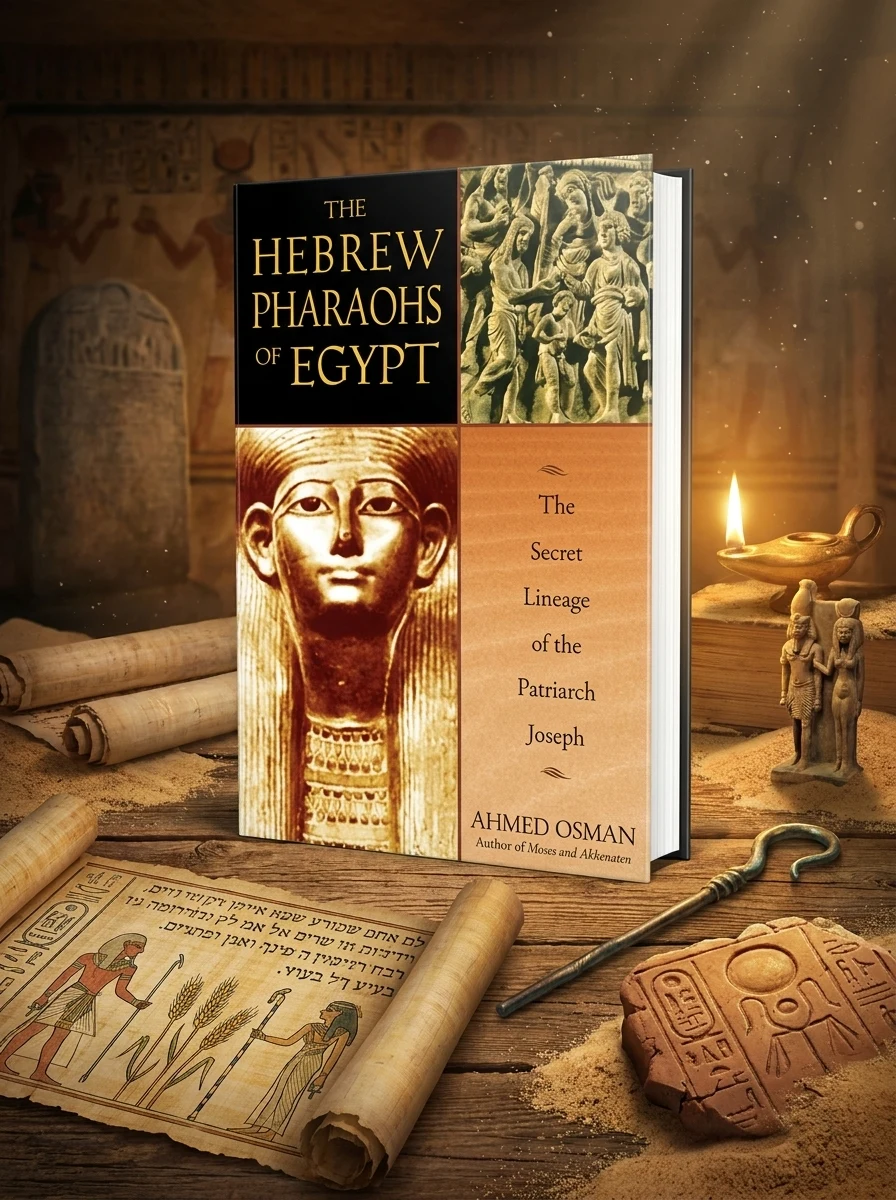
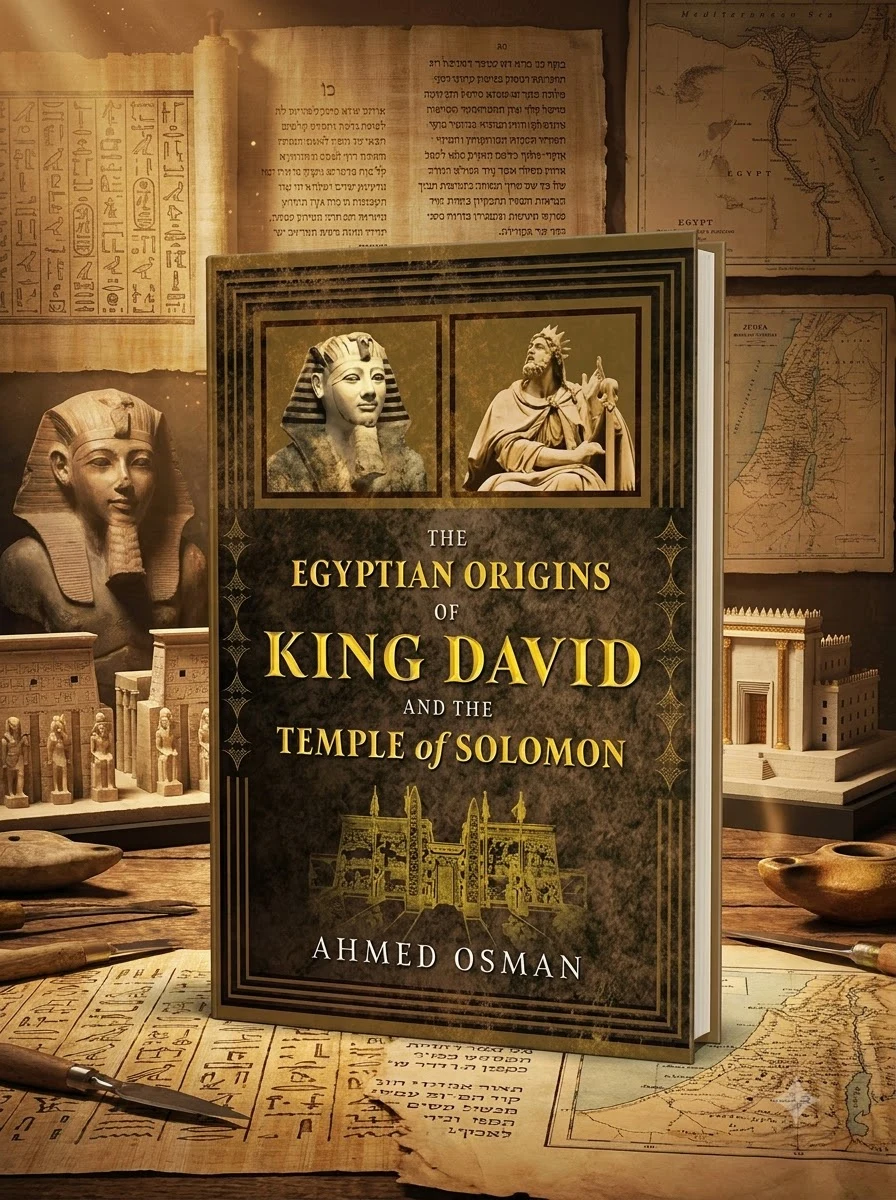
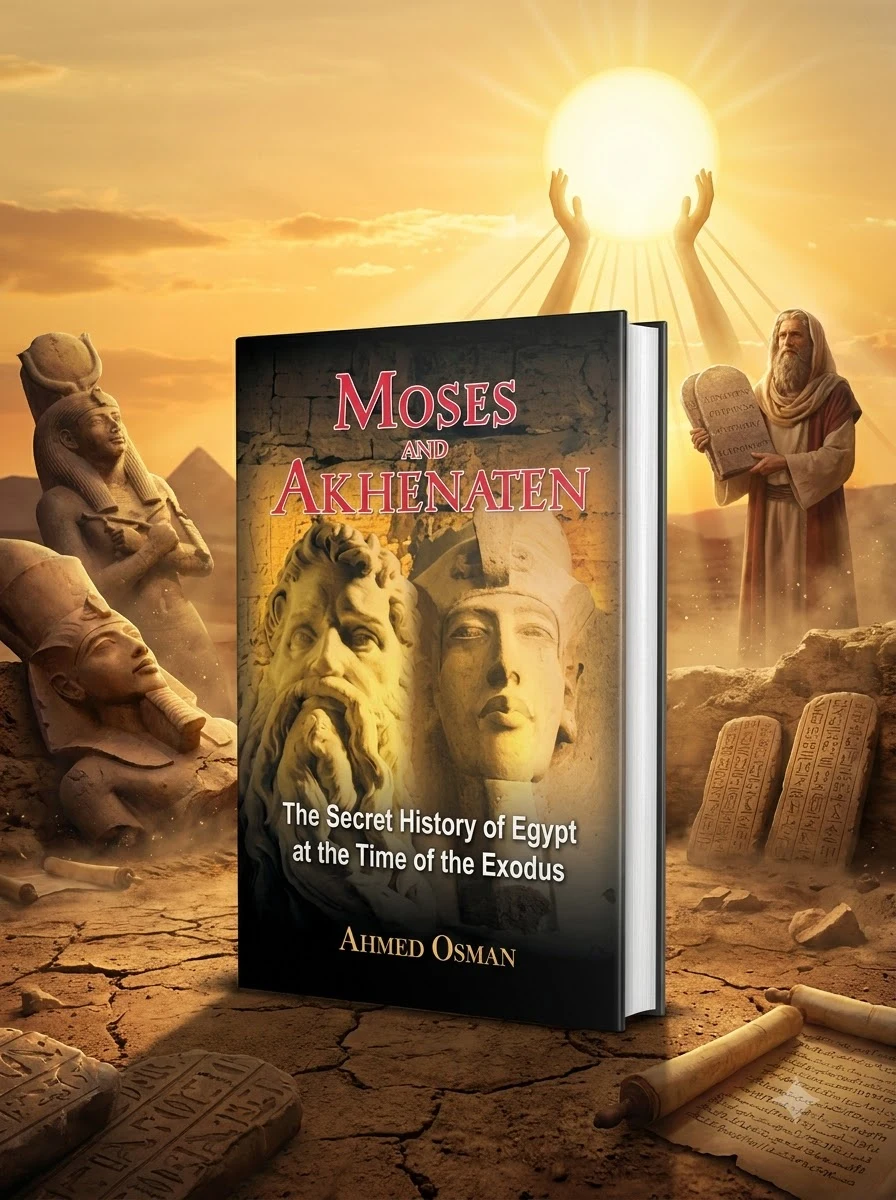
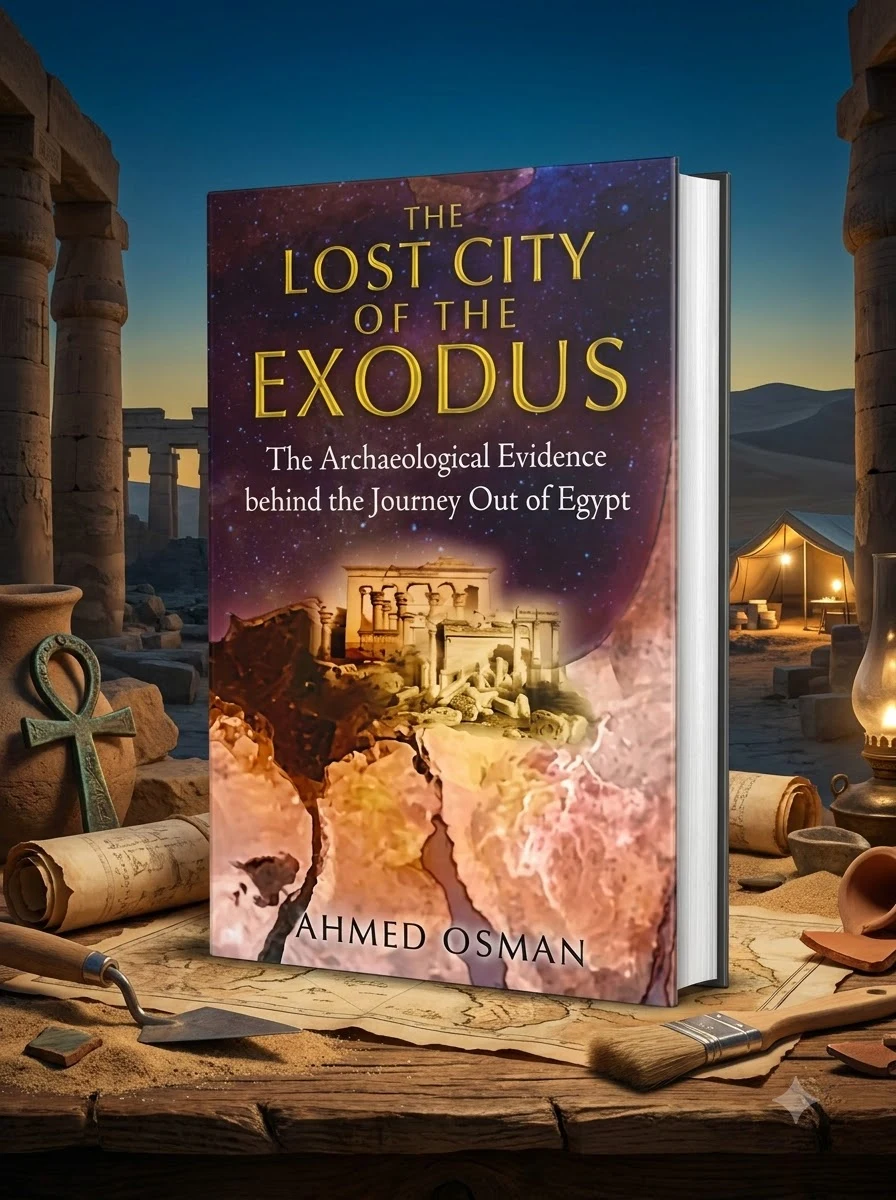
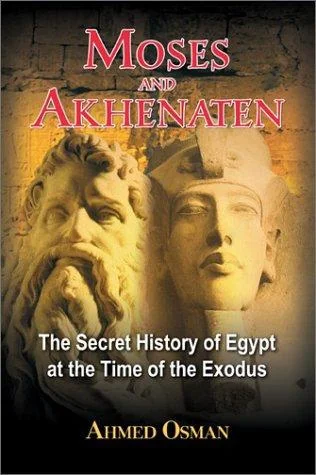
✍️ More books by this author Osman, Ahmed
All books by this author →
🏛 Books from this publisher Bear & Company
All books from this publisher →
You might also like
See more →