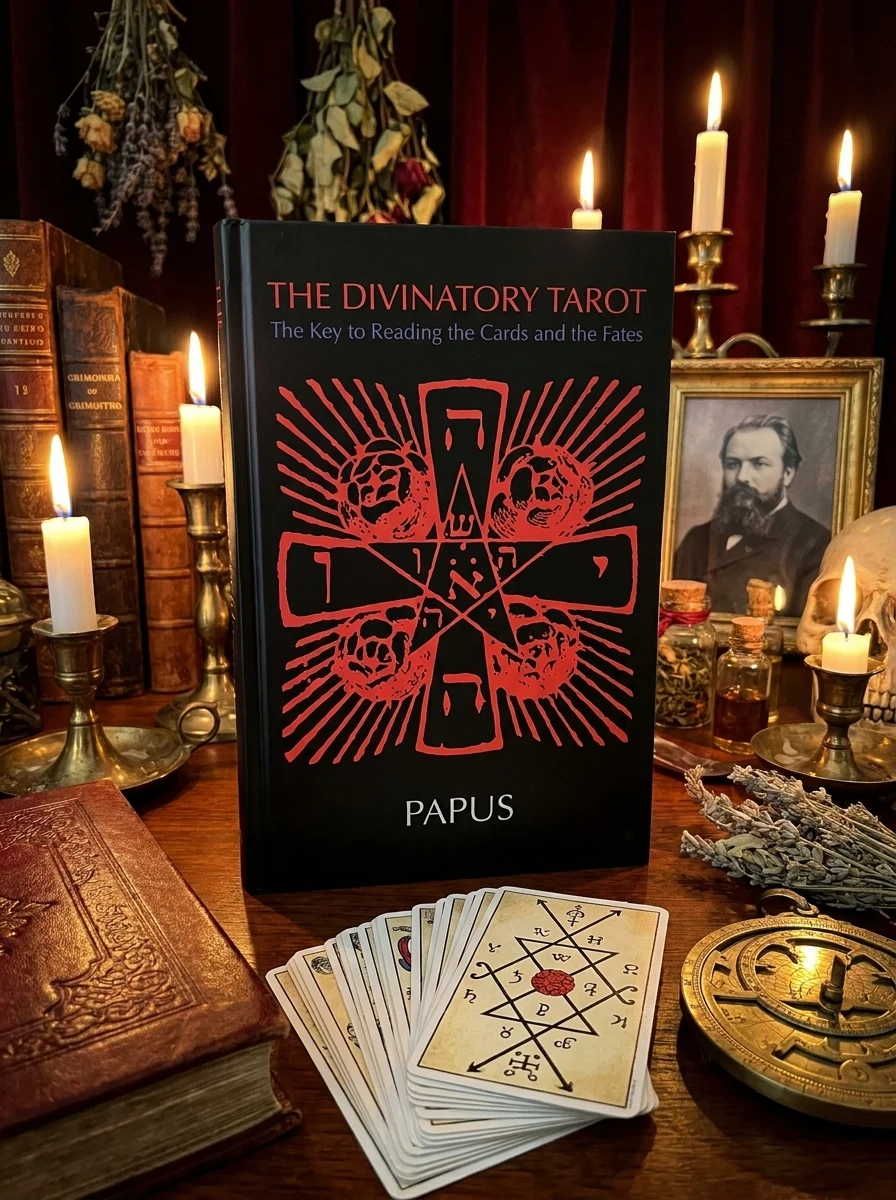
The Divinatory Tarot
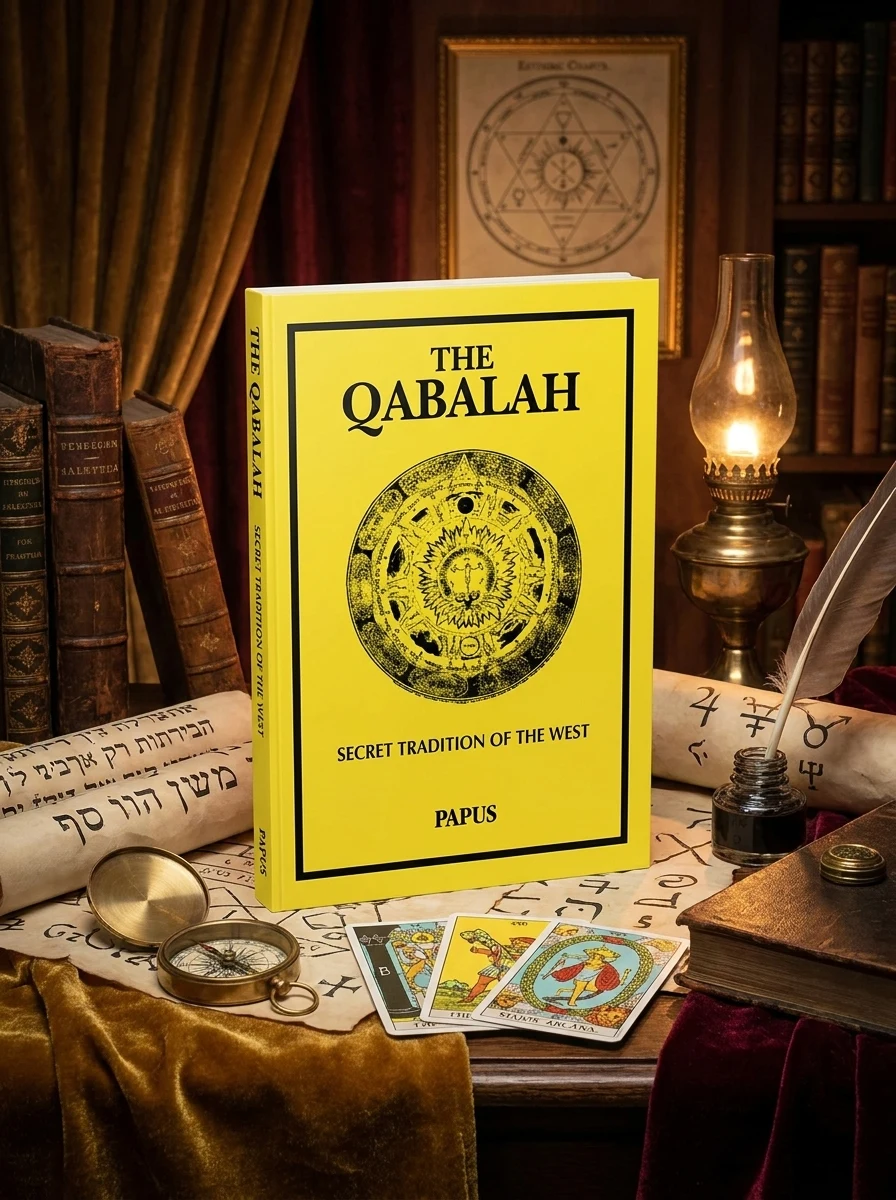
✍️ PapusStep into the intellectual world of Papus, a pivotal figure in the 19th-century occult revival, as he unravels the enigmatic layers of the Tarot. This volume offers a rare glimpse into his unique interpretations and philosophical underpinnings of the cards, moving beyond mere fortune-telling to explore their deeper esoteric significance. Readers will find his insights into the symbolism and structure of the Tarot both historically significant and remarkably thought-provoking, providing a foundational understanding that influenced subsequent generations of mystics and practitioners.


📝 Description: The Divinatory Tarot
💎 Expert review
📖 Why choose it
Why this book is worth reading
Readers drawn to the intellectual depth of esoteric studies will find this volume indispensable for understanding the philosophical underpinnings of Tarot. Papus offers a rare glimpse into the mind of a pivotal 19th-century occult master, moving beyond superficial fortune-telling to reveal the profound wisdom embedded in each card. Those seeking a foundational understanding that influenced subsequent generations of mystics will appreciate his unique interpretations and historical significance. This book is ideal for practitioners who wish to explore the enigmatic layers of symbolism and structure, providing a thought-provoking framework that enriches both scholarly research and personal spiritual practice within the broader context of Western esotericism.
⭐ Reader reviews
Reader rating
Papus delivers a rigorous intellectual exploration of Tarot, treating the cards as vessels of deep philosophical meaning rather than mere divination tools. His insights are historically significant and remarkably thought-provoking for serious students of the occult. However, this volume is not suited for casual readers seeking simple fortune-telling or those who prefer intuitive, emotional connections over structured analysis. The text demands a willingness to engage with complex esoteric frameworks and historical context. While it provides essential foundational knowledge for understanding the evolution of Tarot philosophy, it may feel dense or overly academic to those looking for accessible, practical guides without substantial theoretical backing.
❓ Frequently asked questions
📖 Who should read this
If you're drawn to the historical roots of modern occultism, seek a deeper, philosophical understanding of Tarot, or wish to explore the mind of a pivotal esoteric thinker, this book is an essential addition to your library. It illuminates the intellectual currents that shaped contemporary magical practice.
🎯 Key themes and symbolism
Papus's Tarot Vision
Papus presents the Tarot not just as a tool for prognostication, but as a complex system of ancient wisdom. He delves into its symbolic architecture, connecting the cards to universal principles and hidden knowledge, offering a distinct perspective that shaped the esoteric understanding of the deck for decades to come.
Occult Revival Influence
This work stands as a testament to Papus's central role in the resurgence of occult studies during the late 1800s. His writings on Tarot were instrumental in intellectual circles, laying groundwork and inspiring luminaries like Aleister Crowley, thus cementing his legacy as a foundational voice in modern esotericism.
Divination as Esoteric Art
Beyond simple card reading, Papus frames divination as a profound art form, a method for accessing deeper truths and understanding cosmic patterns. He guides the reader through the philosophical approach to using the Tarot for insight, emphasizing its power as a spiritual and psychological mirror rather than a mere predictor of fate.
📜 Historical context
📚 Glossary
- Occultism
- Divination
- Esotericism
📔 Questions to reflect on
- How does Papus's view of Tarot as a 'cosmic key' challenge or align with your current understanding of the cards?
- Reflect on the idea of divination as an 'enlightened will.' How might this perspective change your approach to seeking guidance?
- Consider the influence of 19th-century occultists like Papus on contemporary spiritual practices. What echoes do you observe today?