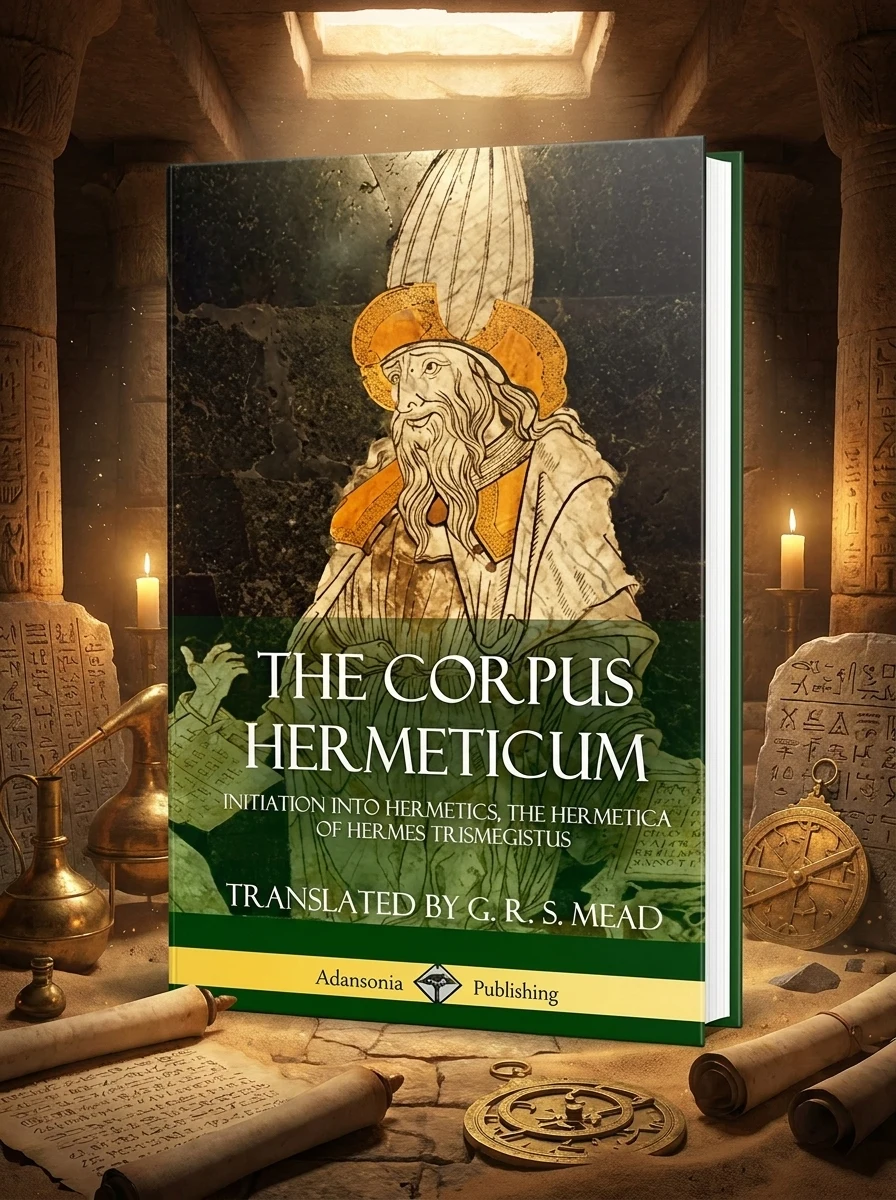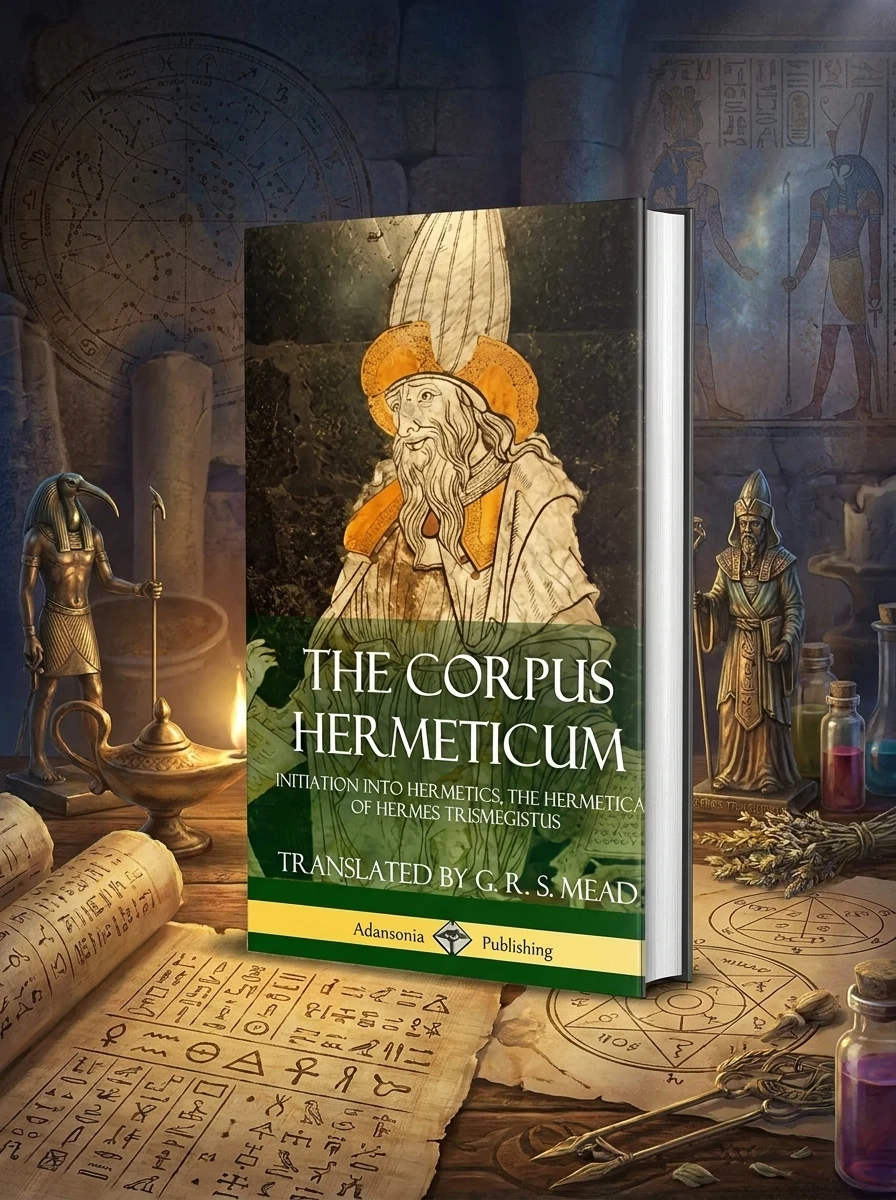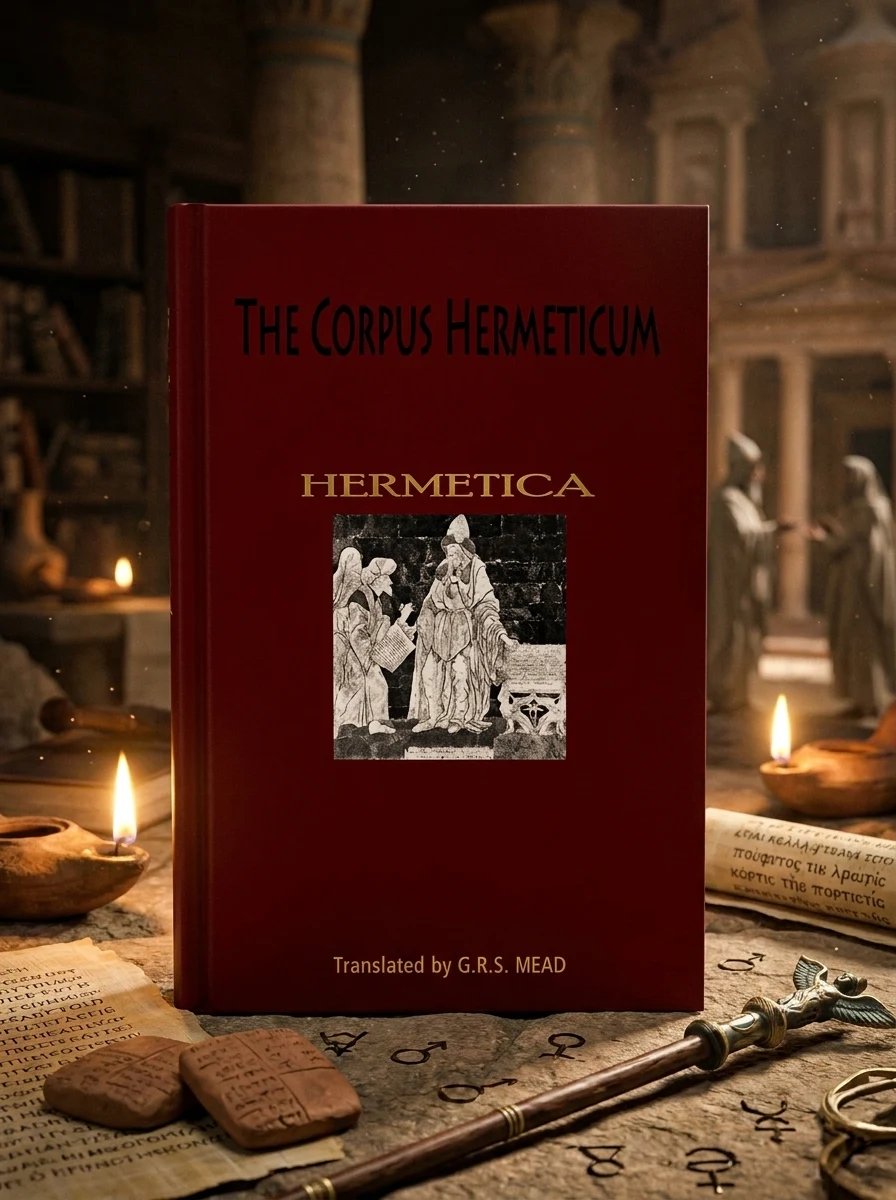
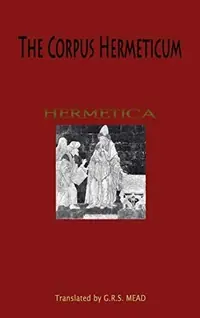
The Corpus Hermeticum
Mead, G R S

Stock reported in the catalog; fulfillment is confirmed with your request.
Uncover the ancient wisdom whispered by Hermes Trismegistus, guiding mind, body, and spirit.
Delve into this foundational collection of ancient Egyptian-Greek texts, dating from the second and third centuries AD, that profoundly shaped Western esotericism. Presented primarily as illuminating dialogues, these writings feature the legendary figure of Hermes Trismegistus guiding eager disciples. He imparts profound insights into the nature of reality, the divine, and the human condition, offering a unique spiritual philosophy that blends Hellenistic thought with Egyptian mysticism. This volume provides a gateway to understanding the philosophical bedrock of numerous mystical traditions.
This text stands as a foundational pillar of Western esotericism, emerging from the ancient Egyptian-Greek cultural synthesis of the second and third centuries AD. It serves as a primary source for understanding the philosophical bedrock of numerous mystical traditions through the lens of Hellenistic thought blended with Egyptian mysticism.


📝 Description: The Corpus Hermeticum
💎 Expert review
📖 Why choose it
Why this book is worth reading
Readers seeking the ancient roots of Western mysticism will find this volume indispensable. It offers a unique spiritual philosophy that blends Hellenistic thought with Egyptian mysticism, guiding the mind, body, and spirit through profound insights into reality and the divine. By presenting these teachings as illuminating dialogues between Hermes Trismegistus and his disciples, the text makes complex metaphysical concepts accessible yet deeply transformative. It is essential for those wishing to understand the philosophical underpinnings of later esoteric traditions, providing a gateway to wisdom whispered by legendary figures. This collection does not merely inform; it invites a deep engagement with the human condition and the nature of the divine, making it a vital resource for serious students of occult history and spiritual philosophy.
⭐ Reader reviews
Reader rating
Mead’s translation of The Corpus Hermeticum is a scholarly triumph, preserving the dialogue format that makes these ancient Egyptian-Greek texts so engaging. It provides a clear window into the second and third centuries AD, showing how Hellenistic and Egyptian ideas merged to shape Western esotericism. However, this book is not for casual readers or those seeking practical magic spells. Its dense philosophical nature and abstract discussions of the divine may frustrate readers looking for narrative plot or immediate spiritual results. It requires patience and a willingness to engage with complex metaphysical arguments. While invaluable for historians of religion and serious occultists, it lacks the accessibility needed for general audiences unfamiliar with Neoplatonic thought or ancient mysticism.
❓ Frequently asked questions
📖 Who should read this
If you're drawn to the wellsprings of Western mysticism, seek ancient keys to spiritual understanding, or wish to trace the lineage of Hermetic thought, this foundational work is essential. Prepare to engage with timeless wisdom that continues to resonate today.
🎯 Key themes and symbolism
Divine Revelation & Knowledge
At its core, the Hermetica presents a path to gnosis, or direct spiritual knowledge, often through divine revelation. Hermes Trismegistus acts as a conduit, unveiling hidden truths about the cosmos, the divine mind, and humanity's place within this grand design, inviting the reader to embark on their own journey of spiritual awakening.
Cosmic Order & Humanity
These texts explore the intricate relationship between the macrocosm and microcosm, positing a universe governed by divine principles. They delve into the human soul's journey, its connection to the divine, and the potential for spiritual ascent, offering a holistic view of existence and our role within it.
Dialogic Wisdom Transmission
The unique dialogical structure allows for a dynamic presentation of complex esoteric concepts. Through the questions of a disciple and the profound answers of Hermes, readers are invited to participate in an ancient conversation, making the profound teachings accessible and engaging, simulating a direct spiritual mentorship experience.
💬 Quotes from the book
“Consider, my son, the mind: it is that which sees God. For if the mind knows itself, it knows that which is beyond itself.”
“Tell me, Master, how then shall I seek this truth you speak of, which seems to reside beyond all earthly form?”
📜 Historical context
📚 Glossary
- Hermetism
- Hermes Trismegistus
- Gnosis
📔 Questions to reflect on
- How does the concept of a "divine mind" or "universal consciousness" resonate with your own understanding of reality?
- In what ways do you believe self-knowledge can lead to a deeper understanding of the spiritual or cosmic order?
- If you were a disciple conversing with Hermes Trismegistus, what fundamental question about existence would you ask him?
✍️ More books by this author Mead, G R S
All books by this author →

You might also like
See more →