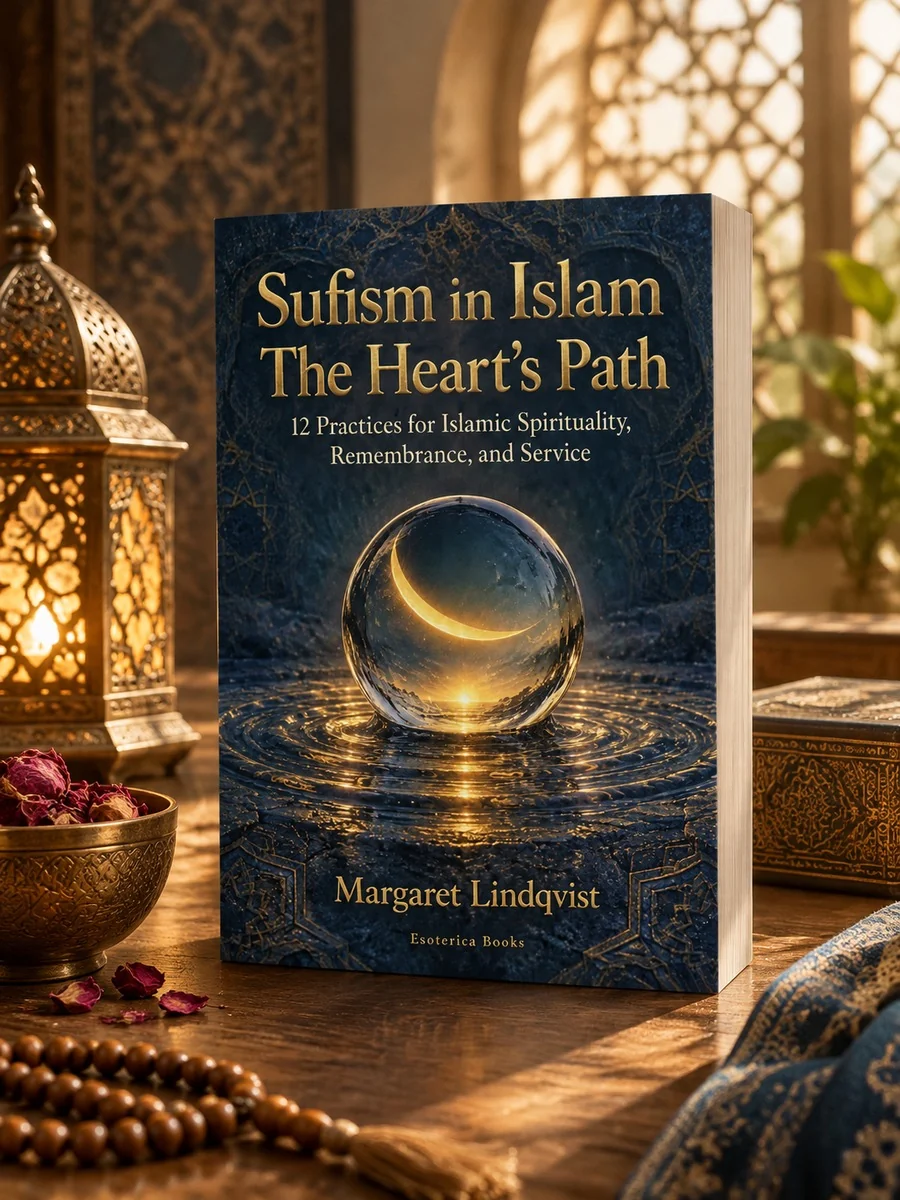
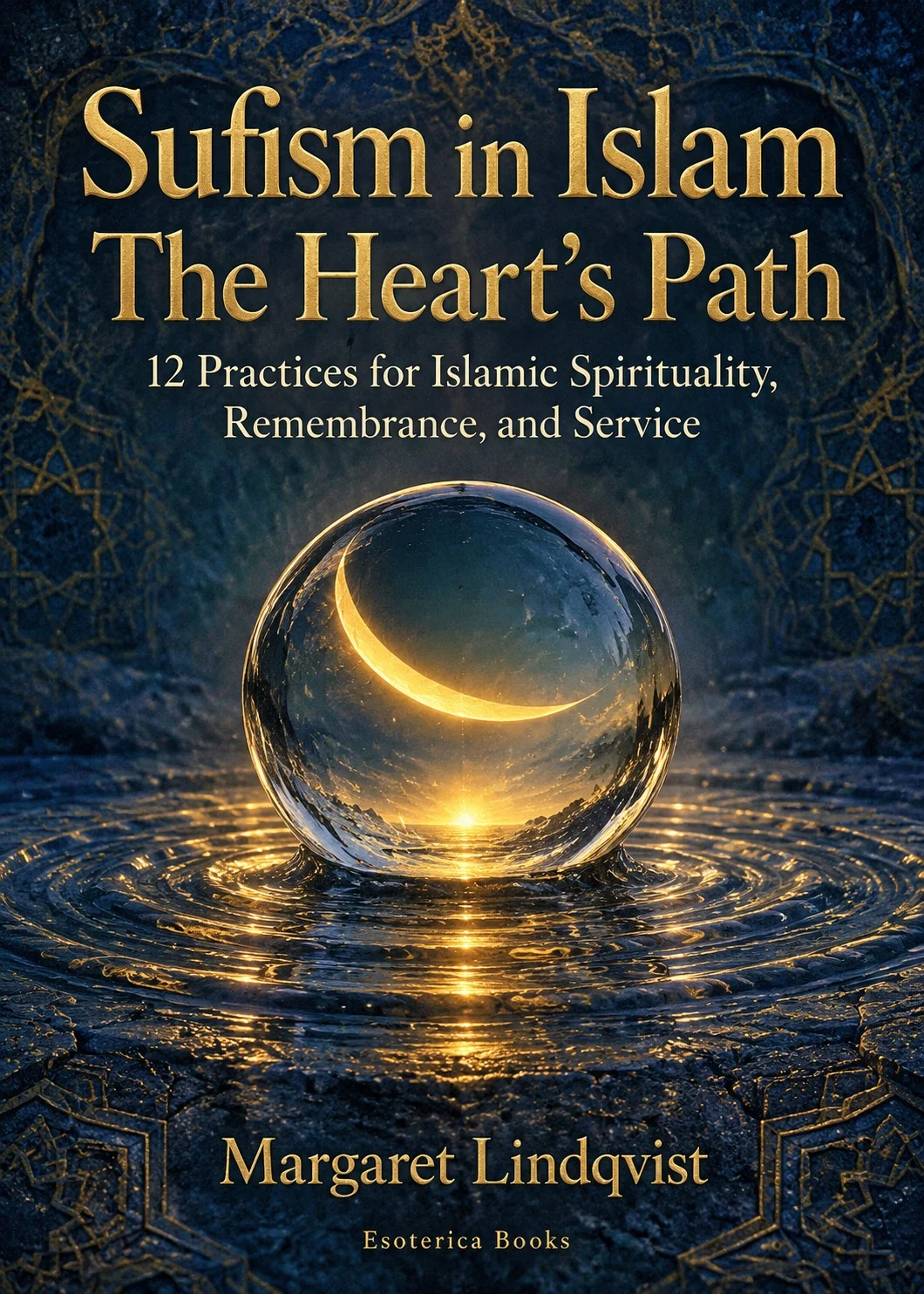
Sufism in Islam: The Heart's Path
Explore Sufism within Islam through twelve teachings on remembrance, humility, devotion, and everyday service.
What is Sufism in Islam, and how does its inward spiritual journey relate to the wider Muslim tradition? This accessible introduction explores Sufism as a dimension of Islamic spirituality rooted in the Quran and the example of Prophet Muhammad. Through twelve subjects and the five-step Heartward Path, readers encounter dhikr, divine love, sincerity, contemplation, spiritual teachers, and diverse Sufi communities. Practical reflection exercises connect these teachings with gratitude, patience, humility, and service, offering beginners a thoughtful foundation for understanding the relationship between faith, character, and the heart.
Sufism belongs within the wider Islamic tradition and draws upon the Quran and the example of Prophet Muhammad. Its communities, spiritual lineages, devotional customs, and interpretations are diverse, and no single Sufi practice represents every Muslim or every Sufi tradition.


📝 Description: Sufism in Islam: The Heart's Path
📖 Why choose it
Why this book is worth reading
Sufism is often introduced through poetry, mystical language, or isolated devotional customs, leaving beginners unsure how it fits into Islam. This book starts with that essential relationship and builds understanding through clearly defined concepts and approachable exercises. Its attention to dhikr, ihsan, adab, and the diversity of Sufi communities gives readers a useful vocabulary for further exploration. The strongest feature is its connection between inward devotion and outward conduct: remembering God also means considering how one treats other people.
⭐ Reader reviews
Reader rating
The strongest feature of this introduction is its clear positioning of Sufism within Islam. Rather than presenting mystical poetry or devotional customs in isolation, the preview connects remembrance, ihsan, spiritual refinement, and service with the foundations of Muslim faith. The Heartward Path gives the material a practical structure, and the opening exercise is particularly accessible: readers write an intention, explore three familiar expressions of dhikr, and examine their existing assumptions. The discussion of tariqas and spiritual teachers also acknowledges important differences between communities. One limitation is its deliberately introductory scope: readers seeking detailed theological debates, historical biographies, or comparative studies of individual Sufi orders will need more specialized reading.
❓ Frequently asked questions
📖 Who should read this
Ideal for beginners curious about Islam and Sufism, readers exploring Islamic spirituality, and anyone interested in the relationship between remembrance of God, spiritual character, and everyday Muslim life. Particularly useful for those who want clear explanations before exploring particular Sufi communities or teachings.
🎯 Key themes and symbolism
Islamic Spirituality
Divine Remembrance
Spiritual Refinement
Compassionate Service
📜 Historical context
📚 Glossary
- Sufism
- Dhikr
- Ihsan
- Tawhid
- Muraqabah
- Adab
📔 Questions to reflect on
- What does the idea of Sufism as the inward dimension of Islam change about the way I understand the relationship between faith and everyday life?
- Which expression of dhikr resonates most with my reflections: SubhanAllah, Alhamdulillah, or Allahu Akbar, and what does its meaning invite me to consider?
- How could I express sincerity, patience, gratitude, or humility more consistently through my responsibilities toward family, neighbors, and community?
📖 Read on the blog
✍️ More books by this author Margaret Lindqvist





🏛 Books from this publisher Esoterica Books
All books from this publisher →







You might also like
See more →
Have a question about this item?
Ask about the edition, condition, delivery or anything else — we reply by email or phone, usually within a day.
