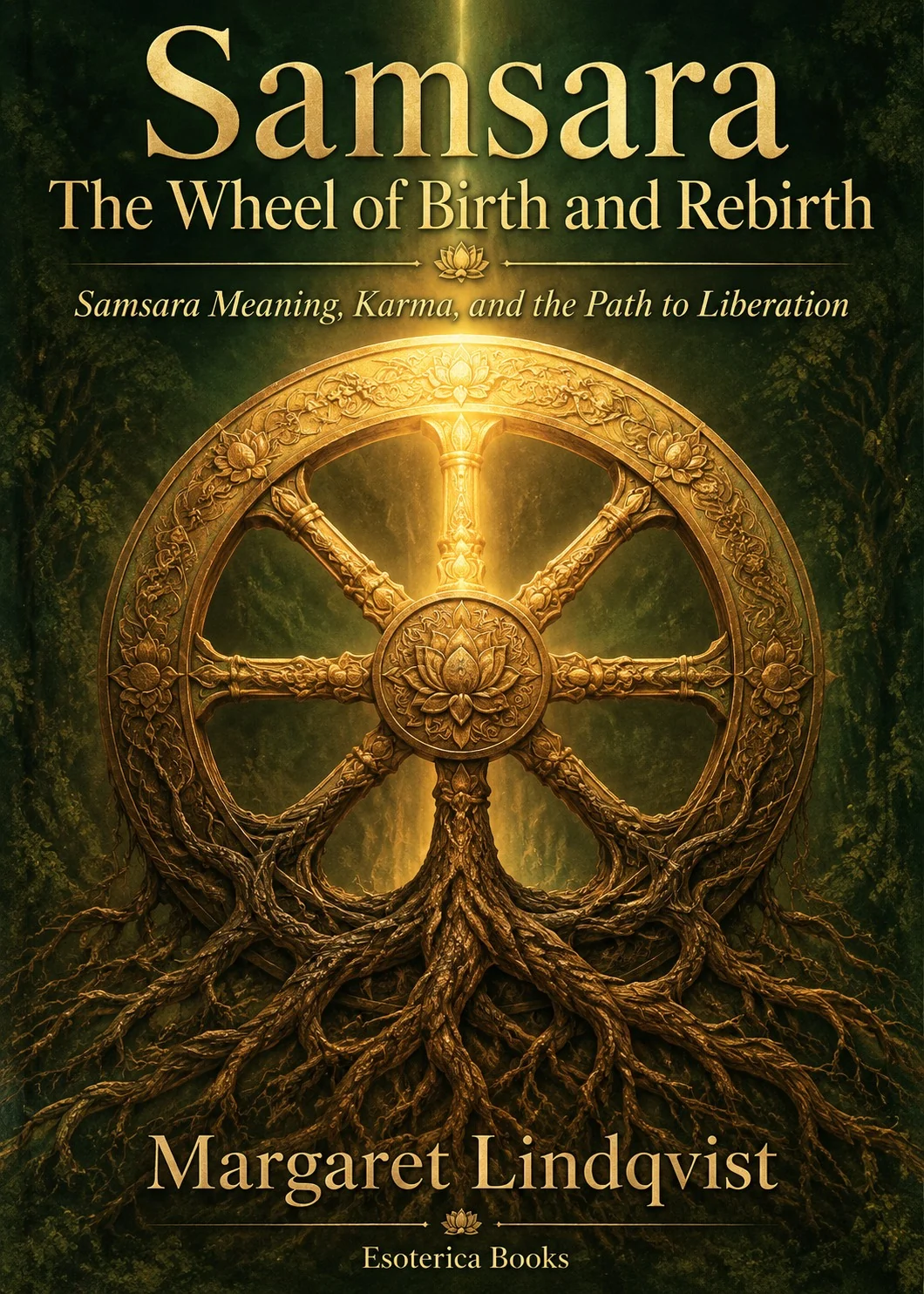
Samsara: The Wheel of Birth and Rebirth
Explore samsara through The Turning Wheel: a five-step method for self-reflection on patterns, karma, and liberation.
This book offers a clear, accessible introduction to the concept of samsara as found in Hindu and Buddhist traditions. It distinguishes between atman and anatta, explains karma as intentional action rather than fate, and outlines paths to moksha and nirvana. Through The Turning Wheel method, readers engage in guided journaling and contemplation to recognize recurring patterns, examine attachment, and consider ethical living, providing a structured framework for personal spiritual reflection without making guarantees of outcome.
Samsara is a foundational concept in Indian religions, describing the cyclic nature of existence. It is understood differently across traditions, with Hinduism often focusing on the soul's journey toward unity with the ultimate reality, and Buddhism emphasizing the cessation of suffering through the realization of not-self.


📝 Description: Samsara: The Wheel of Birth and Rebirth
📖 Why choose it
Why this book is worth reading
You will gain a clear, uncluttered understanding of samsara, karma, and liberation without dogma or confusion. The Turning Wheel method provides concrete tools, like specific journal layouts and reflective questions, to examine your own habits and attachments. It respects the distinctiveness of Hindu and Buddhist traditions while offering a practical framework for personal insight into how choices shape experience.
⭐ Reader reviews
Reader rating
This preview offers a precise and accessible introduction to samsara, clearly distinguishing between Hindu and Buddhist frameworks without conflating them. The 'Turning Wheel' exercise is concrete and immediately usable, providing a tangible tool for self-reflection. However, the preview cuts off before detailing the 'Release' and 'Awaken' steps, leaving the full scope of the method unclear. Additionally, while it mentions the six realms, it does not yet explain their symbolic interpretation in depth, which might leave some readers wanting more cosmological context early on.
❓ Frequently asked questions
📖 Who should read this
Readers interested in understanding the philosophical differences between Hindu and Buddhist views on rebirth and self, particularly those seeking a structured method for personal reflection on their own life patterns and attachments.
🎯 Key themes and symbolism
Samsara meaning
Karma and intention
Atman versus anatta
Paths to liberation
📜 Historical context
📚 Glossary
- Samsara
- Karma
- Atman
- Anatta
- Moksha
- Nirvana
📔 Questions to reflect on
- What recurring pattern in my daily life feels like a wheel that keeps turning, and what desire fuels it?
- How might viewing my actions as intentional karma, rather than fate, change my approach to this specific habit?
- In what ways do I cling to a fixed identity or expectation, and how does that attachment sustain my dissatisfaction?
📖 Read on the blog
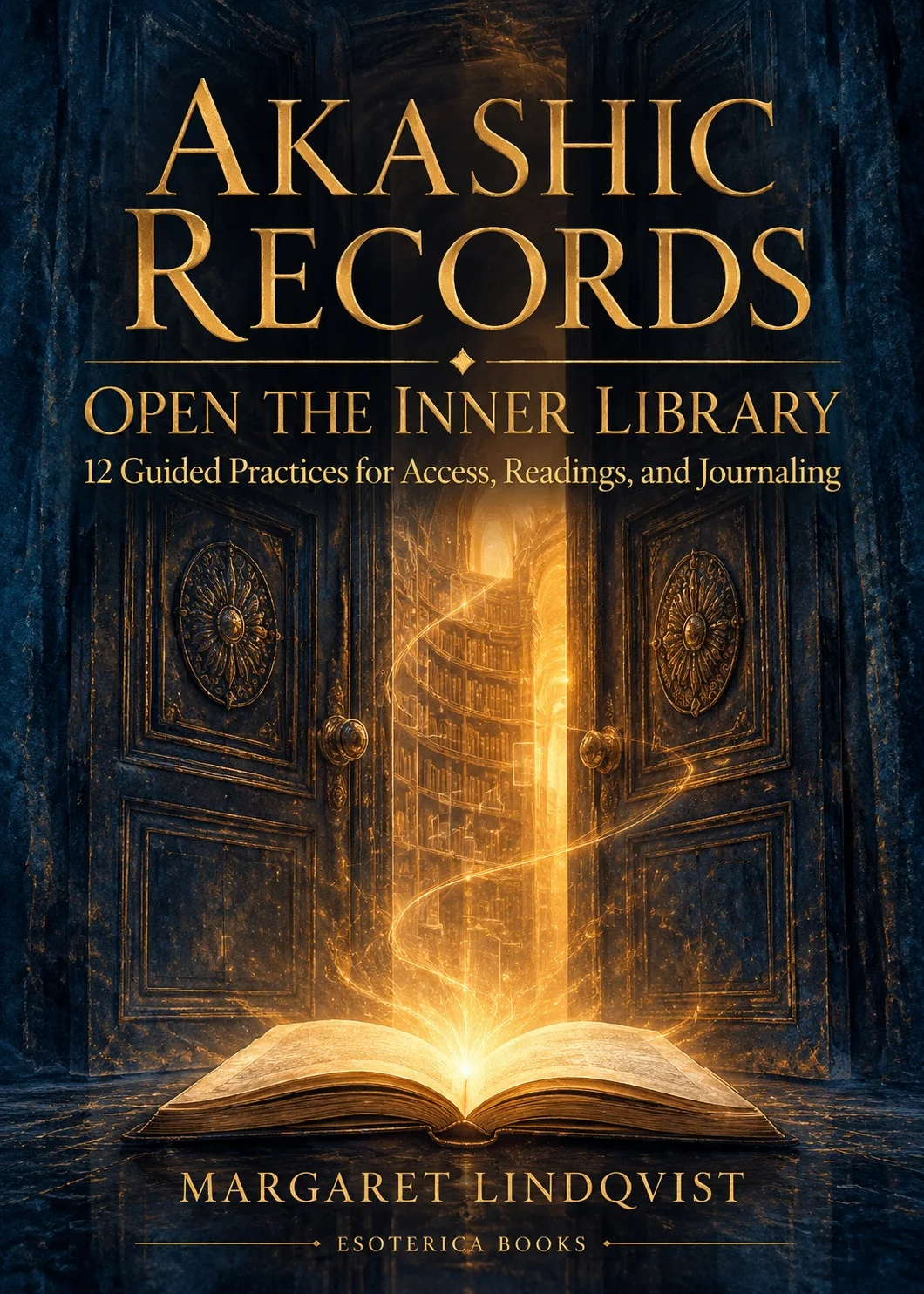
✍️ More books by this author Margaret Lindqvist


🏛 Books from this publisher Esoterica Books
All books from this publisher →
You might also like
See more →
Have a question about this item?
Ask about the edition, condition, delivery or anything else — we reply by email or phone, usually within a day.
