US shipping Secure card payment Occult and esoteric books

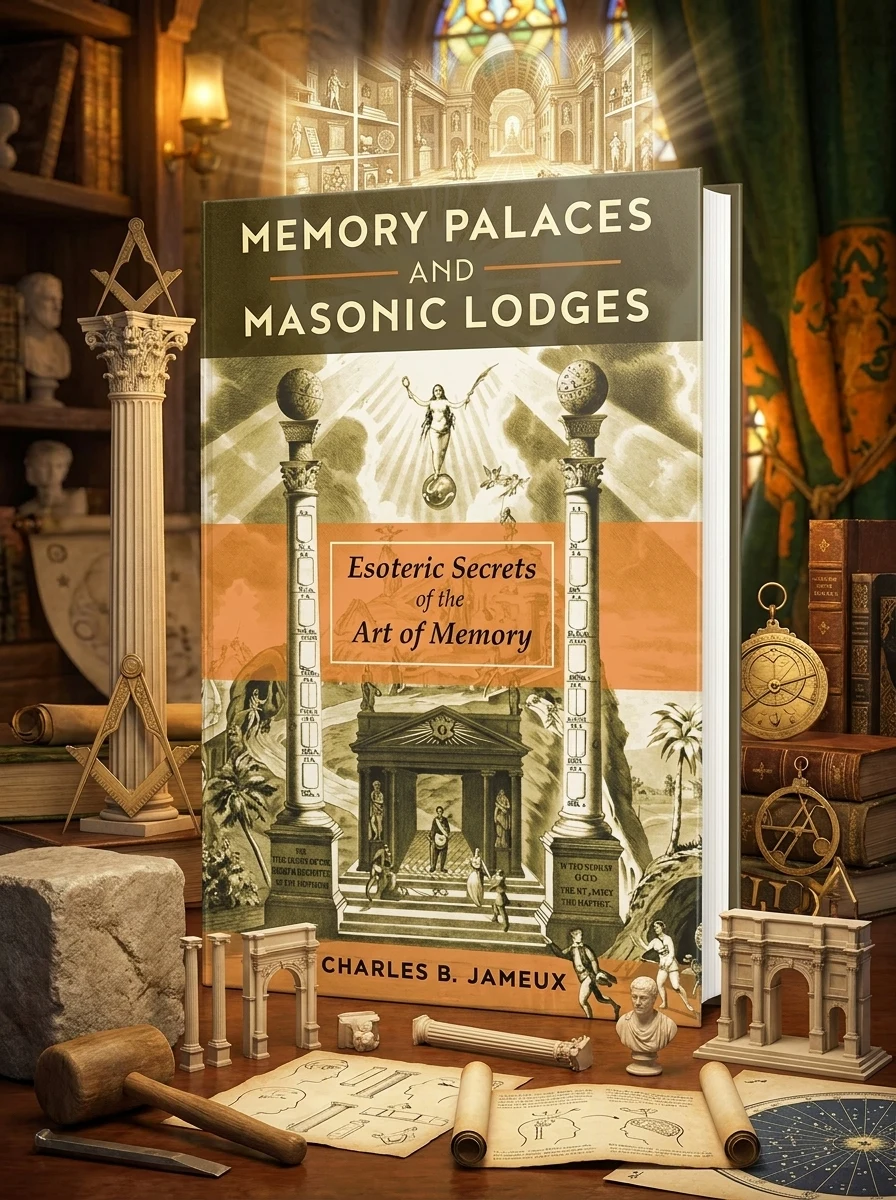
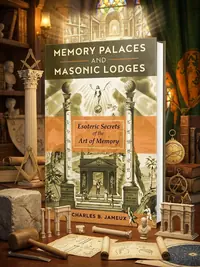
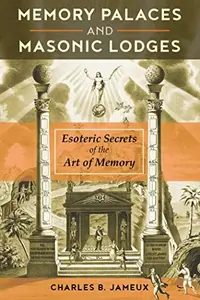
Memory Palaces and Masonic Lodges: Esoteric Secrets of the Art of Memory

Jameux, Charles B
Reader rating
4.5
(1 reviews) 149 sold
Availability to be confirmed

This edition can be ordered. No arrival date is confirmed.

📚 ABOUT THE BOOK

Uncover the hidden links between ancient memory techniques and the very foundations of Freemasonry.

Charles B. Jameux meticulously unveils the profound connection between the ancient art of memory and the genesis of Freemasonry. This insightful work traces how classical mnemonic systems, initially oratorical tools, were reinterpreted by Renaissance hermeticists into sophisticated "memory palaces" for spiritual and intellectual advancement. Jameux demonstrates how these techniques were instrumental in forging speculative Freemasonry, pushing its origins back to 1637. Discover how these intricate mental constructs served not only as knowledge repositories but also as symbolic blueprints for the Masonic temple, revealing a deeper, esoteric lineage.

Key themes
The Art of Memory's Evolution Hermetic Influence on Memory Masonic Origins Reimagined
Historical context

This work situates itself within the esoteric history of Freemasonry and Renaissance hermeticism, exploring the intersection of classical rhetoric and spiritual development. It bridges ancient mnemonic traditions with the symbolic architecture of speculative Masonry.

Difficulty
●●● Demanding
Fans will love it
Frances Yates · Friedrich Kittler · Carl Jung
🕯️ Occult Philosophy
🏛 Inner Traditions International 📅 2019 📖 128 pages 📔 Paperback 📐 Paperback ISBN: 9781620557884
Fun fact
Jameux offers a compelling, meticulously researched argument that brilliantly bridges the ancient art of memory with the esoteric foundations of Freemasonry. This book excels in its intellectual rigor and its audacious redating of speculative lodges. While not a casual read for the uninitiated, it's essential for scholars and serious students of hermeticism and Masonic history, though those seeking a broad survey of either topic might find its focus too narrow.

📝 Description: Memory Palaces and Masonic Lodges: Esoteric Secrets of the Art of Memory

Reveals how the art of memory is the origin of the Masonic method - Explains the classical techniques of the art of memory, how they were reworked by hermetic thinkers during the Renaissance, and how they contributed to the transformation of operative Freemasonry into speculative Freemasonry - Traces the creation of speculative Freemasonry to 1637, one hundred years earlier than previously thought - Explores how the "memory palaces" created with the art of memory enabled access to universal knowledge as well as represented the Masonic temple in its imaginary state In Antiquity, the art of memory was a mnemonic device that allowed an orator, such as Cicero, to recall all the points he wished to make by associating each of them with an image or architectural element in the site he was speaking. When this art was rediscovered in the Renaissance, hermetic thinkers like Giordano Bruno reworked it into a method that allowed them to acquire knowledge with the creation of "memory palaces." The elements of these memory palaces were not intended to trigger the memory but would actually transform into talismanic objects with knowledge entirely new to the seeker. In this book, Charles B. Jameux shows that this hermetic reworking of the classical art of memory was no mystery to operative Masons, who grafted it onto their own rituals, catalyzing the transformation of operative Masonry into speculative Masonry. He shows how the hieroglyphic writing used during the Renaissance in the art of memory provided the groundwork for one of the most esoteric elements of masonic practice: the grasp of the realm of image by the letter, where symbols were "buried" within words. Using archival evidence from 17th-century Scotland and earlier, combined with the research of modern scholars such as Frances Yates and David Stevenson, Jameux argues that the creation of speculative Freemasonry can be traced back 100 years earlier than conventional history records--to 1637, when the first recorded use of the Mason's Word appeared and with it, the first known appearance of the symbolic Temple of Solomon. He follows Giordano Bruno's visit to the British Isles in the late 16th century and the subsequent activities of the men he met there, showing that Masonic symbolism owes much of its current form to early memory palaces, which represented the Masonic lodge and temple in their fully imaginary states. Revealing the pivotal role of the memory palace and hermetic traditions in early Masonic symbolism, Jameux sheds new light on the Masonic questions asked of each initiate and the spiritual importance of the Temple of Jerusalem to Freemasonry.

💎 Expert review

💎
Esoterica Books editorial team
Occult literature desk
Jameux delivers a meticulous academic investigation into the genesis of Freemasonry through the lens of the art of memory. While intellectually stimulating for those versed in hermeticism and rhetorical history, it may not suit readers seeking practical Masonic instruction or simple historical narratives. The dense focus on Renaissance reinterpretations of classical systems requires patience and prior knowledge of esoteric traditions. It is best appreciated by those interested in the philosophical underpinnings of symbolic structures rather than ceremonial details. Ultimately, it serves as a specialized resource for understanding the intellectual frameworks that influenced speculative Freemasonry, appealing to a scholarly audience rather than casual enthusiasts.
✓ EDITOR'S REVIEW

📖 Why choose it

📖

Why this book is worth reading

Readers fascinated by the hidden intellectual architectures of Western esotericism will find this book particularly rewarding. Jameux offers a rigorous exploration of how mnemonic systems evolved from mere oratorical aids into profound spiritual tools for Renaissance hermeticists. If you are intrigued by the idea that mental constructs serve as symbolic blueprints for Masonic temples, this text provides essential context. It is ideal for scholars and practitioners seeking to understand the esoteric lineage of Freemasonry beyond surface-level rituals. By tracing origins back to 1637, it reveals how these techniques forged speculative traditions, offering a deep dive into the secret connections between memory, knowledge, and spiritual advancement that define this niche historical period.

⭐ Reader reviews

The starting rating comes from the team Esoterica Books —
⭐ Esoterica editorial review Editorial rating 4.6/5
★★★★
If you're a seeker fascinated by the hidden currents of Western esotericism, the origins of secret societies, or the transformative power of ancient wisdom, this book is for you. Uncover the intellectual lineage connecting classical mnemonic arts to the symbolic heart of Freemasonry.

Reader rating

4.5
Based on 1 reviews
5
0
4
1
3
0
2
0
1
0
E
Esoterica Books editorial team

Jameux delivers a meticulous academic investigation into the genesis of Freemasonry through the lens of the art of memory. While intellectually stimulating for those versed in hermeticism and rhetorical history, it may not suit readers seeking practical Masonic instruction or simple historical narratives. The dense focus on Renaissance reinterpretations of classical systems requires patience and prior knowledge of esoteric traditions. It is best appreciated by those interested in the philosophical underpinnings of symbolic structures rather than ceremonial details. Ultimately, it serves as a specialized resource for understanding the intellectual frameworks that influenced speculative Freemasonry, appealing to a scholarly audience rather than casual enthusiasts.

❓ Frequently asked questions

It's an ancient mnemonic system, perfected by figures like Cicero, where information is mentally stored and retrieved by associating it with specific locations or architectural features within an imagined space, often called a "memory palace."
It proposes that the esoteric underpinnings and symbolic structure of speculative Freemasonry are directly descended from the Hermetically reinterpreted art of memory, pushing its foundational date back to 1637, a century earlier than traditionally believed.

📖 Who should read this

If you're a seeker fascinated by the hidden currents of Western esotericism, the origins of secret societies, or the transformative power of ancient wisdom, this book is for you. Uncover the intellectual lineage connecting classical mnemonic arts to the symbolic heart of Freemasonry.

🎯 Key themes and symbolism

The Art of Memory's Evolution

Explores the journey of mnemonic techniques from ancient oratorical aids to complex Renaissance hermetic "memory palaces." It details how what began as a simple recall method became a profound system for acquiring esoteric knowledge and spiritual transformation, reshaping understanding of the mind's potential.

Hermetic Influence on Memory

Examines how Renaissance thinkers, particularly those steeped in hermetic traditions, reimagined the art of memory. This transformation imbued mental constructs with talismanic qualities, moving beyond mere recall to create pathways for accessing universal wisdom and personal enlightenment, far exceeding its original practical purpose.

Masonic Origins Reimagined

Challenges conventional timelines by presenting compelling evidence that speculative Freemasonry emerged as early as 1637, a century before generally accepted. It reveals how the symbolic architecture of "memory palaces" directly inspired and informed the foundational principles and esoteric structure of the Masonic lodge.

💬 Quotes from the book

“The transformation of the classical art of memory from a mere oratorical aid into a sophisticated hermetic tool reveals a profound shift in intellectual history, laying the groundwork for a new understanding of knowledge acquisition.”

“By meticulously tracing the lineage of symbolic architecture within these evolving memory systems, we can discern the precise moment when the conceptual framework of the Masonic lodge began to take shape, far earlier than commonly acknowledged.”

📜 Historical context

This work situates itself within the rich intellectual tradition exploring the Renaissance's hermetic revival and its profound impact on subsequent esoteric currents. It offers a fresh perspective on how ancient mnemonic practices, once thought secular, became a crucible for alchemical thought and the very blueprint for emergent secret societies, redefining the timeline of speculative Freemasonry.

📚 Glossary

Art of Memory
Hermetism
Speculative Freemasonry

📔 Questions to reflect on

  1. How might integrating ancient memory techniques alter your own approach to learning or spiritual contemplation?
  2. Consider the power of symbolic architecture. In what ways do imagined spaces influence our understanding of reality or esoteric concepts?
  3. If speculative Freemasonry indeed has earlier, more esoteric roots, what implications does this have for its contemporary practice and historical perception?

🏛 Books from this publisher Inner Traditions International

All books from this publisher →
You might also like

See more →