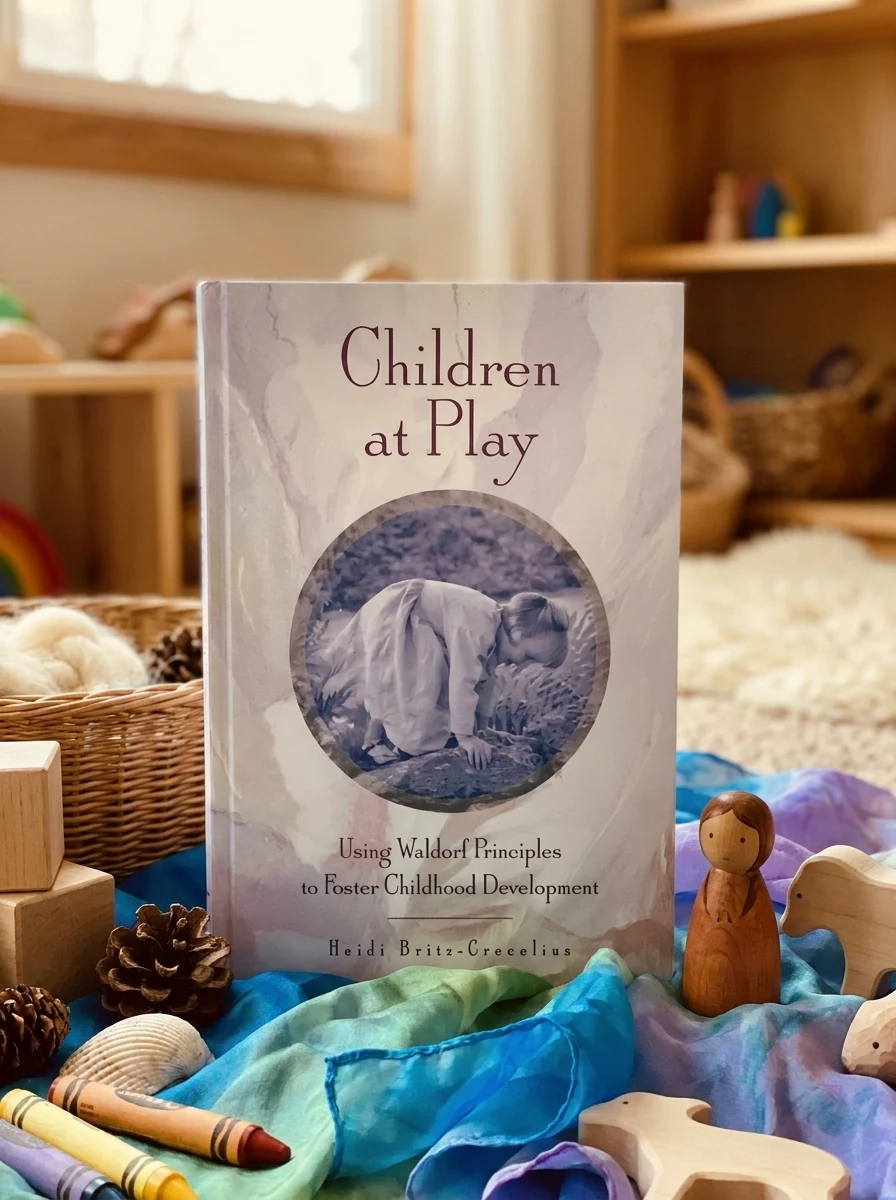
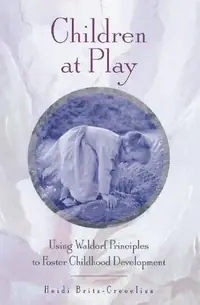
Children at Play: Using Waldorf Principles to Foster Childhood Development (Original)


This edition can be ordered. No arrival date is confirmed.
Play is the sacred bridge between childhood wonder and adult maturity.
Heidi Britz-Crecelius illuminates the profound spiritual architecture of childhood through the lens of Waldorf pedagogy. She argues that unstructured, imaginative play is not mere recreation but essential preparation for societal integration. By prioritizing natural materials and open-ended toys over rigid academic pressure, parents can nurture a child's cognitive mobility. The text explores how these early experiences allow the spirit to inhabit the body, fostering a deep connection to the broader cosmos. This guide offers practical strategies for educators and mothers to support developmental stages without the heavy burden of premature schooling, ensuring the child's inner life remains vibrant and whole.
This work sits firmly within the anthroposophical and Waldorf educational traditions, bridging esoteric spiritual philosophy with practical child-rearing methodologies. It reflects a mid-to-late 20th-century counter-movement against rigid academic pressures by reviving holistic developmental theories.


📝 Description: Children at Play: Using Waldorf Principles to Foster Childhood Development (Original)
💎 Expert review
📖 Why choose it
Why this book is worth reading
Parents and educators seeking to nurture a child’s spiritual and cognitive wholeness will find profound value in this guide. It offers a vital alternative to premature academic rigor, emphasizing that unstructured play is the sacred bridge to maturity. By prioritizing natural materials and open-ended toys, readers learn to support developmental stages without burdening the inner life. This book is essential for those who wish to maintain childhood wonder while preparing children for societal integration through spiritual architecture rather than rigid instruction.
⭐ Reader reviews
Reader rating
Britz-Crecelius provides a compelling spiritual framework for Waldorf principles, viewing play as essential preparation for adulthood. The text effectively argues for cognitive mobility through natural materials. However, it does not suit parents seeking quick, tactical fixes or those skeptical of anthroposophical concepts. Readers expecting hard scientific data on developmental psychology may find the focus on 'spirit inhabiting the body' too abstract. It is best appreciated by those already inclined toward holistic education and willing to embrace a philosophical approach to childhood development.
❓ Frequently asked questions
📖 Who should read this
Parents seeking alternatives to early academic pressure and educators interested in holistic, spiritual approaches to child development.
🎯 Key themes and symbolism
Waldorf pedagogy
Natural materials
Spiritual development
💬 Quotes from the book
“The more they are allowed to be absorbed in their play, the more fully and effectively they will later take their place in the community of adults.”
“The child's innermost being is directly related to the all-embracing world of spirit.”
📜 Historical context
📚 Glossary
- Anthroposophy
- Natural Materials
- Premature Schooling
📔 Questions to reflect on
- What natural materials do you have on hand that could spark unstructured creativity today?
- How does your current environment support or hinder the child's need for spiritual connection?
- In what ways can you reduce academic pressure to allow for deeper imaginative engagement?
🏛 Books from this publisher Inner Traditions International
All books from this publisher →




You might also like
See more →