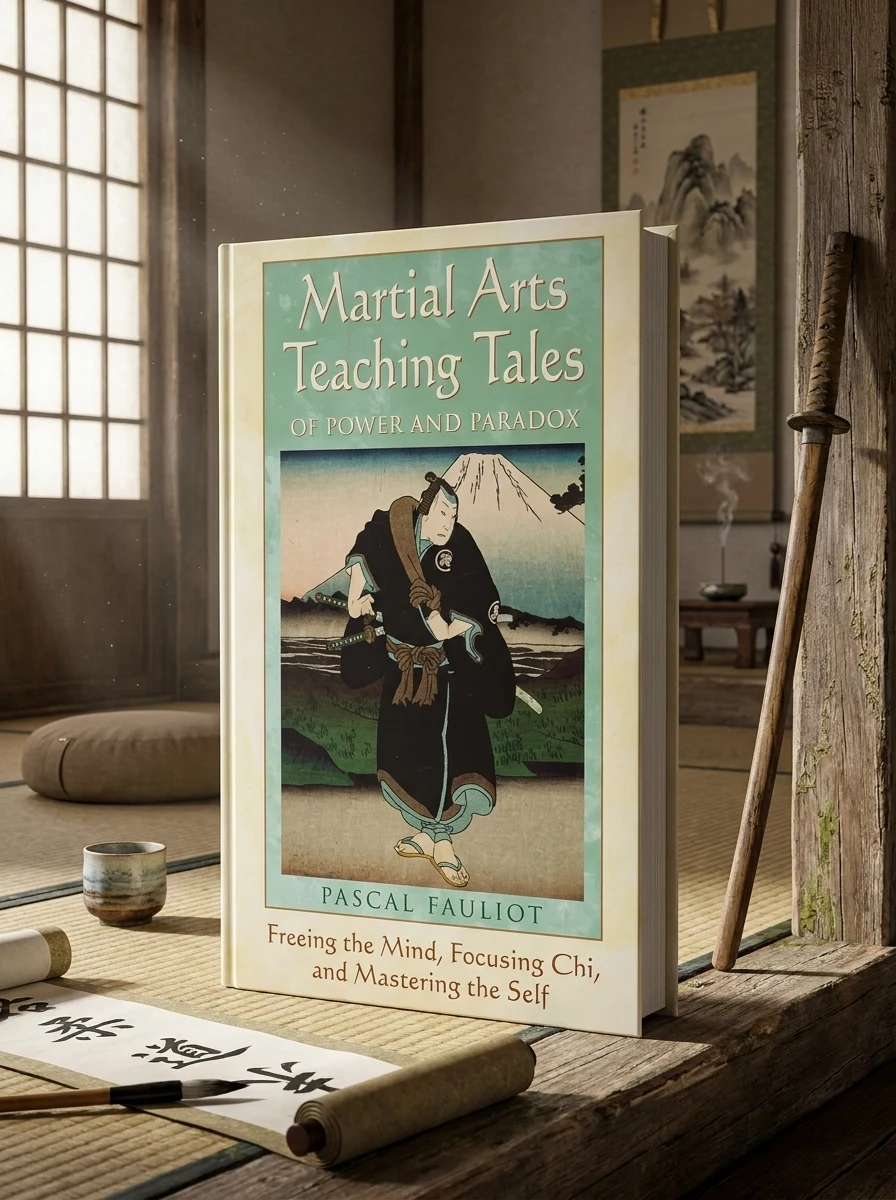
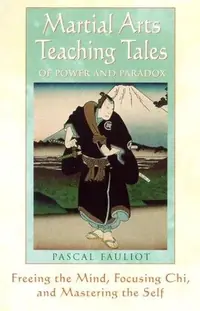
Martial Arts Teaching Tales of Power and Paradox: Freeing the Mind, Focusing Chi, and Mastering the Self (Us)


This edition can be ordered. No arrival date is confirmed.
Unveil the spiritual heart of martial arts through paradoxical tales of self-mastery and Zen insight.
Pascal Fauliot curates a collection of Eastern parables that transcend physical combat to explore the metaphysical dimensions of discipline. Drawing from Japanese and Chinese masters, these narratives serve not as moral instruction but as catalysts for deep inquiry. The text argues that true mastery requires conquering the ego before the opponent. Readers encounter stories where the sword is unnecessary, and reality is perceived through the lens of subtle energetic laws. This volume bridges the gap between athletic technique and spiritual awakening, offering a profound meditation on the interplay of chi, mind, and self.
This work sits within the tradition of esoteric martial arts literature that bridges Eastern Zen philosophy and Western occult inquiry, specifically through the lens of Inner Traditions International's catalog. It draws heavily on Japanese and Chinese masters to explore metaphysical dimensions of discipline rather than physical combat techniques.


📝 Description: Martial Arts Teaching Tales of Power and Paradox: Freeing the Mind, Focusing Chi, and Mastering the Self (Us)
💎 Expert review
📖 Why choose it
Why this book is worth reading
Readers seeking to transcend the physical boundaries of martial arts will find profound value in this collection, which serves as a catalyst for deep inquiry into self-mastery and spiritual awakening. It is ideal for those who feel that traditional athletic training lacks a metaphysical dimension or who are eager to explore the subtle energetic laws governing reality. By presenting narratives where the sword becomes unnecessary, the book appeals to practitioners of Zen, chi work, and esoteric philosophy who wish to conquer the ego before engaging any opponent. It offers a unique bridge between athletic technique and inner peace, inviting the reader to view discipline not as moral instruction but as a pathway to freeing the mind and focusing the self through paradoxical wisdom.
⭐ Reader reviews
Reader rating
Honestly wasn't sure what to expect, but I'm impressed. It's become a regular reference in my practice.
Ordered this after seeing it referenced in another book I was studying. Some sections stopped me cold in the best way. Deserves a place on any esoteric bookshelf.
Exactly what I was looking for. Every rereading turns up something I missed. I found myself reading passages aloud just to sit with them. Good, with the caveats above.
I collect works on this subject and this is a worthy addition. Some sections stopped me cold in the best way. The language takes some getting used to, but it becomes part of the charm. My only regret is not ordering it sooner.
Honestly wasn't sure what to expect, but I'm impressed. It's become a regular reference in my practice. A few pages arrived with light corner wear, though nothing serious.
Bought this as a gift for my sister and ended up ordering a second copy for myself. The typesetting is comfortable for study, with good margins for notes. I found myself reading passages aloud just to sit with them. A few pages arrived with light corner wear, though nothing serious. Recommended with reservations.
Exactly what I was looking for. It pairs well with more modern commentaries on the same tradition. Recommended if you're ready to do the work.
Pascal Fauliot presents a compelling curation of Eastern parables that successfully shift the focus from combat efficacy to spiritual insight. The text is intellectually stimulating for those interested in the interplay of chi, mind, and self, offering a refreshing departure from standard technical manuals. However, this volume will likely frustrate readers seeking practical fighting advice or step-by-step instructional guides on physical techniques. It may also disappoint those who prefer direct, dogmatic spiritual teachings over indirect, paradoxical narratives designed to provoke inquiry rather than provide answers. Ultimately, it is a meditation on mastery that requires patience and an openness to abstract philosophy rather than concrete application.
❓ Frequently asked questions
📖 Who should read this
Seek those drawn to the spiritual undercurrents of martial arts, practitioners of Zen, and readers fascinated by the intersection of Eastern philosophy and physical discipline.
🎯 Key themes and symbolism
Self-mastery over combat
Zen and Taoist philosophy
Paradoxical wisdom
💬 Quotes from the book
“He who has mastered the Art doesn't use his sword: he compels his adversary to kill himself.”
“These teaching stories are not moral fables; in fact they have nothing to prove.”
📜 Historical context
📚 Glossary
- Chi
- Paradox
- Apprenticeship
📔 Questions to reflect on
- Where in your life do you rely on force rather than understanding?
- How does the concept of 'non-action' apply to your personal challenges?
- What contradictions in your beliefs might actually point toward a deeper truth?
🏛 Books from this publisher Inner Traditions International
All books from this publisher →


You might also like
See more →