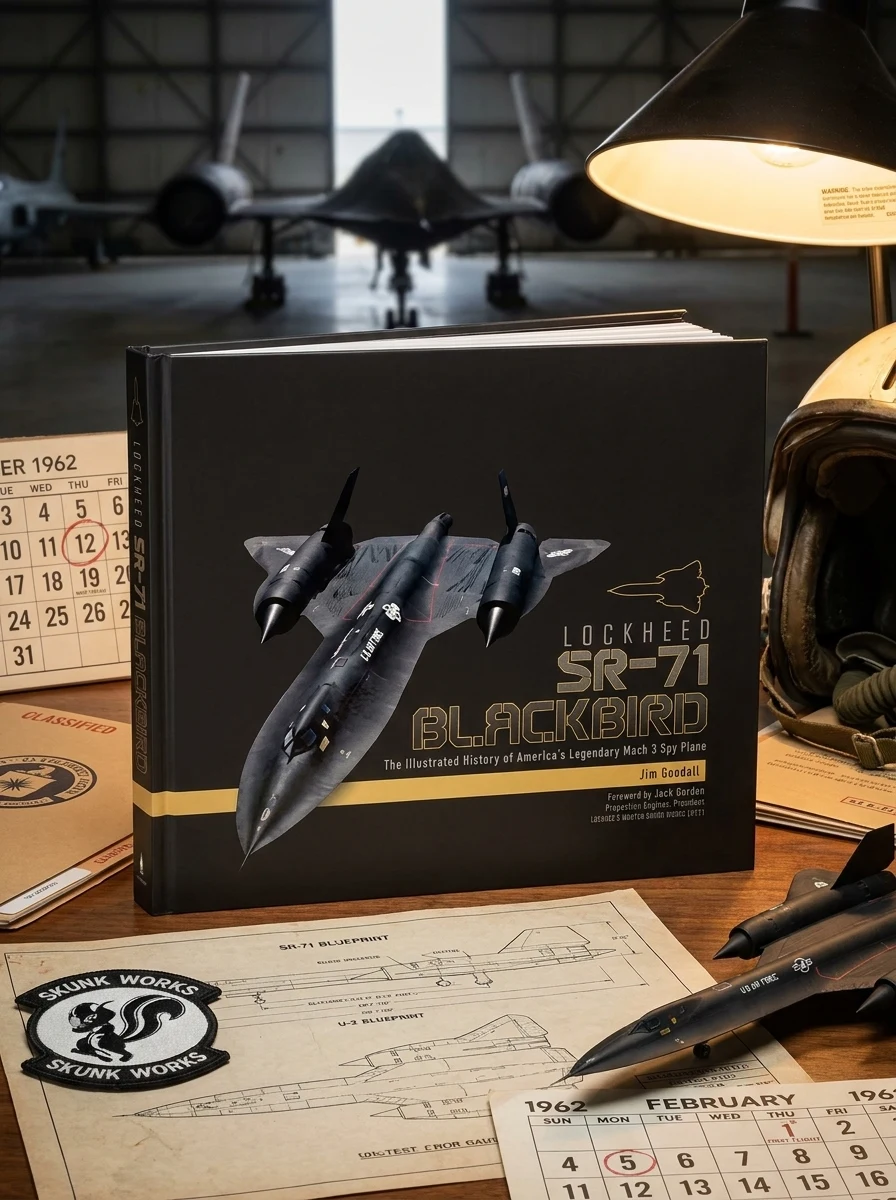
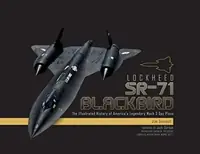
Lockheed SR-71 Blackbird: The Illustrated History of America's Legendary Mach 3 Spy Plane
This edition can be ordered. No arrival date is confirmed.
Unveil the secret history of the sky's fastest, most elusive spy plane in stunning detail.
This volume chronicles the entire lifecycle of the SR-71 Blackbird, from its rapid genesis at Lockheed’s Skunk Works to its final retirement. It details the engineering marvels that enabled Mach 3 flight and covers all fifty airframes produced. With over 700 rare images and original photography, it dissects the A-12 prototype through operational service, offering a comprehensive look at the Cold War’s most advanced aerial espionage platform.
This volume sits at the intersection of military aviation history and Cold War technological espionage, documenting the engineering triumphs of the Skunk Works era. It serves as a detailed archival record of America's most advanced aerial reconnaissance capabilities during a period of intense geopolitical tension.


📝 Description: Lockheed SR-71 Blackbird: The Illustrated History of America's Legendary Mach 3 Spy Plane
💎 Expert review
📖 Why choose it
Why this book is worth reading
Aviation enthusiasts and history buffs will find immense value in this comprehensive chronicle of the SR-71 Blackbird. Readers fascinated by engineering marvels and Cold War espionage will appreciate the detailed lifecycle analysis from prototype to retirement. The inclusion of over 700 rare images offers a visual feast for those who enjoy technical aesthetics. It appeals to anyone interested in the intersection of speed, stealth, and state secrecy. The book provides a deep dive into the fifty airframes produced, satisfying curiosity about specific operational histories. It is perfect for collectors of military history who desire a richly illustrated narrative that balances technical specifications with historical context without becoming overly dry or academic.
⭐ Reader reviews
Reader rating
Took a chance on this and glad I did. Plenty of passages worth underlining; my copy is already full of margin notes. Recommended if you're ready to do the work.
While this book excels as a visual and factual archive, it may disappoint readers seeking dramatic narrative flair or personal pilot anecdotes. The focus remains strictly on the engineering lifecycle and operational service of all fifty airframes, which can feel dense for those preferring storytelling over technical exposition. It is not suited for casual readers looking for quick, light entertainment or those uninterested in Cold War military hardware. However, for serious students of aerospace history, the depth and photographic quality are undeniable assets that justify its place in any specialized collection.
❓ Frequently asked questions
📖 Who should read this
Aviation historians, military tech enthusiasts, and Cold War scholars will appreciate this deep dive. It suits readers who value technical accuracy and rare archival photography over narrative drama.
🎯 Key themes and symbolism
Skunk Works Engineering
The text explores how Lockheed’s secretive division bypassed conventional bureaucratic delays to design, build, and test a revolutionary aircraft in just thirty-two months, focusing on materials science and aerodynamic innovation.
Cold War Espionage
It positions the Blackbird not just as a machine, but as a geopolitical tool, detailing its role in replacing the U-2 and gathering intelligence during a period of intense superpower tension.
Visual Documentation
The book prioritizes visual evidence, utilizing hundreds of color and black-and-white photographs to illustrate technical modifications, flight tests, and the sheer scale of the aircraft's operational history.
💬 Quotes from the book
“From the first flight in 1962 to the last in 1999, the Blackbird remained the world's only operational Mach 3 aircraft.”
“Lockheed went from contract signing to first flight in only thirty-two months.”
📜 Historical context
📚 Glossary
- Skunk Works
- Radar Cross Section
- Low Observables
📔 Questions to reflect on
- How does the sheer speed of the SR-71 change the nature of espionage compared to slower reconnaissance?
- What ethical implications arise from building a machine designed to operate in the shadows of international airspace?
- In what ways does the 'Skunk Works' model of development differ from modern aerospace manufacturing?
🏛 Books from this publisher Schiffer Publishing
All books from this publisher →
 89
89





You might also like
See more → 91
91


 91
91
 91
91
 91
91

 91
91