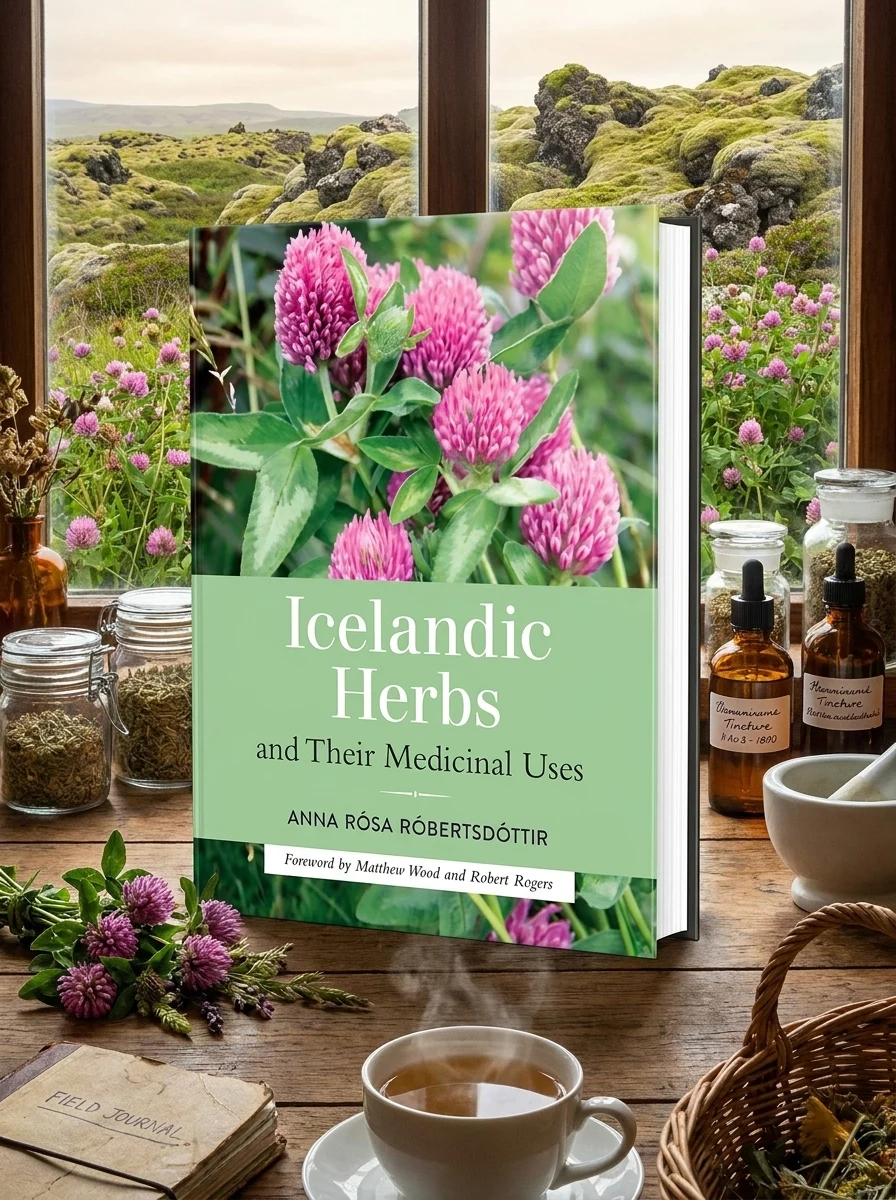
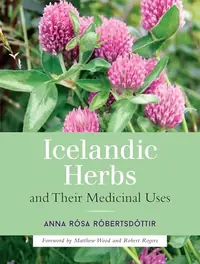
Icelandic Herbs and Their Medicinal Uses


This edition can be ordered. No arrival date is confirmed.
Unearth ancient healing wisdom from Iceland's rugged, potent landscapes.
This comprehensive, vibrantly illustrated volume delves into the therapeutic properties of 90 indigenous Icelandic plants. Authored by Anna Rosa Robertsdottir, it meticulously details their historical uses, proper harvesting techniques, preservation methods, and various preparation forms like infusions and tinctures. Featuring abundant color photography for easy identification, this guide serves as an invaluable resource for both novice and experienced herbalists seeking to integrate northern botanical knowledge into their practice. Its detailed research and user-friendly design make it a standout reference.
This volume bridges the gap between traditional Icelandic folk medicine and modern herbalist practices, grounding esoteric botanical knowledge in the specific ecological context of the North Atlantic. It serves as a contemporary resource for those interested in regional healing traditions within the broader scope of Western esoteric naturalism.


📝 Description: Icelandic Herbs and Their Medicinal Uses
💎 Expert review
📖 Why choose it
Why this book is worth reading
This book is an essential treasure for herbalists seeking to expand their repertoire beyond common temperate flora into the unique, potent botanicals of Iceland. It offers a practical yet deeply respectful approach to northern healing, making complex historical uses accessible through clear instructions and vibrant photography. Whether you are a novice curious about indigenous plants or an experienced practitioner looking to refine your tincture-making skills, this guide provides the necessary tools for safe and effective harvesting. It empowers readers to connect with the rugged landscape through its medicinal offerings, fostering a deeper appreciation for the resilience of northern flora.
⭐ Reader reviews
Reader rating
While this text excels as a visual and practical guide for identifying and preparing Icelandic herbs, it may not suit readers seeking deep theoretical discourse on herbal energetics or spiritual magic systems. It is strictly a botanical and medicinal reference rather than a philosophical treatise. Those looking for obscure, mystical lore without practical application might find the focus on harvesting and preservation too grounded. However, for those who value precision, clear identification, and user-friendly design in their herbal studies, it stands as a standout, reliable resource that prioritizes usability and accurate botanical knowledge over abstract speculation.
❓ Frequently asked questions
📖 Who should read this
If you're drawn to the healing power of plants, particularly those thriving in cooler climates, and seek a practical, identification-focused guide, this book is for you. It's ideal for budding herbalists, seasoned practitioners, or anyone eager to explore wild botanical remedies with confidence.
🎯 Key themes and symbolism
Plant Identification Mastery
This guide excels in helping readers accurately identify medicinal flora. Through a wealth of high-quality, full-color photographs showcasing both leaves and blossoms, alongside precise descriptions, it equips individuals with the confidence to distinguish various species. This visual clarity is crucial for safe and effective wildcrafting and ensures proper plant recognition for therapeutic application.
Practical Herbal Preparation
Beyond identification, the book offers a deep dive into transforming raw plant material into potent remedies. It meticulously outlines traditional methods for creating infusions, decoctions, tinctures, and syrups. From harvesting and drying to storage, each step is clearly articulated, empowering practitioners to craft their own medicines using time-honored, effective techniques.
Northern Botanical Lore
Focusing on the unique flora of Iceland, this work connects readers to a rich tradition of northern European herbalism. It explores the specific medicinal applications of plants adapted to a harsh, yet potent, environment. The inclusion of historical context for each herb enriches the understanding of its place in folk medicine and natural healing traditions across regions.
💬 Quotes from the book
“Observe the trifoliate leaves, slightly serrated at the edges, and the delicate white blossoms appearing in late spring. Distinguishing this from its less potent cousin requires attention to the reddish tint on the stem.”
“For a potent decoction of the root, carefully wash and chop into small pieces. Simmer gently in filtered water for no less than twenty minutes, ensuring the liquid reduces by half to concentrate its therapeutic properties.”
📜 Historical context
📚 Glossary
- Infusion
- Decoction
- Tincture
📔 Questions to reflect on
- Considering the 85 shared species, what local plants in your area might be related to those described in this book, and how can you begin to learn about their properties?
- Reflect on the concept of 'wildcrafting.' What ethical considerations and sustainable practices would you prioritize when harvesting plants from nature?
- If you were to create a personal herbal remedy from a plant discussed, which would you choose and what ailment would you hope to address, based on its traditional uses?
🏛 Books from this publisher North Atlantic Books
All books from this publisher →



You might also like
See more →