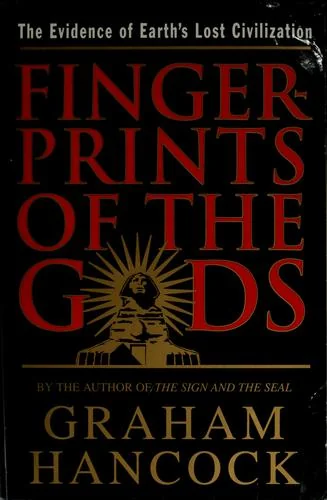
Fingerprints of the Gods: The Evidence of Earth's Lost Civilization
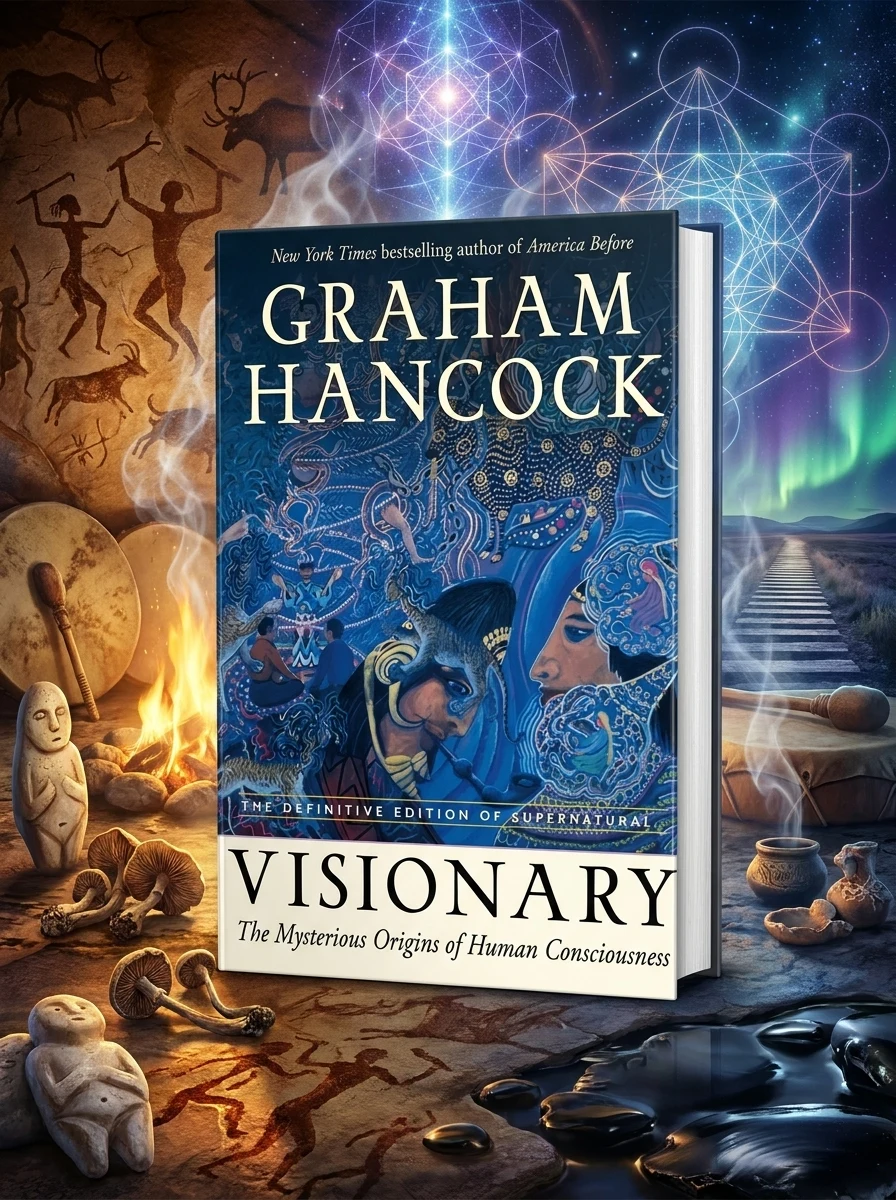
✍️ Hancock, GrahamBefore writing this title, Graham Hancock documented his search for the Ark of the Covenant in The Sign and the Seal and reported for major British newspapers. In this volume, he uses global monuments and scientific disciplines to analyze prehistory. The author suggests that ancient myths carry encoded messages about periodic Earth crises. The content appeals to researchers of alternative history and the supernatural, while readers who prefer strictly standard anthropology will likely find its unconventional methods and conclusions polarizing.


Praise for this book
“I always wanted to do a biblical flood movie, but I never felt I had the hook. I first read about the Earth's Crust Displacement Theory in Graham Hancock's Fingerprints of the Gods.”
📝 Description: Fingerprints of the Gods: The Evidence of Earth's Lost Civilization
💎 Expert review
📖 Why choose it
Why this book is worth reading
Readers fascinated by the mysteries of antiquity and those weary of conventional historical accounts will find this book deeply engaging. Hancock invites you on a global journey, connecting disparate monumental sites through sophisticated patterns of knowledge that defy standard explanation. If you enjoy piecing together archaeological puzzles from archaeo-astronomy and geology, this text offers a compelling alternative narrative. It is perfect for those seeking to understand how a forgotten society might have shaped our current understanding of origins. The book demands a reevaluation of technological evolution, providing a thrilling perspective on Earth's lost civilization and its enduring legacy.
⭐ Reader reviews
Reader rating
Hancock presents a bold thesis that will intrigue those open to paradigm-shifting ideas about human history. His synthesis of geology and myth creates a vivid picture of a sophisticated precursor society. However, readers who strictly adhere to mainstream academic consensus or require peer-reviewed scientific validation may find the arguments speculative rather than conclusive. It is best suited for curious minds willing to explore controversial archaeological interpretations without demanding definitive proof. Those seeking dry, traditional historiography will likely be frustrated by the speculative nature and the challenge to established timelines.
❓ Frequently asked questions
📖 Who should read this
If you're a seeker of hidden truths, an open-minded historian, or simply captivated by ancient enigmas, this book will ignite your imagination. Prepare to have your understanding of human civilization profoundly shaken and expanded, challenging everything you thought you knew about our collective past.
🎯 Key themes and symbolism
Echoes of a Lost Epoch
Hancock meticulously unearths evidence suggesting a technologically and spiritually advanced global culture predating known history. He posits that this forgotten civilization, responsible for profound architectural and scientific achievements, disseminated its wisdom across the planet before a catastrophic event erased its direct memory, leaving only enigmatic "fingerprints."
Challenging Historical Dogma
This work radically questions established timelines and conventional archaeological interpretations. By juxtaposing seemingly disparate ancient sites and esoteric knowledge, Hancock argues for a unified, much older human story, compelling readers to reconsider mainstream narratives about humanity's progress and the origins of complex societies.
Global Monolithic Links
From the precise alignments of the Egyptian Sphinx to the engineering marvels of Tihuanaco and the celestial wisdom embedded in Mexican temples, Hancock demonstrates how ancient sites worldwide share uncanny similarities in construction, astronomical knowledge, and symbolic meaning. These parallels, he contends, point to a common, highly sophisticated source.
📜 Historical context
📚 Glossary
- Archaeo-astronomy
- Pre-diluvian Civilization
- Megalithic Structures
📔 Questions to reflect on
- How might the widespread acceptance of a highly advanced, pre-ice age civilization fundamentally alter our understanding of human potential and historical progress?
- Consider a local ancient site or myth you know; how might Hancock's theories encourage a reinterpretation of its origins or significance?
- If a global catastrophe erased most evidence of a complex society, what lessons can we draw about the fragility of civilization and the preservation of knowledge?