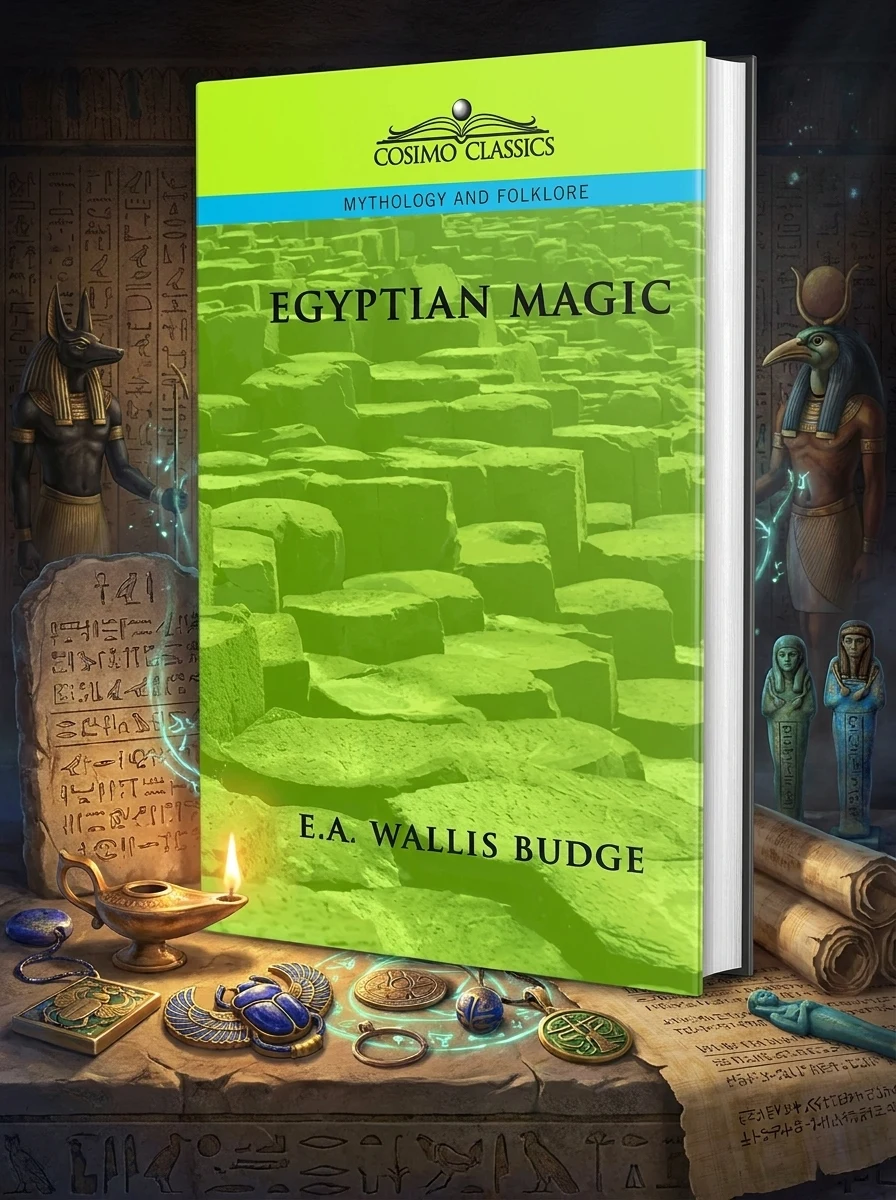
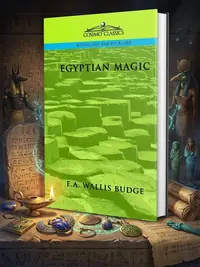
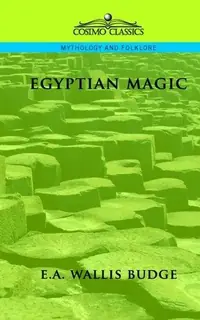
Egyptian Magic
Budge, E a WallisStock reported in the catalog; fulfillment is confirmed with your request.
Unearth the archaic spells and talismans of the pharaohs in this 1899 Victorian treasure.
E.A. Wallis Budge peels back the layers of antiquity to reveal how early Egyptians viewed magic not as mere superstition, but as a tangible force interacting with the divine. This volume explores the evolution of magical practices from pre-deity animism to structured rituals controlling gods. It details the protective efficacy of amulets, the sacred role of scarabs in eternal life, and the intricate power of spoken names. While modern scholarship critiques his translation methods, Budge’s vivid illustrations and exhaustive cataloging provide an indispensable, albeit dated, window into the mystical mindset of the Nile civilization.
This 1899 Victorian work situates itself within the late 19th-century fascination with Egyptian antiquity, presenting magic as a tangible force interacting with the divine rather than mere superstition. It reflects an era where exhaustive cataloging and vivid illustration were primary methods for making ancient mystical mindsets accessible to modern readers.


📝 Description: Egyptian Magic
💎 Expert review
📖 Why choose it
Why this book is worth reading
This volume offers a unique window into the mystical mindset of the Nile civilization for those interested in the historical roots of ceremonial magic. Readers who appreciate the evolution of magical practices from pre-deity animism to structured rituals will find value in Budge’s detailed exploration of protective amulets and the sacred role of scarabs. While modern scholarship critiques his translation methods, this exhaustive cataloging remains indispensable for understanding how early Egyptians viewed magic as a tangible force. It is particularly rewarding for scholars and enthusiasts who want to see how spoken names and talismans were believed to control gods, providing a dated but vivid perspective on the archaic spells of the pharaohs.
⭐ Reader reviews
Reader rating
I keep coming back to this one. Challenging in places, but never needlessly obscure. The text itself is dense but rewarding — you get out what you put in. Definitely recommend.
Added this to my reference shelf. It rewards patience more than any book I've bought this year. Five stars from me.
Needed this for my research. Some sections stopped me cold in the best way. Still worth having on the shelf.
Honestly wasn't sure what to expect, but I'm impressed. You can tell why this work has endured. Some chapters demand a slow, careful read, and that's exactly the point. One of my better finds this year.
Exactly what I was looking for. The typesetting is comfortable for study, with good margins for notes. Recommended if you're ready to do the work.
Ordered this after seeing it referenced in another book I was studying. There's real depth here that reveals itself on a second reading. It reads better in small doses — a chapter at a time with notes. If you're drawn to this subject, don't hesitate.
First purchase from this shop. The text itself is dense but rewarding — you get out what you put in. My only regret is not ordering it sooner.
Budge’s 1899 compilation serves as an indispensable, albeit dated, resource for those seeking to understand the structured rituals controlling gods in ancient Egypt. Its strength lies in vivid illustrations and exhaustive cataloging that reveal magic as a tangible divine interaction. However, readers seeking contemporary academic rigor or precise translation accuracy should look elsewhere, as his methods are heavily critiqued by modern scholarship. This book is best suited for those interested in the historical context of esoteric practices rather than technical precision. It does not suit casual readers expecting narrative fiction, nor specialists requiring up-to-date philological analysis. Instead, it appeals to those who value the atmospheric and structural insights of Victorian occultism.
❓ Frequently asked questions
📖 Who should read this
Students of Egyptology, occult historians, and practitioners interested in the historical roots of talismanic magic will find value here. It appeals to those who appreciate Victorian scholarship's exhaustive detail, even if its interpretive framework is considered outdated by contemporary academic standards.
🎯 Key themes and symbolism
Pre-Deity Animism Origins
The text argues that early magic stemmed from a primal belief in spirits surrounding all objects. Budge traces how these raw, elemental fears gradually coalesced into formalized worship of specific deities, showing the fluid boundary between natural awe and religious devotion in early Egyptian thought.
Talismanic Protection Systems
A significant portion details the mechanics of warding off malevolent entities through physical objects. The author explains how specific amulets functioned as barriers against evil spirits, emphasizing the material nature of protection where the physical form of the charm held inherent power to neutralize spiritual threats.
Scarabs and Immortality
The beetle is explored not just as a symbol, but as a functional tool for eternal life. Budge connects the insect’s lifecycle to resurrection myths, explaining how scarab amulets were used in funerary rites to ensure the soul’s transition and preservation in the afterlife beyond mere symbolic representation.
💬 Quotes from the book
“How did beliefs that predated the worship of deities come to become associated with controlling gods?”
“What role did scarabs serve in bestowing immortality?”
📜 Historical context
📚 Glossary
- Animism
- Amulet
- Scarab
📔 Questions to reflect on
- How does the concept of 'naming' a thing grant power over it, and how might this apply to your own relationship with fear?
- In what ways do modern protective rituals mirror the talismanic systems described in ancient Egypt?
- Reflect on the boundary between superstition and faith: where does Budge’s interpretation of animism blur into religious doctrine?
✍️ More books by this author Budge, E a Wallis
All books by this author →
🏛 Books from this publisher Cosimo Classics
All books from this publisher →
 90
90


 87
87
 90
90
 89
89
You might also like
See more → 90
90



 91
91