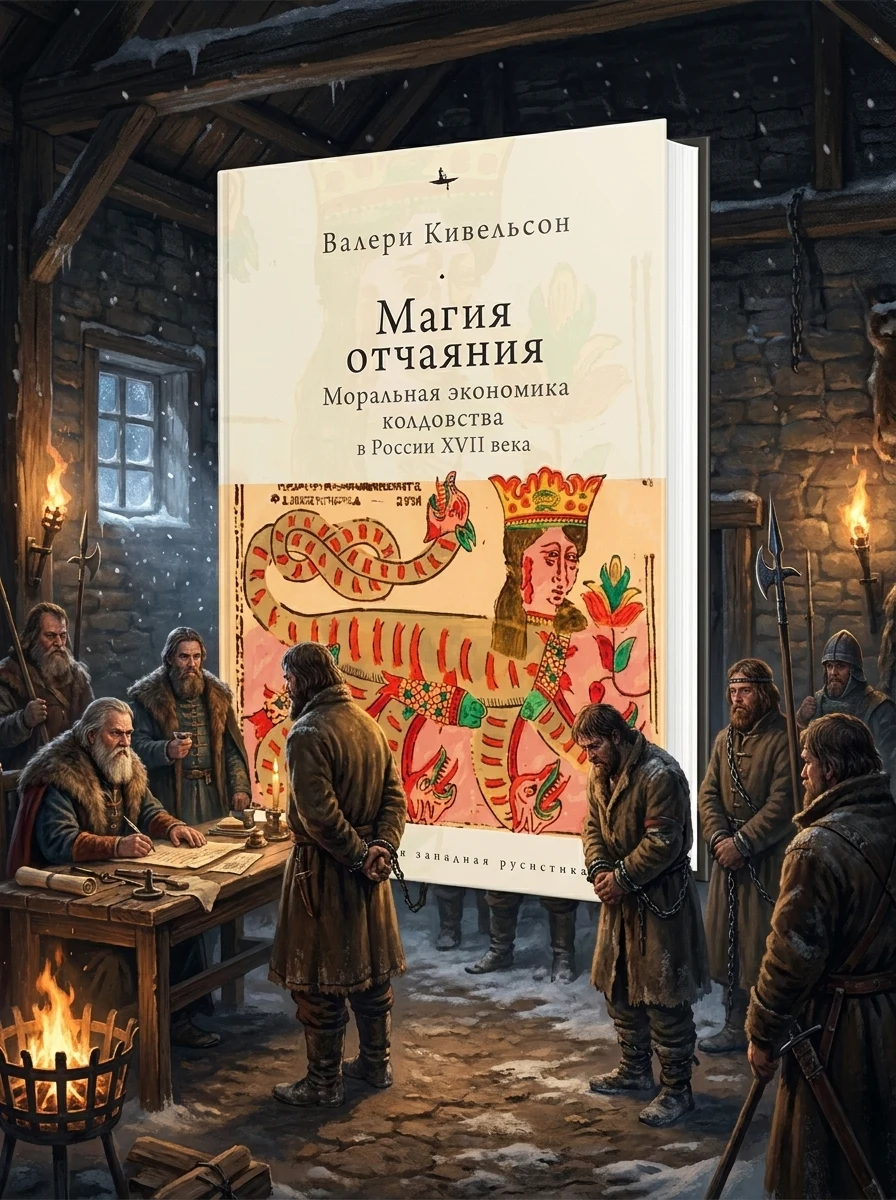
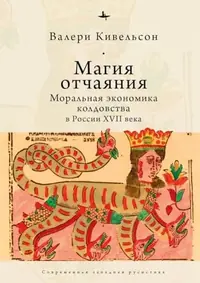
Desperate Magic: The Moral Economy of Witchcraft in Seventeenth-Century Russia - Ingram Academic Kivelson, Valerie
Stock reported in the catalog; fulfillment is confirmed with your request.
Forget everything you thought you knew about witch hunts: in Russia, it was men who feared the pyre.
Valerie Kivelson and Vladimir Petrov unveil a groundbreaking perspective on 17th-century Russian witchcraft, dramatically diverging from Western European narratives. Drawing on extensive court records, their research reveals that the vast majority of those accused of sorcery were men, and the judicial outcomes rarely mirrored the mass hysteria and executions seen elsewhere. This work meticulously reconstructs the unique social and moral economy that shaped accusations and punishments, offering profound insights into a forgotten chapter of magical history and challenging long-held assumptions about witchcraft persecution.
This academic work recontextualizes the study of early modern European magic by shifting focus from Western Europe to seventeenth-century Russia, challenging established narratives of witchcraft persecution within that specific geopolitical and historical framework.


📝 Description: Desperate Magic: The Moral Economy of Witchcraft in Seventeenth-Century Russia - Ingram Academic Kivelson, Valerie
💎 Expert review
📖 Why choose it
Why this book is worth reading
Scholars and enthusiasts of esoteric history will find this text indispensable for dismantling monolithic views of witchcraft. It offers a crucial corrective to Western-centric assumptions, revealing how social dynamics in Russia created a distinct 'moral economy' where men were primary targets of accusation yet spared the pyre. Readers seeking deep, evidence-based historical analysis will appreciate the meticulous reconstruction of court records and judicial outcomes. This book is essential for anyone wishing to understand the nuanced, non-hysterical mechanics of sorcery accusations in Eastern Europe, providing a sophisticated lens through which to view power, gender, and magic in the seventeenth century.
⭐ Reader reviews
Reader rating
Kivelson and Petrov deliver a rigorous, data-driven examination that undeniably shifts scholarly consensus. However, this is not a book for casual readers or those seeking atmospheric tales of dark rituals. It is a dense academic study reliant on judicial archives, making it inaccessible to those without a background in history or sociology. The narrative lacks the dramatic flair of popular occult literature, focusing instead on structural analysis and moral economies. Readers expecting sensational stories of witches and demons will be disappointed by the dry, scholarly tone. It is strictly for those willing to engage with complex historical arguments rather than mythic storytelling.
❓ Frequently asked questions
📖 Who should read this
If you're fascinated by the hidden histories of magic, curious about gender's role in historical persecution, or seeking a fresh perspective on early modern Russia, this book offers profound insights into a truly unique cultural phenomenon.
🎯 Key themes and symbolism
Gendered Witchcraft Accusations
This study challenges the predominant Western image of the female witch, revealing that in 17th-century Russia, accusations of sorcery were disproportionately leveled against men. It explores the societal and legal underpinnings of this unique gender dynamic, offering a fresh perspective on who was perceived to wield illicit magical power.
Distinct Russian Witchcraft
Unlike the brutal, widespread witch hunts of Early Modern Europe, Russian witchcraft accusations rarely escalated to mass hysteria or executions. The book meticulously contrasts these differing judicial and social responses, illuminating a unique cultural context where magic and its perceived dangers were handled through a distinct legal and moral framework.
Moral Economy of Magic
The authors delve into the intricate social norms and community expectations that governed accusations and punishments for witchcraft in Russia. This 'moral economy' explores how the perceived violation of communal trust, rather than solely religious heresy, shaped the understanding and prosecution of magical practices within society.
💬 Quotes from the book
“The judicial archives of 17th-century Russia reveal a shocking departure from Western European patterns, with men frequently occupying the role of the accused sorcerer.”
“Far from the pyres of the West, Russian courts approached allegations of magic with a more pragmatic lens, prioritizing social order over ideological purges.”
📜 Historical context
📚 Glossary
- Early Modern Europe
- Witchcraft (Russian Context)
- Moral Economy
📔 Questions to reflect on
- How might our understanding of historical persecution change if we always considered non-Western parallels?
- Reflect on how gender roles in your own society might influence perceptions of power or deviance.
- What social or economic factors today could create a 'moral economy' around accusations or beliefs?
You might also like
See more →
 91
91


 91
91