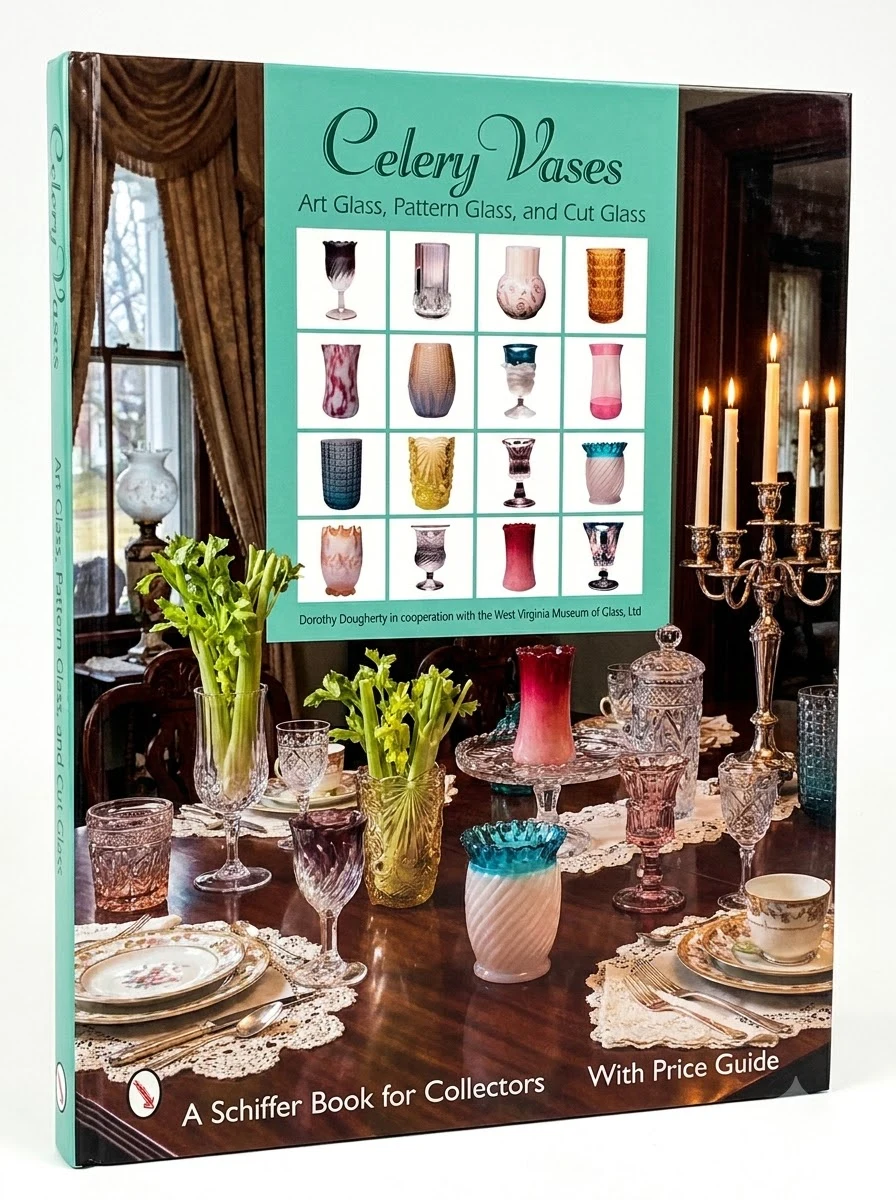
Celery Vases: Art Glass, Pattern Glass, and Cut Glass: Art Glass, Pattern Glass, and Cut Glass Dougherty, Dorothy
This edition can be ordered. No arrival date is confirmed.
Uncover the hidden elegance of vintage glassware in this definitive guide to celery vases.
Step back into the Gilded Age with this exhaustive survey of decorative glassware. The author meticulously catalogs hundreds of examples, organizing them by physical form—distinguishing between stemmed and stemless varieties, as well as varying bowl geometries. Beyond mere appreciation, the text dissects the intricate techniques of cutting, pattern pressing, and art glass manipulation. It serves as a critical reference for identification, linking specific motifs and shapes to their original manufacturers. With valuations embedded in the captions and a robust glossary included, this volume transforms casual appreciation into expert connoisseurship.
This work anchors itself in the material culture of the Gilded Age, serving as a specialized reference for the history of decorative arts and industrial manufacturing techniques of that period.


📝 Description: Celery Vases: Art Glass, Pattern Glass, and Cut Glass: Art Glass, Pattern Glass, and Cut Glass Dougherty, Dorothy
💎 Expert review
📖 Why choose it
Why this book is worth reading
This volume is an indispensable resource for serious collectors and connoisseurs of vintage glassware who seek to move beyond casual appreciation toward expert identification. Readers will gain a comprehensive understanding of the intricate techniques involved in cutting, pattern pressing, and art glass manipulation during the Gilded Age. By meticulously cataloging hundreds of examples based on physical form and linking specific motifs to their original manufacturers, the text empowers enthusiasts to accurately identify and value their collections. The inclusion of embedded valuations and a robust glossary further solidifies its utility, transforming the study of celery vases into a disciplined pursuit of historical knowledge and aesthetic discernment for dedicated hobbyists.
⭐ Reader reviews
Reader rating
My book club chose this last month. It pairs well with more modern commentaries on the same tradition. Challenging in places, but never needlessly obscure. Would buy from this store again.
Took a chance on this and glad I did. The text itself is dense but rewarding — you get out what you put in. It reads better in small doses — a chapter at a time with notes. Delivery took a bit longer than quoted. Good, with the caveats above.
Dougherty’s exhaustive survey offers a rigorous, technical dissection of decorative glassware that appeals primarily to academics and serious collectors. The meticulous organization by form and geometry provides a logical framework for identification, supported by valuable manufacturer links and valuations. However, this text does not suit casual readers or those seeking narrative history; it is a dense reference manual rather than a leisurely read. Readers expecting broad cultural anecdotes or simple appreciation essays may find the focus on physical characteristics and manufacturing techniques too dry. It is strictly for those willing to engage with detailed visual analysis and technical terminology, making it less accessible to general audiences interested in decorative arts.
❓ Frequently asked questions
📖 Who should read this
This volume is essential for serious antique collectors, interior historians, and estate sale hunters who need to identify and value vintage glassware. It serves as a practical field guide for anyone looking to authenticate pieces or deepen their understanding of decorative arts history.
🎯 Key themes and symbolism
Form and Function
The book rigorously categorizes celery holders by their structural design, examining how stem presence or absence alters aesthetic balance. It explores the evolution of bowl shapes, showing how practical utility influenced artistic choices during the late nineteenth century, creating a taxonomy of design that collectors use to authenticate and classify their pieces today.
Manufacturing Techniques
Dougherty provides a technical deep-dive into the methods used to create these vessels, from hand-cut crystal to machine-pressed pattern glass. The text explains how different decorative processes affected the final visual texture and light refraction, offering readers the vocabulary to understand the craftsmanship behind the glass, distinguishing mass-produced items from artisanal works.
Provenance and Value
This guide bridges the gap between artistic description and market reality. By identifying the specific glass manufacturers responsible for distinct styles, it empowers collectors to trace the lineage of their items. The inclusion of current valuations within the image captions provides immediate context, helping readers assess the rarity and financial worth of each piece in the antique market.
💬 Quotes from the book
“Over 350 beautiful images display vintage cut, pattern, and art glass celeries.”
“Values are found in the captions.”
📜 Historical context
📚 Glossary
- Stemless Celery
- Pattern Glass
- Uprights
📔 Questions to reflect on
- How does the shift from stemless to stemmed designs reflect changing aesthetic priorities in the late Victorian era?
- Which decorative technique—cutting or pressing—do you believe better captures the spirit of industrial elegance, and why?
- How might the specific shape of a celery vase bowl influence the way light interacts with the glass in a dining room setting?
🏛 Books from this publisher Schiffer Publishing
All books from this publisher →
 89
89






You might also like
See more → 91
91

 91
91
 91
91
 91
91