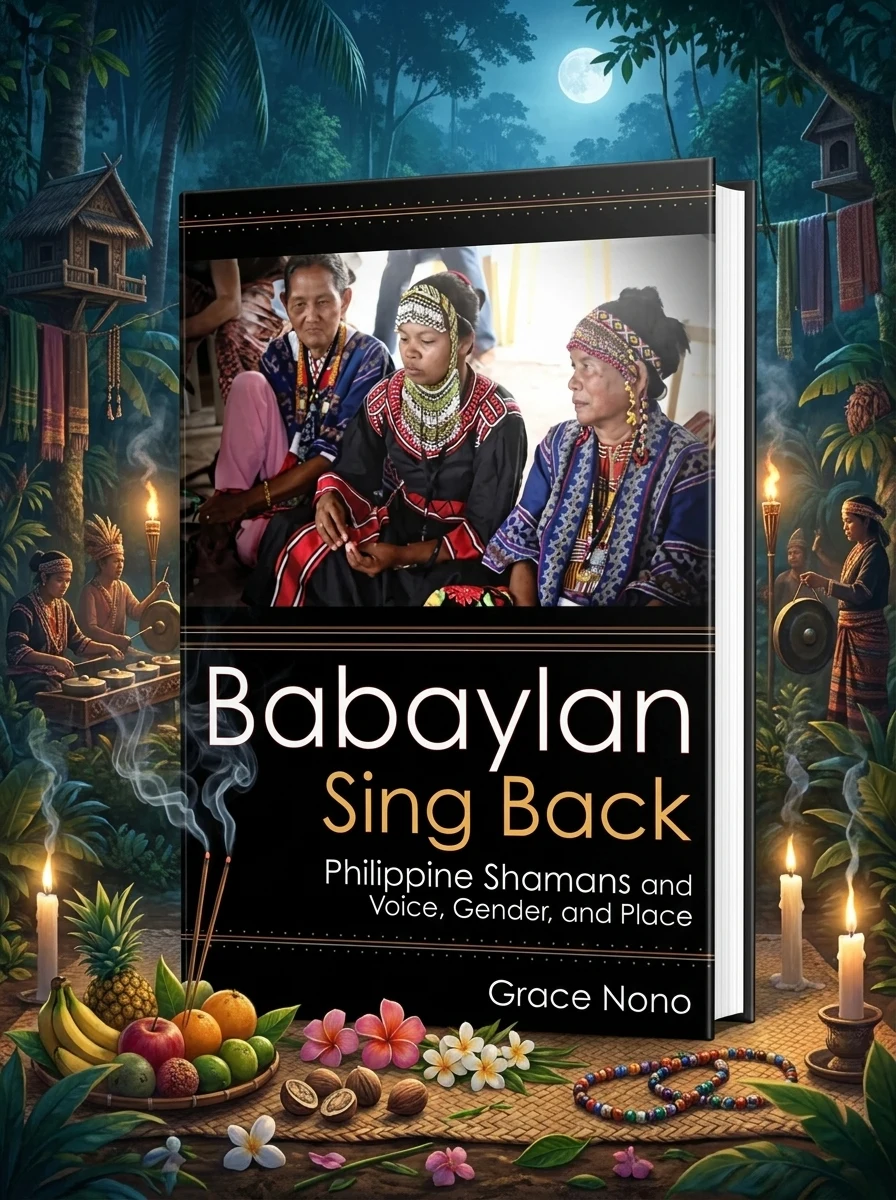
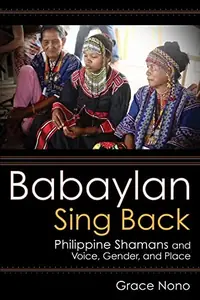
Babaylan Sing Back: Philippine Shamans and Voice, Gender, and Place
Nono, GraceStock reported in the catalog; fulfillment is confirmed with your request.
Unearth the silenced voices of Philippine shamans, reclaiming their power, gender, and sacred spaces.
Grace Nono's insightful work delves into the vibrant, yet often suppressed, world of the babaylan, indigenous Philippine ritual specialists. Through extensive fieldwork in both the Philippines and its global diaspora, Nono masterfully reconstructs their spiritual traditions. She examines how these figures, once marginalized as mere superstition or celebrated as symbols of resistance, actively asserted their historical agency. By focusing on their embodied vocal expressions, the book provides a compelling narrative of resilience and cultural endurance in the face of colonial narratives, illuminating their enduring significance.
This work sits within the rich tradition of Southeast Asian indigenous studies and post-colonial anthropology, specifically focusing on the preservation of pre-colonial spiritual practices in the Philippines. It bridges the gap between academic ethnography and esoteric history by documenting the lived experiences of the babaylan.


📝 Description: Babaylan Sing Back: Philippine Shamans and Voice, Gender, and Place
💎 Expert review
📖 Why choose it
Why this book is worth reading
Readers deeply interested in the intersection of gender studies, indigenous spirituality, and decolonial theory will find this volume indispensable. It offers a vital corrective to historical erasure by centering the babaylan’s agency and vocal power. Scholars of Philippine diaspora communities will appreciate the nuanced fieldwork that traces spiritual endurance across borders. Those seeking to understand how colonial narratives suppressed specific cultural forms can gain profound insight here. This book is essential for anyone wishing to reclaim silenced voices and explore how sacred spaces are maintained through embodied practice. It provides a compassionate yet rigorous look at resilience, making it perfect for those who value cultural preservation over romanticized notions of the past.
⭐ Reader reviews
Reader rating
Nona’s text is a significant contribution to understanding Philippine shamanism, though it demands serious academic engagement. It is not suitable for casual readers seeking quick spiritual guides or simplified historical overviews. Those expecting straightforward practical rituals may find the theoretical focus on voice and gender abstract and dense. The book does not cater to those who prefer colonial-centric histories or dismiss indigenous epistemologies as mere superstition. However, for scholars and dedicated practitioners of esoteric history, it offers a necessary, complex, and deeply researched perspective. It is candid in its depiction of marginalization but avoids easy answers. Readers must be prepared for dense ethnographic detail rather than narrative adventure.
❓ Frequently asked questions
📖 Who should read this
If you're drawn to indigenous spiritual traditions, the impact of colonialism on culture, or the intersection of gender and religion, this book offers a profound journey. It's for those seeking to understand silenced histories and the enduring power of community voice.
🎯 Key themes and symbolism
Indigenous Voice & Ritual
This book profoundly explores the unique ways babaylan expressed their spiritual power through song and spoken word. It emphasizes their 'embodied voices' not just as performance, but as a living tradition that carries ancestral knowledge and spiritual authority, revealing the intricate connection between sound, ritual, and identity in Philippine indigenous cultures.
Colonial Impact & Resilience
Nono meticulously traces the historical trajectory of the babaylan, from their suppression during colonial periods to their persistence in contemporary society. The text highlights how these spiritual leaders were systematically demonized or pushed to the fringes, yet continued to survive and adapt, showcasing remarkable cultural resilience against overwhelming historical pressures.
Gender, Power, & Resistance
The work illuminates the significant role of babaylan as figures of gender equality and anticolonial resistance. By examining their positions within pre-colonial societies and their symbolic importance in modern movements, Nono reveals how these ritual specialists challenged patriarchal structures and foreign dominance through their spiritual and social influence.
💬 Quotes from the book
“The echo of the babaylan's song is not merely a memory; it is a living resonance, a defiant assertion against centuries of attempted erasure.”
“To truly comprehend the babaylan, one must listen beyond colonial narratives, seeking the truth in the very breath and rhythm of their ancestral tongue.”
📜 Historical context
📚 Glossary
- Babaylan
- Historical Agency
- Diaspora
📔 Questions to reflect on
- How do you perceive the connection between vocal expression, spiritual practice, and cultural identity in your own lineage or community?
- Reflect on a time when a marginalized voice or tradition in your experience was either silenced or, conversely, powerfully reclaimed. What were the circumstances?
- Consider the idea of 'historical agency.' In what ways do you believe individuals or groups, even those oppressed, assert their will in shaping their own destiny?
✍️ More books by this author Nono, Grace
All books by this author →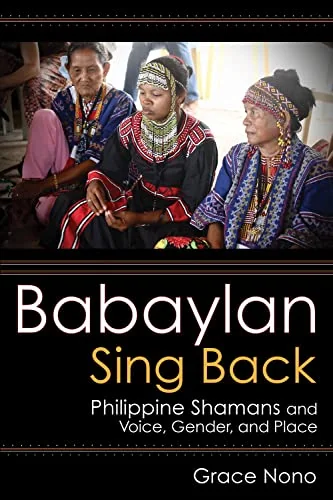
🏛 Books from this publisher Southeast Asia Program Publications
All books from this publisher →You might also like
See more →
 91
91

 91
91
 91
91
 91
91