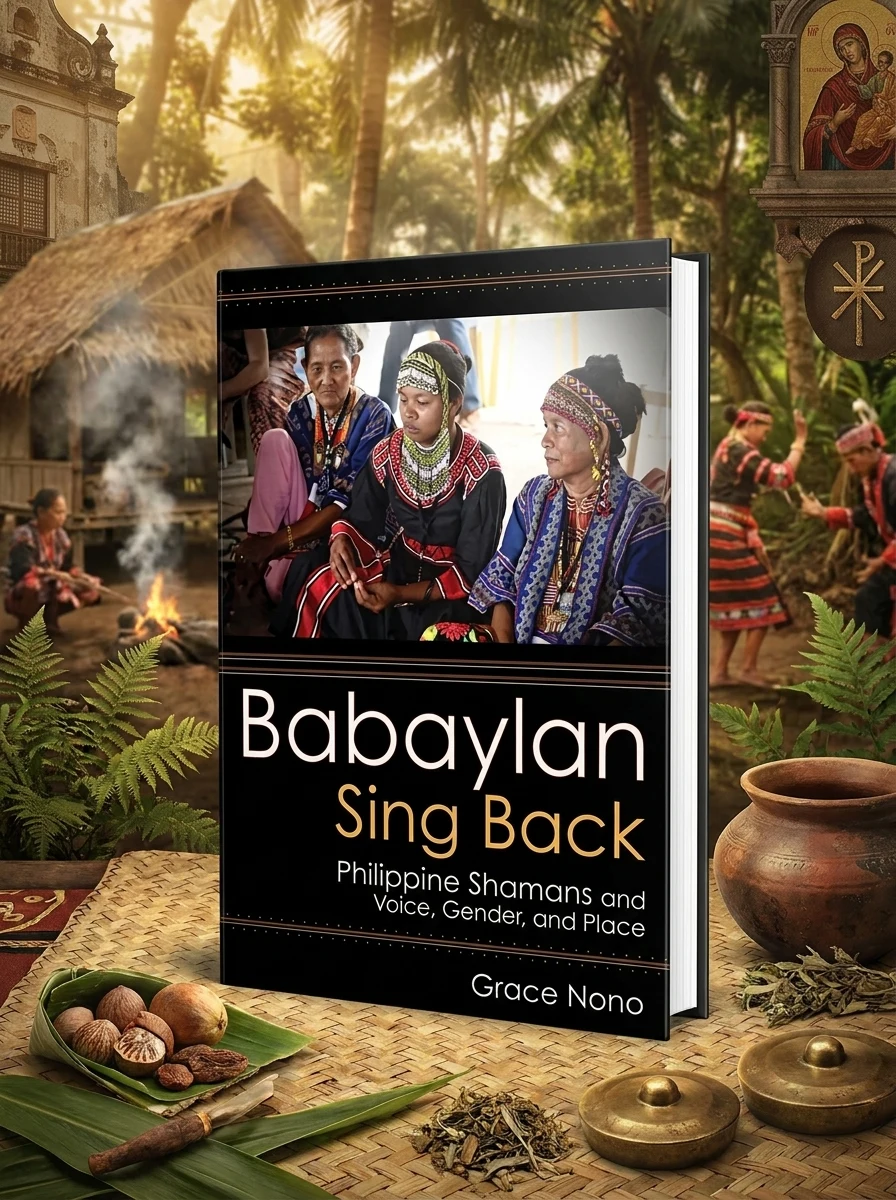

Babaylan Sing Back: Philippine Shamans and Voice, Gender, and Place
Nono, Grace 81
81
 Editorial score
How we rate
Editorial score
How we rate
Stock reported in the catalog; fulfillment is confirmed with your request.
Unearth the forgotten echoes of Philippine shamans, reclaiming their powerful, embodied voices.
This profound work resurrects the vibrant traditions of the babaylan, the indigenous ritual specialists of the Philippines, long believed silenced by colonial forces or pushed to society's fringes. Grace Nono, through extensive fieldwork in the archipelago and its diaspora, meticulously explores the embodied voices—the songs and spoken words—of living practitioners. She powerfully demonstrates their enduring historical agency, challenging simplistic narratives of persecution or romanticized resistance, offering a vital re-evaluation as the 500th anniversary of European contact approaches.
This work sits at the intersection of indigenous Philippine shamanism and post-colonial gender studies, reclaiming the babaylan tradition from historical erasure. It contributes to broader scholarly efforts to understand embodied voice and ritual agency within Southeast Asian spiritual frameworks.


📝 Description: Babaylan Sing Back: Philippine Shamans and Voice, Gender, and Place
💎 Expert review
📖 Why choose it
Why this book is worth reading
This book is essential for those seeking to understand the complex layers of indigenous spirituality in the Philippines, particularly through the lens of gender and voice. Readers interested in how colonial narratives have shaped religious history will find profound value in Nono’s meticulous fieldwork. It offers a vital corrective to simplistic stories of persecution, instead highlighting the enduring agency of living practitioners. Those passionate about reclaiming silenced histories and exploring the power of embodied ritual will gain deep insight into the babaylan tradition. The approach is both scholarly and deeply respectful, making it crucial for anthropologists, theologians, and anyone committed to decolonizing spiritual narratives. It provides a nuanced look at how these traditions survive and thrive today.
⭐ Reader reviews
Reader rating
Grace Nono presents a rigorous academic exploration of babaylan practices that may feel dense to casual readers seeking accessible mysticism. This text is not suited for those looking for romanticized resistance or simple historical timelines, as it demands engagement with complex theories of voice and place. Scholars of Southeast Asian studies will appreciate its depth, while general occult enthusiasts might find the fieldwork-heavy approach less immediately gratifying. It is a serious re-evaluation rather than a devotional guide. Readers expecting easy answers about colonial persecution may be disappointed by its nuanced refusal of such binaries. However, for those willing to engage with the scholarly weight, it offers unparalleled insight into the resilience of indigenous ritual specialists.
❓ Frequently asked questions
📖 Who should read this
If you are drawn to the hidden histories of spiritual resistance, the profound interplay of gender and power in sacred traditions, or the vibrant tapestry of Southeast Asian indigenous knowledge, this book offers an essential journey into the heart of Philippine spiritual reclamation.
🎯 Key themes and symbolism
Reclaiming Indigenous Voice
Nono’s research focuses on the spoken and sung expressions of the babaylan, revealing how these ritual specialists communicate spiritual knowledge and cultural heritage. The book emphasizes that their "voices" were not eradicated but continue to adapt and resonate. They serve as powerful conduits for indigenous history and spiritual practice, challenging narratives of cultural erasure.
Gendered Spiritual Power
This work delves into the significant role gender plays within babaylan traditions. Historically, many babaylan were women or gender-nonconforming individuals, embodying spiritual authority often suppressed by patriarchal colonial influences. The book explores how their spiritual leadership intersects with gender identity, challenging Western-centric views of religious hierarchy and power.
Colonial Legacy & Resistance
The book critically examines the enduring impact of colonization on Philippine spiritual practices, particularly the suppression and misrepresentation of babaylan. It highlights how these ritual specialists, through their continued practices and oral traditions, embody a form of anticolonial resistance. Their work asserts native historical agency, pushing back against centuries of attempted cultural annihilation.
💬 Quotes from the book
“The echoes of ancestral songs are not merely historical artifacts; they are living pronouncements, reverberating through the present to redefine what it means to be heard.”
“To understand the babaylan is to move beyond simplistic binaries of 'witch' or 'hero,' delving instead into the complex embodiment of spiritual power that resists easy categorization.”
📜 Historical context
📚 Glossary
- Babaylan
- Indigenous Studies
- Diaspora
📔 Questions to reflect on
- How do modern narratives silence or reclaim indigenous voices in your own cultural context?
- Reflect on how gender and spiritual authority intersect in traditions you are familiar with, compared to the babaylan.
- What forms of "singing back" or spiritual resistance do you observe in contemporary society against dominant historical narratives?
✍️ More books by this author Nono, Grace
All books by this author →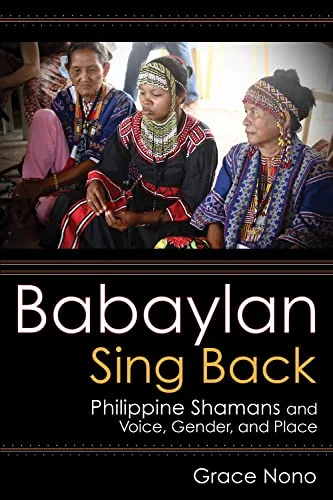
🏛 Books from this publisher Southeast Asia Program Publications
All books from this publisher →You might also like
See more →