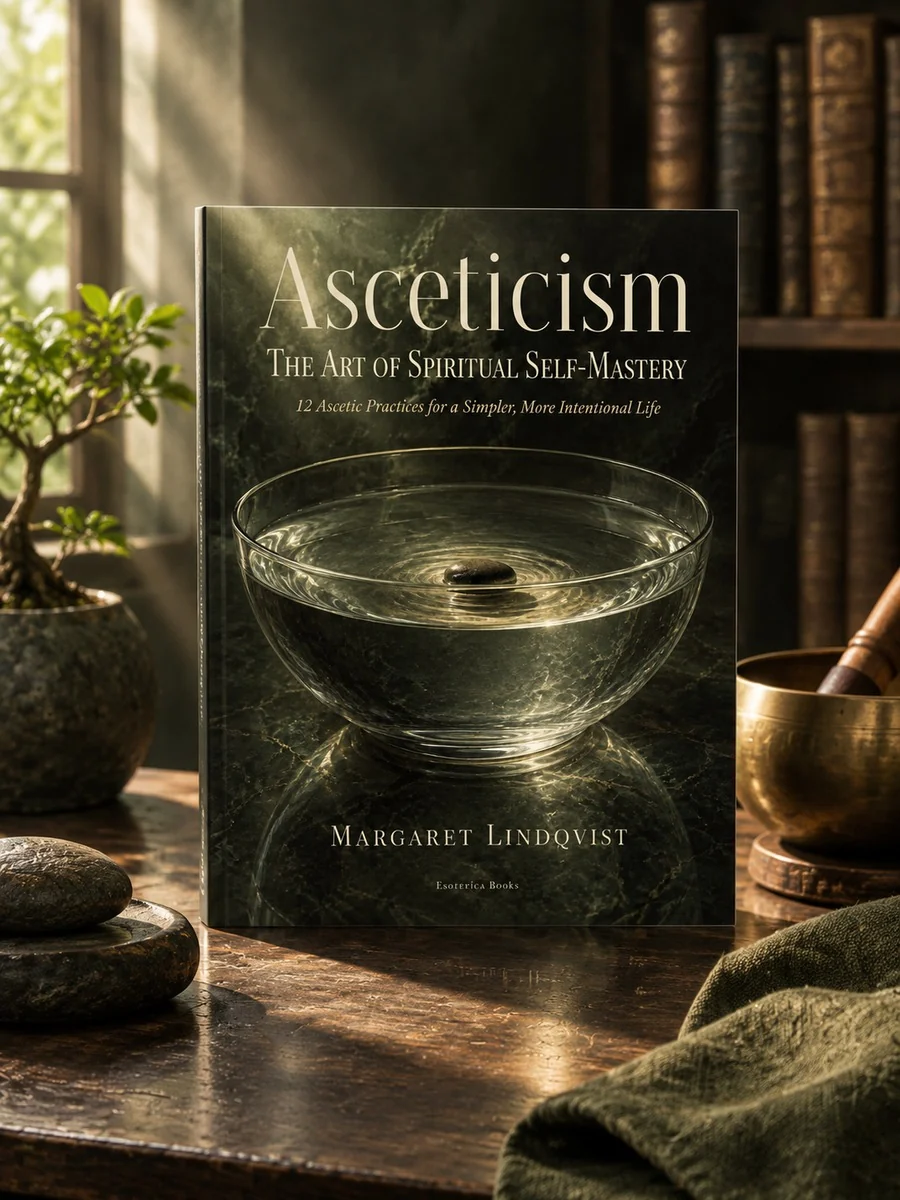
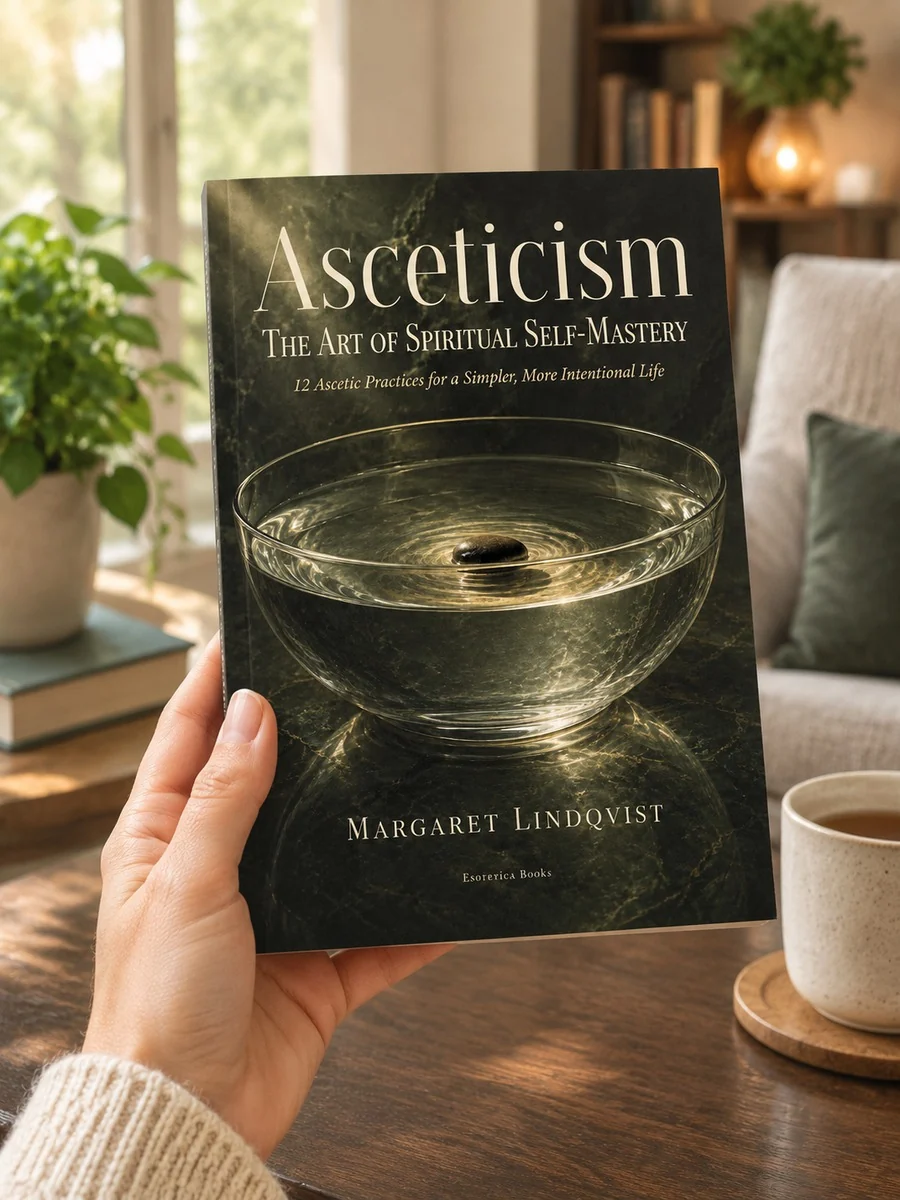
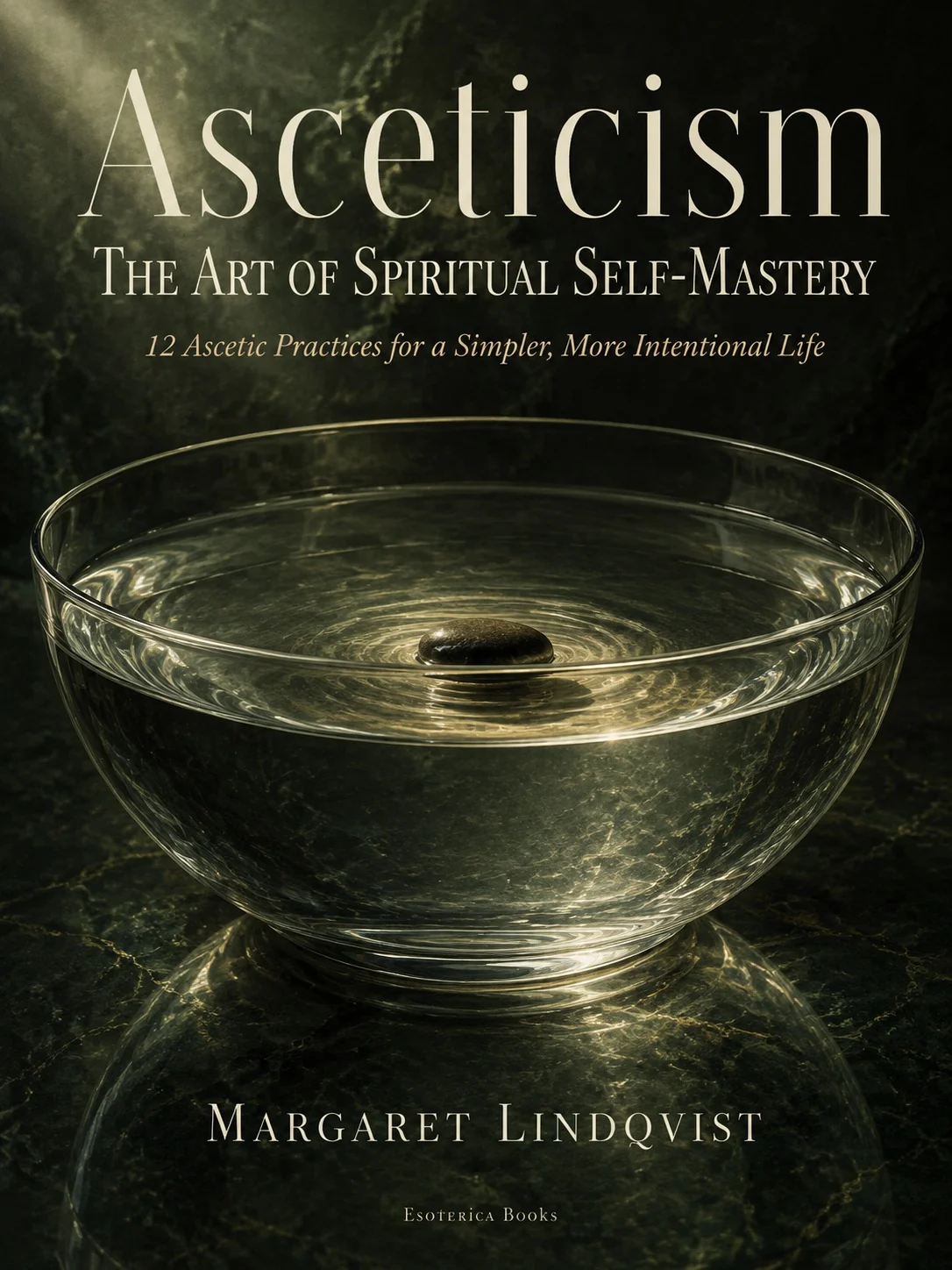
Asceticism: The Art of Spiritual Self-Mastery
Discover the meaning of asceticism and build a quieter, more intentional spiritual life through 12 practical disciplines.
What does asceticism really mean, and how can its principles become part of ordinary modern life? Margaret Lindqvist introduces asceticism as the practice of deliberate self-discipline for spiritual and philosophical purposes. Through 12 accessible chapters, readers explore voluntary simplicity, self-restraint, mindful consumption, silence, solitude, and daily spiritual habits. At the heart of the book is The Quiet Vow, a five-step method for turning personal values into sustainable commitments. From biblical perspectives on self-denial to writing a personal rule of life, the journey moves from small choices toward a more intentional way of living.
Asceticism appears in diverse religious and philosophical traditions, including Christianity, Buddhism, Hinduism, and Jainism. Its expressions vary considerably, but the relationship between desire, self-restraint, and spiritual purpose is an important recurring theme.


📝 Description: Asceticism: The Art of Spiritual Self-Mastery
📖 Why choose it
Why this book is worth reading
Understanding asceticism can change the questions you ask about ordinary choices. Instead of automatically reaching for another purchase, distraction, or comfort, you begin considering whether it deserves your attention. Lindqvist makes this exploration accessible through The Quiet Vow, practical exercises, and reflections on established spiritual traditions. The emphasis on moderation is particularly useful for beginners who want to develop a meaningful personal discipline without adopting a monastic lifestyle or making unrealistic commitments.
⭐ Reader reviews
Reader rating
Margaret Lindqvist offers a clear, approachable introduction to asceticism that avoids the common mistake of equating spiritual discipline with extreme self-denial. The strongest feature is The Quiet Vow: its five stages give beginners a recognizable structure for translating abstract intentions into everyday choices. The contents cover possessions, food, speech, attention, solitude, biblical self-denial, and the creation of a personal rule of life. The opening exercise is particularly accessible, using a short period of stillness and written observations to begin the process. One limitation: the supplied preview ends midway through the first exercise, so the complete practical instructions cannot be evaluated here. The overall approach is thoughtful and well organized.
❓ Frequently asked questions
📖 Who should read this
Ideal for beginners curious about the meaning of asceticism, readers exploring spiritual simplicity, and anyone interested in bringing greater intention to possessions, food, habits, attention, and daily spiritual practice. Particularly suitable for readers who prefer manageable disciplines over extreme renunciation.
🎯 Key themes and symbolism
Voluntary Simplicity
Spiritual Self-Discipline
Mindful Self-Restraint
Personal Rule of Life
📜 Historical context
📚 Glossary
- Asceticism
- Voluntary simplicity
- Self-restraint
- Renunciation
- The Quiet Vow
- Personal rule of life
📔 Questions to reflect on
- Which everyday comfort or distraction occupies more of my attention than I would consciously choose, and what might I discover by setting it aside for one day?
- What does voluntary simplicity mean in my present circumstances, and which possessions, habits, or commitments no longer reflect my deepest values?
- If I were to write a personal rule of life, which three sustainable disciplines would best express my spiritual intentions?
📖 Read on the blog
✍️ More books by this author Margaret Lindqvist
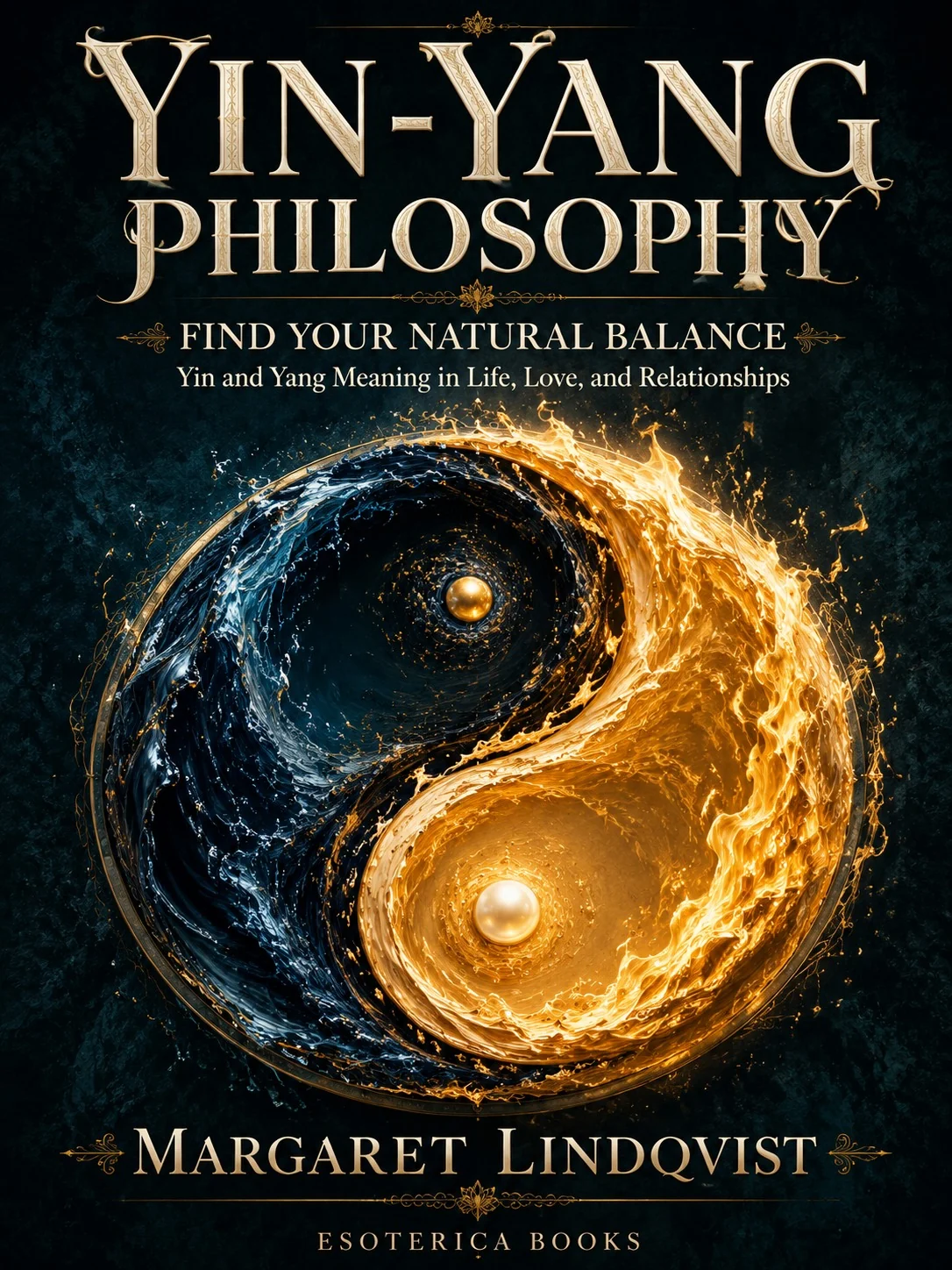


🏛 Books from this publisher Esoterica Books
All books from this publisher →



You might also like
See more →
Have a question about this item?
Ask about the edition, condition, delivery or anything else — we reply by email or phone, usually within a day.
