Aradia or the Gospel of the Witches - A Classic Study of Italian Witchcraft, Folklore, and Pagan Traditions
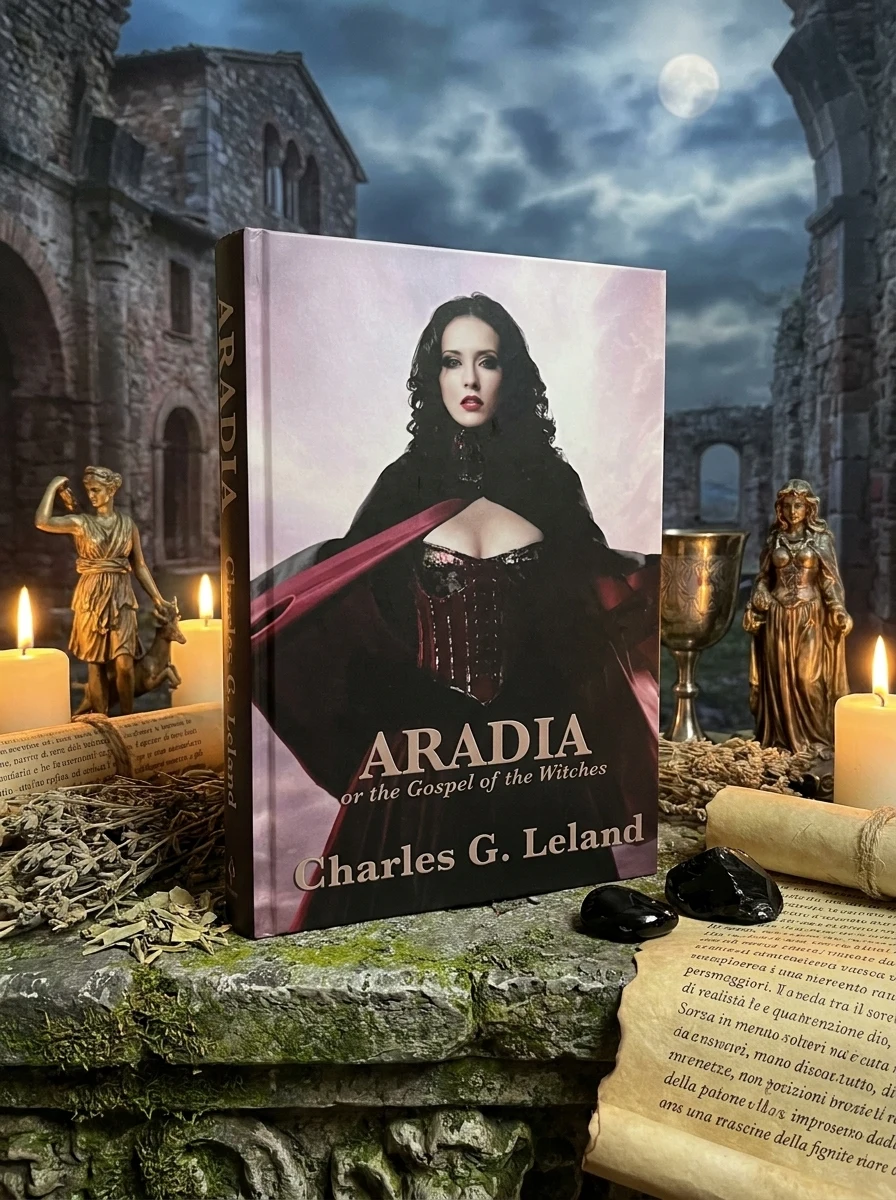
✍️ Leland, Charles GCharles G. Leland's 1899 work purports to reveal a hidden tradition of Italian witchcraft, passed down through generations. Penned from accounts allegedly provided by an informant named Maddalena, this volume offers a fascinating collection of rituals, myths, invocations, and beliefs centered on the goddess Diana and her daughter, Aradia. Whether you approach it as genuine folklore, a literary endeavor, or a disputed piece of ethnography, this text remains undeniably pivotal, continually sparking debate among scholars and practitioners alike over its authenticity and profound influence on modern pagan thought.


📝 Description: Aradia or the Gospel of the Witches - A Classic Study of Italian Witchcraft, Folklore, and Pagan Traditions
💎 Expert review
📖 Why choose it
Why this book is worth reading
Readers deeply invested in the roots of modern witchcraft and pagan spirituality will find this book indispensable for understanding the mythological framework that shaped contemporary rituals. It offers a unique window into Italian folk traditions, presenting the stories of Diana and Aradia as central figures in a pre-Christian lineage. Those seeking to trace the genealogy of their own practices or who are fascinated by the intersection of folklore and religious history will appreciate its role as a seminal document. It is essential for anyone wishing to grasp the cultural and spiritual forces that ignited a global revolution in how witchcraft is perceived and practiced today.
⭐ Reader reviews
Reader rating
This work is pivotal for scholars and practitioners alike, yet it demands a critical eye. Readers seeking straightforward historical fact or uncontested ethnography may find its disputed authenticity frustrating. It is not suited for those who prefer clear-cut academic rigor over mythic interpretation. However, for those open to its literary and spiritual dimensions, it remains a powerful exploration of goddess worship and folk magic. The text’s enduring influence on modern pagan thought outweighs its scholarly ambiguities, making it a necessary, if complex, read for understanding the evolution of occult traditions.
❓ Frequently asked questions
📖 Who should read this
If you're fascinated by the origins of modern Paganism, the history of witchcraft, or the intersections of folklore and occultism, this book is essential. Prepare to engage with a text that continues to provoke thought and inspire debate.
🎯 Key themes and symbolism
Italian Folk Witchcraft
Leland’s text presents a unique vision of Tuscan folk magic, detailing specific rites, charms, and spiritual practices attributed to a clandestine lineage of witches. It offers a glimpse into a supposed pre-Christian belief system, blending elements of Roman mythology with local magical traditions, distinct from other European witchcraft narratives.
Goddess-Centered Spirituality
Central to this work is the powerful divine feminine, personified by Diana as Queen of the Witches and her daughter Aradia, who descends to Earth to teach magic and rebellion. This emphasis on a matriarchal divine structure provided a foundational blueprint for many later goddess-worshipping traditions, particularly within modern Paganism.
Legacy and Enduring Debate
Beyond its content, the book itself is a subject of ongoing academic and spiritual discussion. Its claims have been rigorously scrutinized, yet its undeniable impact on 20th-century occultism, especially Wicca, ensures its place as a cornerstone text, perpetually challenging perceptions of history, folklore, and religion.
📜 Historical context
📚 Glossary
- Aradia
- Diana
- Tuscan Witchcraft
📔 Questions to reflect on
- How does the debate surrounding Aradia's authenticity influence your personal perception of its spiritual or historical value?
- Reflect on the archetypes of Diana and Aradia as presented in this text. How do they resonate with contemporary understandings of divine feminine power or rebellion?
- Consider how a text, regardless of its factual basis, can profoundly shape spiritual movements. What does this suggest about the nature of belief and tradition?