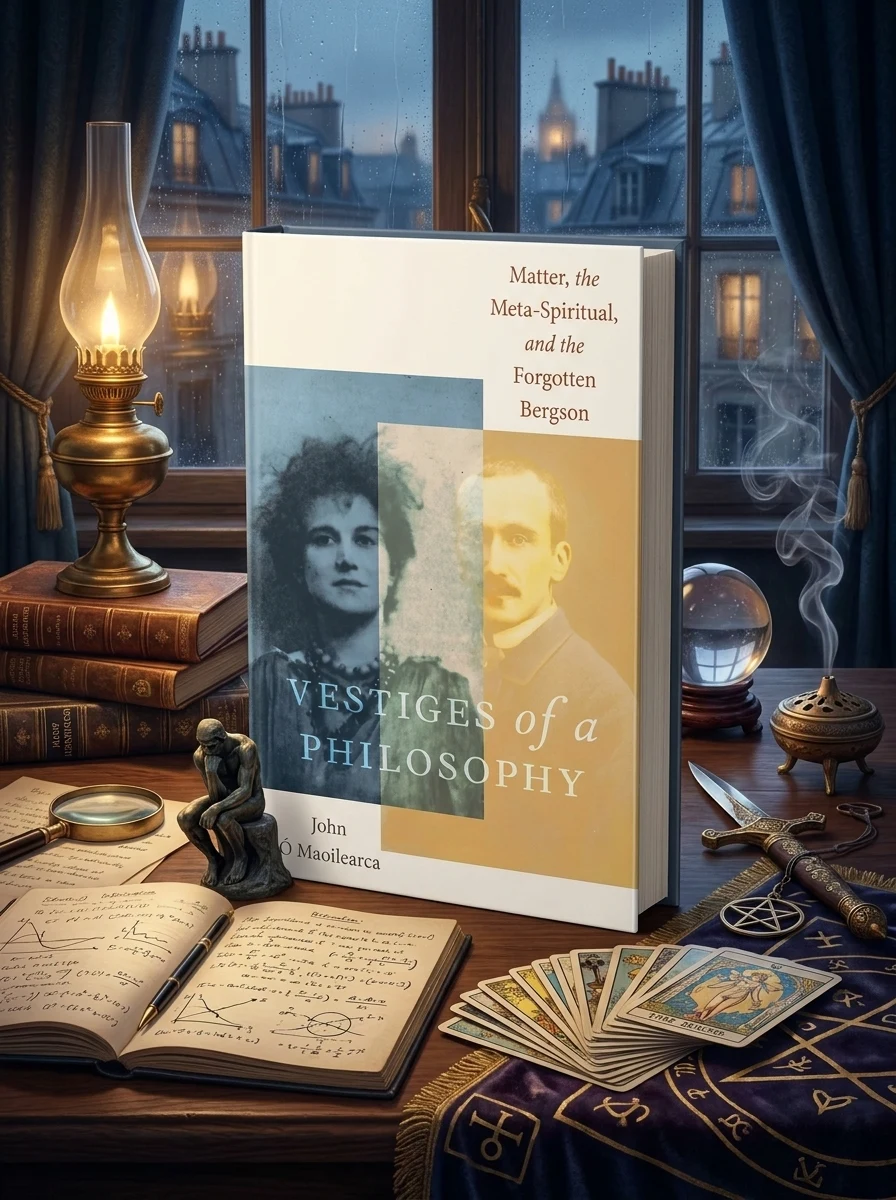
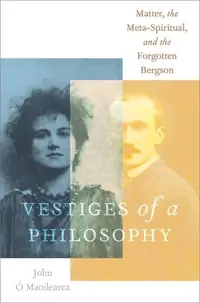
Vestiges of a Philosophy: Matter, the Meta-Spiritual, and the Forgotten Bergson Ó Maoilearca, John
 90
90
 Editorial score
How we rate
Editorial score
How we rate
Stock reported in the catalog; fulfillment is confirmed with your request.
Uncover the hidden philosophical dialogue between a titan of thought and a powerful occultist.
This compelling volume delves into a forgotten intellectual crossroads at the turn of the 20th century. It illuminates the parallel yet profoundly interconnected paths of Henri Bergson, the celebrated philosopher, and his estranged sister, Mina Bergson (Moina Mathers), a leading figure in the Hermetic Order of the Golden Dawn. Ó Maoilearca meticulously explores how their seemingly disparate pursuits—one academic, the other esoteric—converged on fundamental questions concerning matter, spirit, and consciousness, offering a fresh perspective on a pivotal era in intellectual history.
This work sits at the intersection of early 20th-century intellectual history and Western esotericism, bridging academic philosophy with the Hermetic Order of the Golden Dawn tradition.


📝 Description: Vestiges of a Philosophy: Matter, the Meta-Spiritual, and the Forgotten Bergson Ó Maoilearca, John
💎 Expert review
📖 Why choose it
Why this book is worth reading
Readers fascinated by the隐秘 connections between rigorous academic philosophy and high magic will find this volume indispensable. It offers a rare glimpse into how two siblings navigated the same metaphysical waters through vastly different lenses, revealing that the boundaries between 'spiritual' and 'material' are often illusory constructs of modern thought. If you have ever wondered how esoteric practitioners influenced or were influenced by contemporary philosophical giants, this book provides the missing link. It is particularly rewarding for those who appreciate deep, scholarly dives into the psyche of the occult elite during a pivotal era of intellectual transformation.
⭐ Reader reviews
Reader rating
Ó Maoilearca presents a meticulously researched account that illuminates the parallel paths of Bergson and Mina Mathers, offering fresh insights into their shared concerns regarding consciousness. However, this is not a casual introduction to esotericism; it demands patience and a willingness to engage with dense philosophical discourse alongside historical analysis. Readers seeking quick occult secrets or simple biographical anecdotes will likely find the academic rigor tedious and the narrative structure too abstract for their tastes. It is best suited for scholars and serious students of intellectual history who are ready to tackle complex arguments about matter and meta-spirituality without expecting a straightforward, accessible story.
❓ Frequently asked questions
📖 Who should read this
If you're fascinated by the hidden currents connecting academic philosophy with esoteric traditions, or curious about the intellectual landscape of turn-of-the-century Europe, this book offers a unique and thought-provoking journey into uncharted intellectual territory. It's for those who appreciate nuanced historical and philosophical inquiry.
🎯 Key themes and symbolism
Sibling Philosophies
The book masterfully draws connections between Henri Bergson's groundbreaking philosophical concepts, particularly his ideas on time and intuition, and Mina Bergson's mystical practices and esoteric understanding of reality. It posits that despite their lack of direct collaboration, their intellectual and spiritual quests were deeply complementary, each illuminating the other's insights into the nature of existence.
The Meta-Spiritual
This concept, central to the book, explores a unifying framework where the material and the spiritual are not separate but interwoven aspects of reality. It examines how both Bergson siblings, through their unique lenses, sought to transcend the traditional mind-body dualism, proposing a more integrated and dynamic understanding of consciousness and its interaction with the physical world.
Belle Époque Esotericism
The work richly contextualizes Mina Bergson's pivotal role within the Hermetic Order of the Golden Dawn and the broader occult revival of late 19th and early 20th century Paris. It highlights the intellectual ferment of the Belle Époque, showing how esoteric societies were vibrant centers of philosophical inquiry, challenging conventional thought alongside academic institutions.
💬 Quotes from the book
“The quiet rumination of the philosopher and the vibrant ritual of the mystic, though outwardly distinct, often seek to apprehend the same elusive truths concerning the 'stuff' of reality and the nature of consciousness.”
“To truly grasp Bergson's insights into duration and intuition, one must consider the contemporary intellectual currents, including those flowing through the hidden channels of occult thought, which his own sister so powerfully embodied.”
📜 Historical context
📚 Glossary
- Belle Époque
- Hermetic Order of the Golden Dawn
- Meta-Spiritual
📔 Questions to reflect on
- How might our understanding of 'truth' differ if we acknowledge both academic rigor and mystical experience as valid paths to knowledge?
- Consider a prominent intellectual or artist from history. Are there 'forgotten' family connections that might shed new light on their work or worldview?
- In what ways do contemporary scientific advancements, like quantum physics, echo or diverge from the 'meta-spiritual' questions explored by figures like Bergson and Mathers?
🏛 Books from this publisher Oxford University Press
All books from this publisher →
 81
81
You might also like
See more →