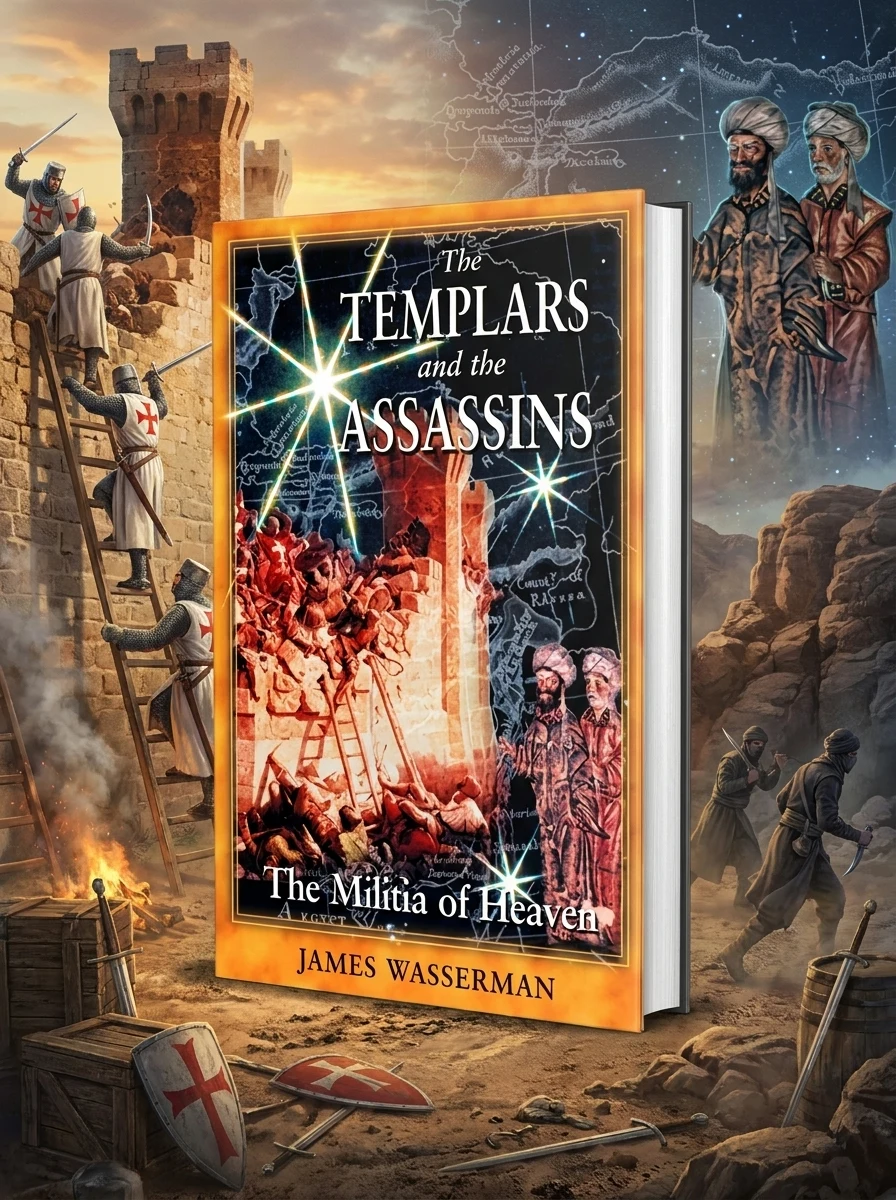
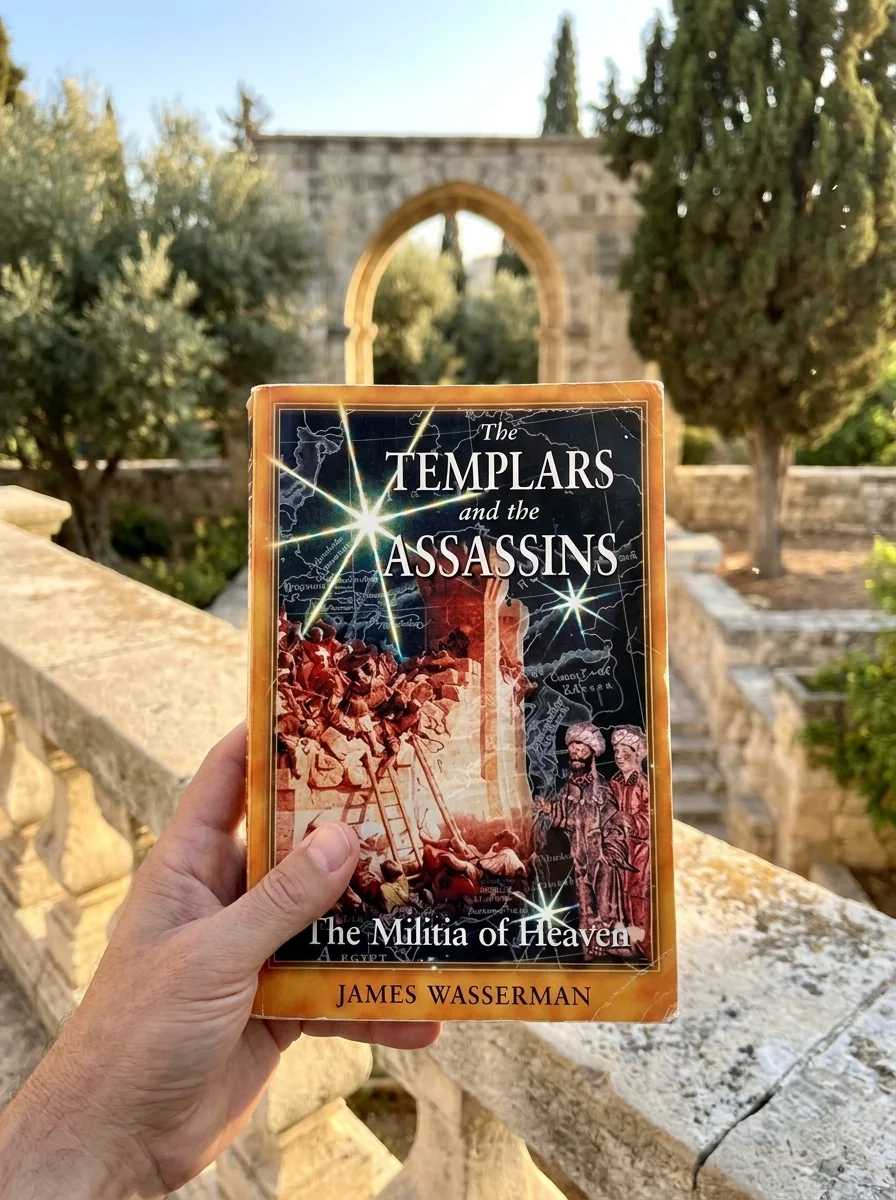
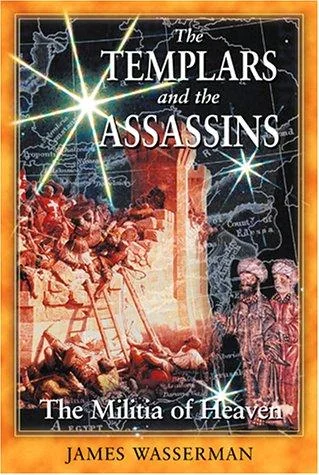
The Templars and the Assassins: The Militia of Heaven
✍️ Wasserman, JamesJames Wasserman meticulously re-examines the profound, often overlooked interactions between the Christian Knights Templar and their Muslim counterparts, the Assassins, during the tumultuous Crusades. This groundbreaking work argues that their encounters in the Holy Land fundamentally transformed the Templars from a military order into a sophisticated occult society, influencing the Western Mystery Tradition and sowing seeds for the Renaissance. Simultaneously, it rehabilitates the Assassins, challenging centuries of misconception and portraying them as a misunderstood spiritual brotherhood rather than mere terrorists. It's a compelling narrative of esoteric cross-pollination and historical revision.


Praise for this book
“A refreshing in-depth look at a critical point in the development of Western esotericism. Eschewing the speculations and wild imaginings with which much occult literature is rife, Wasserman weaves a fascinating tale based on factual data from the best scholarly sources. He is uniquely qualified to handle the subtleties and intricacies of the belief systems and dynamics of these two seminal secret societies.”
📝 Description: The Templars and the Assassins: The Militia of Heaven
📑 What's inside
- Preface 1. An Introduction to Secret Societies
- Part One: Setting the Stage
- 2. Historical Background of the Crusades
- Part Two: The Order of Assassins
- 3. The Assassin Myth
- 4. Islamic Roots
- 5. Teachings of Ismailism
- 6. Enter Hasan
- 7. An Overview of Hasan's Assassins
- 8. After Hasan
- 9. The Syrian Assassins
- 10. The Nizari Ismailis Today
- 11. Reflections on the Assassin Order
- Part Three: The Knights Templar
- 12. The First Crusade
- 13. An Overview of the Order
- 14. The Early Years
- 15. The Second Crusade
- 16. Saladin and the Battle of Hattin
- 17. The Third Crusade
- 18. The Fourth Crusade
- 19. The Cathars and the Albigensian Crusade
- 20. The Fifth Crusade
- 21. The Sixth Crusade and the Battle of La Forbie
- 22. The Seventh Crusade and the Rise of Baybars
- 23. The Eighth Crusade and Final Defeat
- 24. The Last Years of the Knights Templar
- 25. The End of the Order
- 26. Reflections on the Templar Order
- Part Four: Afterword
- The Path of the Mysteries
- Appendix One Appendix Two Endnotes Selected Bibliography Index Maps
💎 Expert review
📖 Why choose it
Why this book is worth reading
Readers fascinated by the hidden undercurrents of history and the secret bonds between opposing religious orders will find this book deeply rewarding. Wasserman offers a compelling narrative that rehabilitates the Assassins while revealing how their encounters transformed the Templars into an esoteric society. It is ideal for those interested in the origins of the Renaissance, the Western Mystery Tradition, and cross-cultural spiritual exchange. By dismantling centuries of misconception, the text provides a fresh perspective on how these two groups influenced each other. If you enjoy historical revisionism that focuses on mystical connections rather than just military conflict, this book will expand your understanding of how secret societies shaped Western civilization through profound esoteric cross-pollination.
⭐ Reader reviews
Reader rating
Wasserman presents a bold thesis regarding the spiritual symbiosis between Templars and Assassins, offering a refreshing alternative to standard military histories. However, readers seeking rigorous academic historiography or purely secular political analysis may find the esoteric framing too speculative or metaphysical for their taste. The book is not suited for those who prefer established, consensus-driven historical accounts over revisionist interpretations rooted in occult traditions. While the narrative is engaging and the rehabilitation of the Assassins intriguing, the focus on mystical transformation over documented fact means it will likely disappoint purists expecting dry, evidence-based chronicles of Crusade warfare.
❓ Frequently asked questions
📖 Who should read this
If you are fascinated by secret societies, the hidden currents of history, or the esoteric roots of Western civilization, this book is for you. Wasserman invites you to question established narratives and explore the profound spiritual and intellectual exchanges that occurred during the Crusades.
🎯 Key themes and symbolism
Templar Esoteric Evolution
Wasserman traces the transformation of the Knights Templar from a papal army into a repository of esoteric wisdom. The book posits that their exposure to the Assassins' spiritual doctrines in the Holy Land led to a profound internal shift, imbuing the order with occult knowledge that would quietly shape the intellectual and spiritual currents underlying the Western Mystery Tradition.
Assassins Redeemed
This work courageously challenges the long-standing, negative portrayal of the Hashashin, or Assassins. Far from being a band of indiscriminate killers, Wasserman presents a nuanced view of this secret Muslim order as a highly disciplined and spiritually motivated group, suggesting their historical vilification was largely a product of political and religious bias.
Crusades' Hidden Legacy
Beyond the conventional understanding of the Crusades as a clash of civilizations, the book reveals a hidden legacy of cross-cultural exchange. It argues that the intense interactions between these two legendary secret societies created an unexpected conduit for the transmission of ideas, ultimately influencing the intellectual awakening of the Renaissance and the development of Western esoteric thought.
📜 Historical context
📚 Glossary
- Knights Templar
- Assassins
- Western Mystery Tradition
📔 Questions to reflect on
- How might our understanding of historical conflicts change if we consistently looked for shared wisdom and unintended cultural exchanges, rather than just opposition?
- Consider a historical figure or group commonly demonized. What alternative narratives or hidden motivations might explain their actions, beyond what popular history tells us?
- If secret societies truly shaped foundational periods like the Renaissance, what implications does this have for our perception of open knowledge versus guarded traditions?