The Mystery Traditions: Secret Symbols and Sacred Art
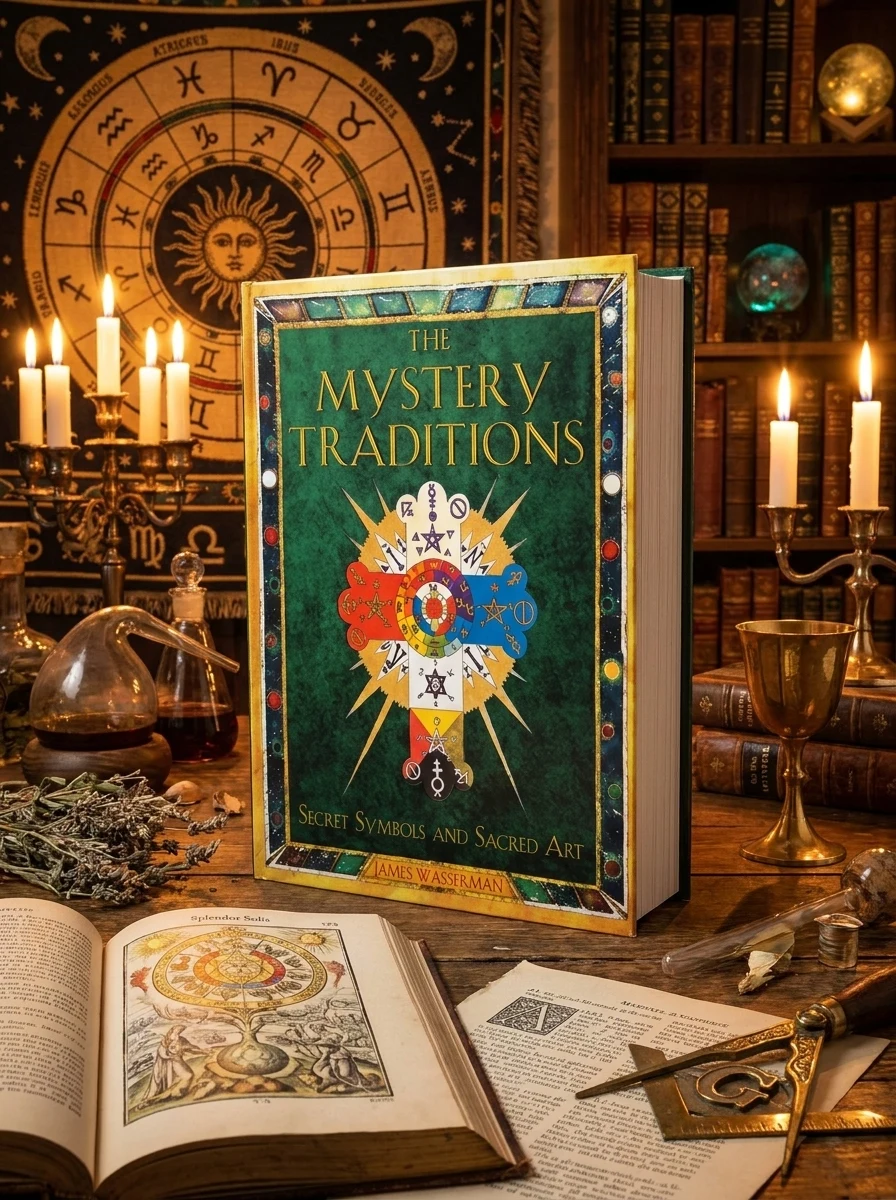
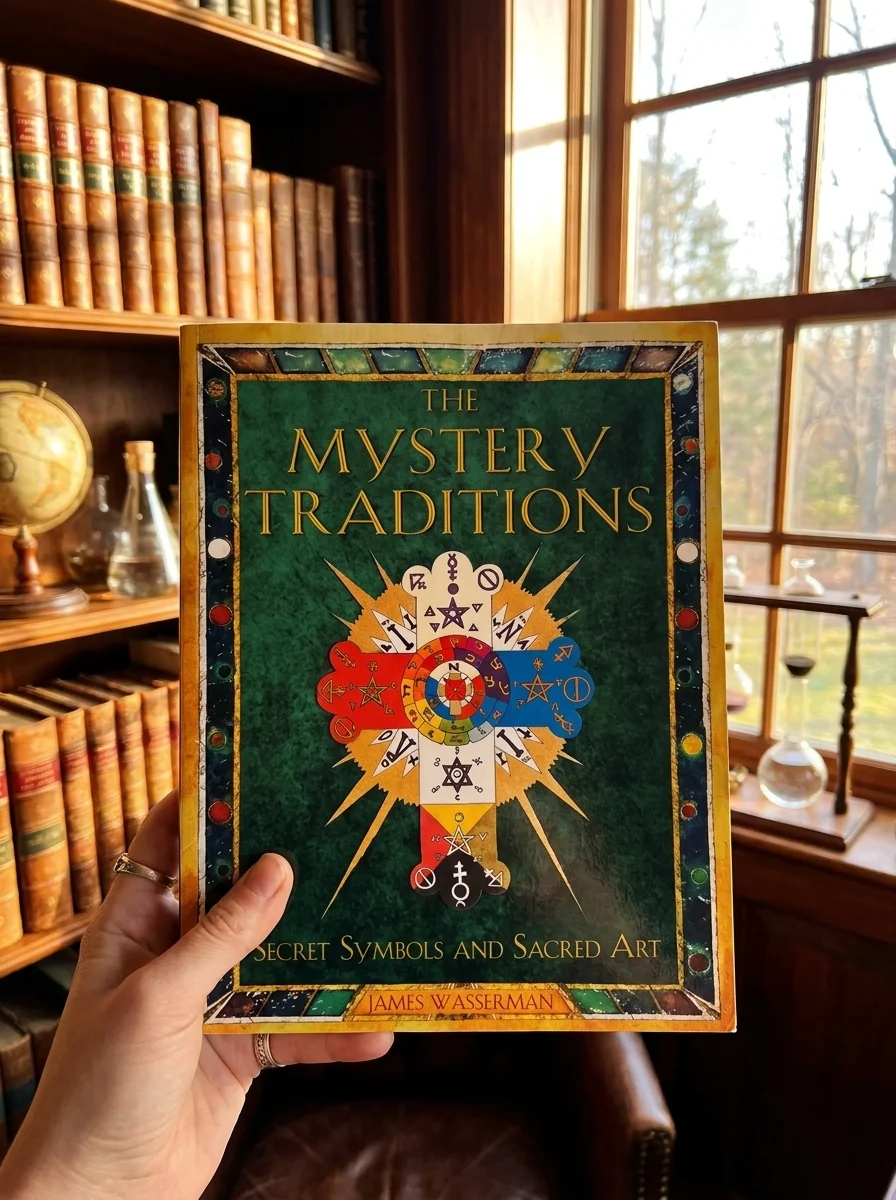
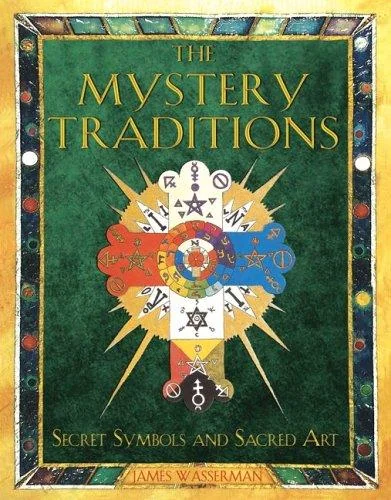
✍️ Wasserman, JamesJames Wasserman’s "The Mystery Traditions" unveils a richly illustrated lexicon, guiding readers through the profound visual language of Western esotericism. This volume meticulously deciphers symbols from Kabbalah, Tarot, alchemy, magic, and astrology, revealing their deeper significance within ancient wisdom teachings. Wasserman illuminates the "theory of correspondences," the foundational principle that connects all elements of existence, from celestial influences to alchemical transformations. Discover how these sacred images serve not as mere allegories, but as the very alphabet of cosmic understanding, unlocking profound insights.


Praise for this book
“This is one of the most visually stunning works I have seen in a very long time. I would have expected a much higher price for the quality, or a much lower quality based on the price. The combination of excellent quality and reasonable price was a very pleasant surprise. If you are interested in symbolic representations of mystical themes, this book belongs in your library. It is a book to be savored and enjoyed on an on-going basis.”
📝 Description: The Mystery Traditions: Secret Symbols and Sacred Art
💎 Expert review
📖 Why choose it
Why this book is worth reading
You should read this if you are hungry for a visual guide to the hidden language of the cosmos. It is perfect for seekers who want to move beyond surface-level astrology or Tarot reading into the deeper theory of correspondences. If you find joy in decoding sacred art and understanding how celestial influences map onto human existence, this book is your key. It transforms complex esoteric concepts into accessible imagery, making it ideal for both students of mysticism and artists seeking symbolic depth. You will gain a clearer understanding of how alchemy and magic operate as interconnected systems rather than isolated practices.
⭐ Reader reviews
Reader rating
Wasserman delivers a stunning visual journey that effectively deciphers the alphabet of cosmic understanding. The rich illustrations make dense esoteric theory tangible for the average reader. However, it does not suit those seeking rigorous academic critique or dry textual analysis; this is an intuitive, symbolic exploration rather than a scholarly dissection. Readers expecting step-by-step magical rituals may find it too theoretical. It is best appreciated by those who value aesthetic beauty alongside spiritual insight, serving as a companion to practice rather than a manual for it. The focus remains firmly on visual decoding and philosophical connection.
❓ Frequently asked questions
📖 Who should read this
If you're drawn to the hidden meanings behind sacred art, or seek a deeper understanding of occult traditions like alchemy, Kabbalah, and Tarot, this book is an essential guide. It's for anyone eager to unlock the visual alphabet of the cosmos.
🎯 Key themes and symbolism
Decoding Esoteric Symbolism
This work posits that esoteric symbols are far more than simple allegories; they form a complex visual language. It reveals how these sacred images are the fundamental building blocks of the "theory of correspondences," offering a direct pathway to understanding the interconnectedness of all things within the mystery traditions.
The Interconnected Cosmos
At the heart of esoteric thought lies the "theory of correspondences," which illuminates the profound, interdependent relationships across the universe. Wasserman demonstrates how this ancient principle explains phenomena like planetary influences on human experience and the alchemist's personal transformation through material work.
Secret Societies' Role
The book delves into the often-overlooked yet critical function of secret societies throughout history. It explores their pivotal role in diligently safeguarding, preserving, and transmitting invaluable esoteric knowledge across generations, ensuring the continuity of these profound mystery traditions.
📜 Historical context
📚 Glossary
- Theory of Correspondences
- Esoteric Symbol
- Mystery Traditions
📔 Questions to reflect on
- How does understanding a symbol as an 'alphabet' rather than an 'allegory' change your perception of its power or meaning?
- Reflect on a personal experience where you felt an 'interdependent relationship of all things' or a significant 'correspondence.' How did it manifest?
- Consider the concept of 'secret societies safeguarding knowledge.' What are the implications, positive or negative, of such a practice for human understanding?