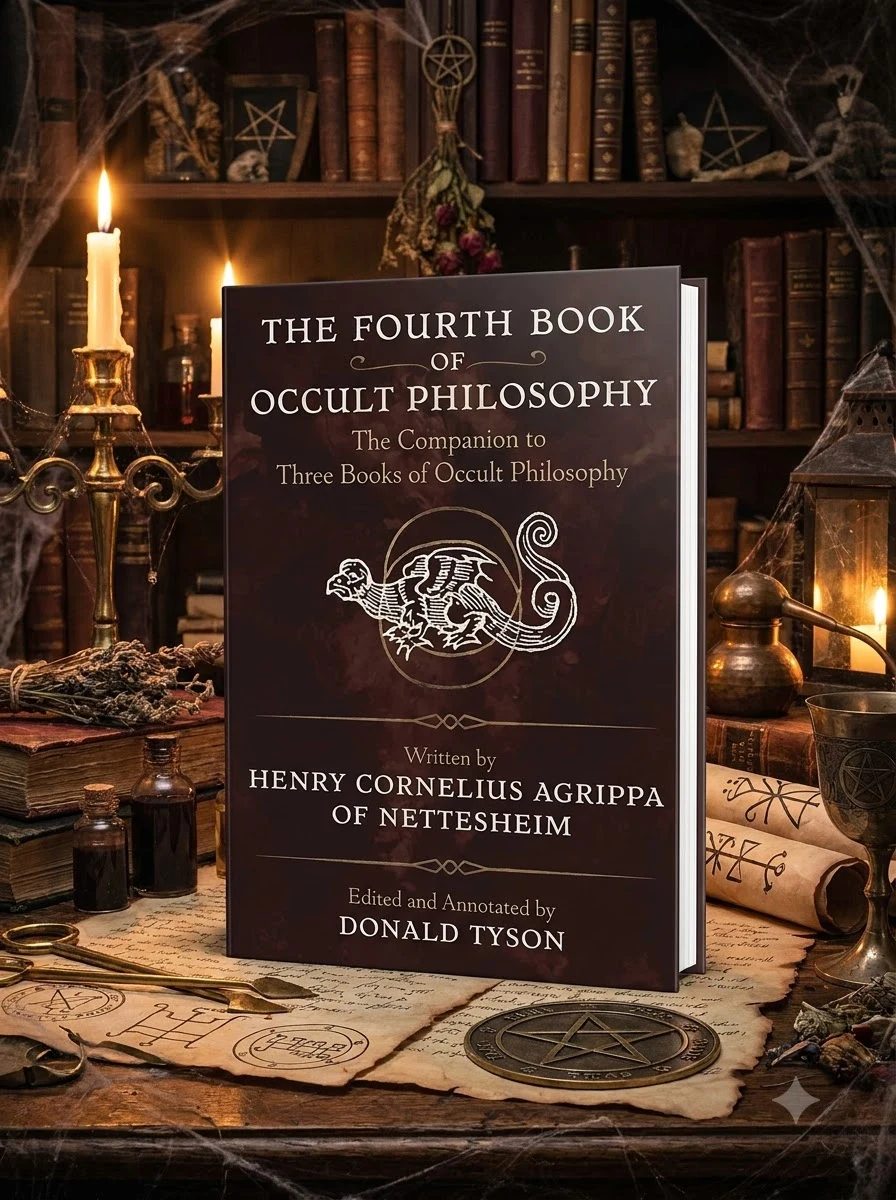
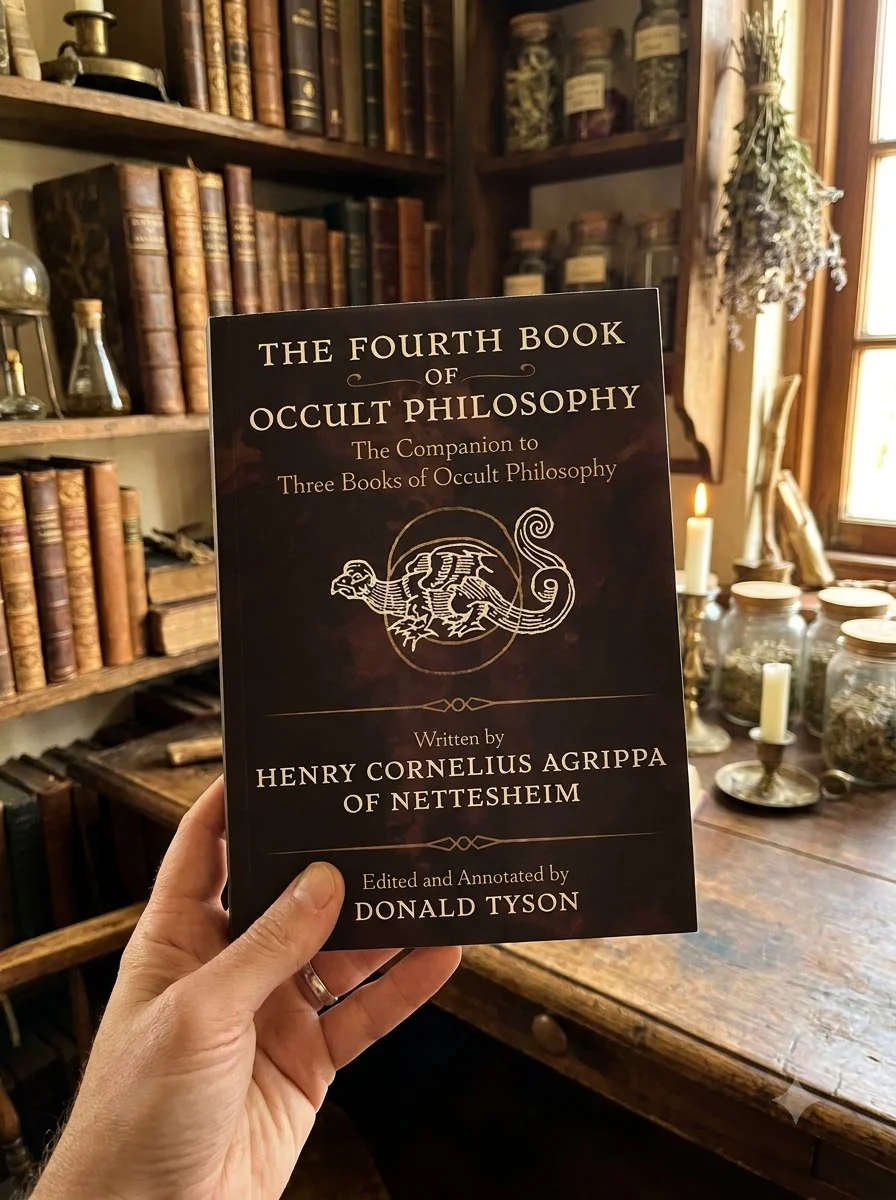
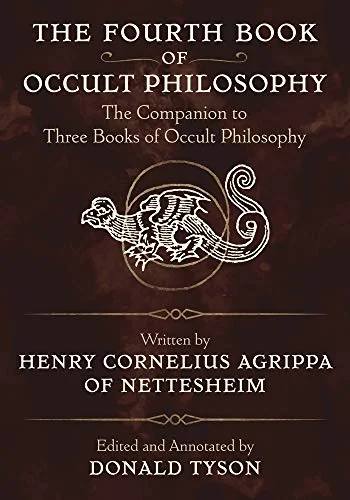
The Fourth Book of Occult Philosophy: The Companion to Three Books of Occult Philosophy
✍️ Tyson, DonaldThis seminal work, often attributed to Henry Cornelius Agrippa and other anonymous practitioners, stands as a pivotal text in Western magical thought. Serving as a crucial expansion to Agrippa's foundational *Three Books of Occult Philosophy*, it delves into the practical application of esoteric principles. Within its pages, you'll discover a collection of vital grimoires, presenting detailed instructions and rituals that are considered cornerstones of Western ceremonial magic. It offers an indispensable resource for those seeking to move beyond theory into the active engagement with mystical forces.


📝 Description: The Fourth Book of Occult Philosophy: The Companion to Three Books of Occult Philosophy
💎 Expert review
📖 Why choose it
Why this book is worth reading
If you have mastered the theoretical frameworks of Western occultism and are ready to engage with mystical forces actively, this companion volume is essential. It transforms abstract concepts into concrete ritual practice through its collection of vital grimoires. Readers seeking to move beyond mere theory will find detailed instructions and cornerstones of ceremonial magic here. It offers an indispensable resource for those dedicated to the active engagement with esoteric principles, providing the practical tools necessary for deepening their magical work within the Western tradition.
⭐ Reader reviews
Reader rating
This text is a pivotal expansion for those already versed in Agrippa’s foundational three books, offering detailed ritual instructions and vital grimoires. It is not suitable for casual readers or those seeking accessible introductions to magic; the density of traditional ceremonial practices requires significant prior knowledge. While it stands as a cornerstone for serious practitioners willing to delve into complex esoteric principles, it may overwhelm beginners. The book excels in providing actionable guidance for established occultists but lacks the explanatory hand-holding needed for novices. It is a specialized tool for dedicated study rather than general interest.
❓ Frequently asked questions
📖 Who should read this
Are you a serious student of esoteric traditions, seeking to delve deeper into the practical application of Western magic? This volume offers essential insights for both scholars and practitioners alike, expanding upon foundational texts and providing direct access to historical magical operations.
🎯 Key themes and symbolism
Foundational Western Magic
This volume is recognized as an essential pillar of Western magical practice. It provides direct insight into the methods and philosophies that have shaped centuries of occult tradition, offering a glimpse into the operational aspects of a rich esoteric heritage that continues to influence modern practitioners.
Practical Grimoires
At its heart, the book compiles influential grimoires, acting as practical handbooks for magical work. These texts are not mere theoretical discussions but contain specific instructions, invocations, and rituals, making it an invaluable resource for understanding the applied techniques of historical Western magic.
Mystical Companion Text
Designed to complement Agrippa's renowned *Three Books of Occult Philosophy*, this work bridges the gap between theoretical understanding and practical execution. It elaborates upon the principles laid out in Agrippa's earlier volumes, offering the operational keys necessary for engaging with the deeper aspects of his philosophical system.
📜 Historical context
📚 Glossary
- Occult Philosophy
- Grimoire
- Western Esotericism
📔 Questions to reflect on
- Reflect on the ethical implications of wielding esoteric knowledge. Where do you draw the line between seeking wisdom and manipulating forces?
- How might the practice of aligning one's 'inner cosmos' (as suggested in esoteric texts) influence your daily life or spiritual path?
- Consider a specific magical operation described within a grimoire. What preparation, beyond the ritual itself, would be necessary for its successful execution?