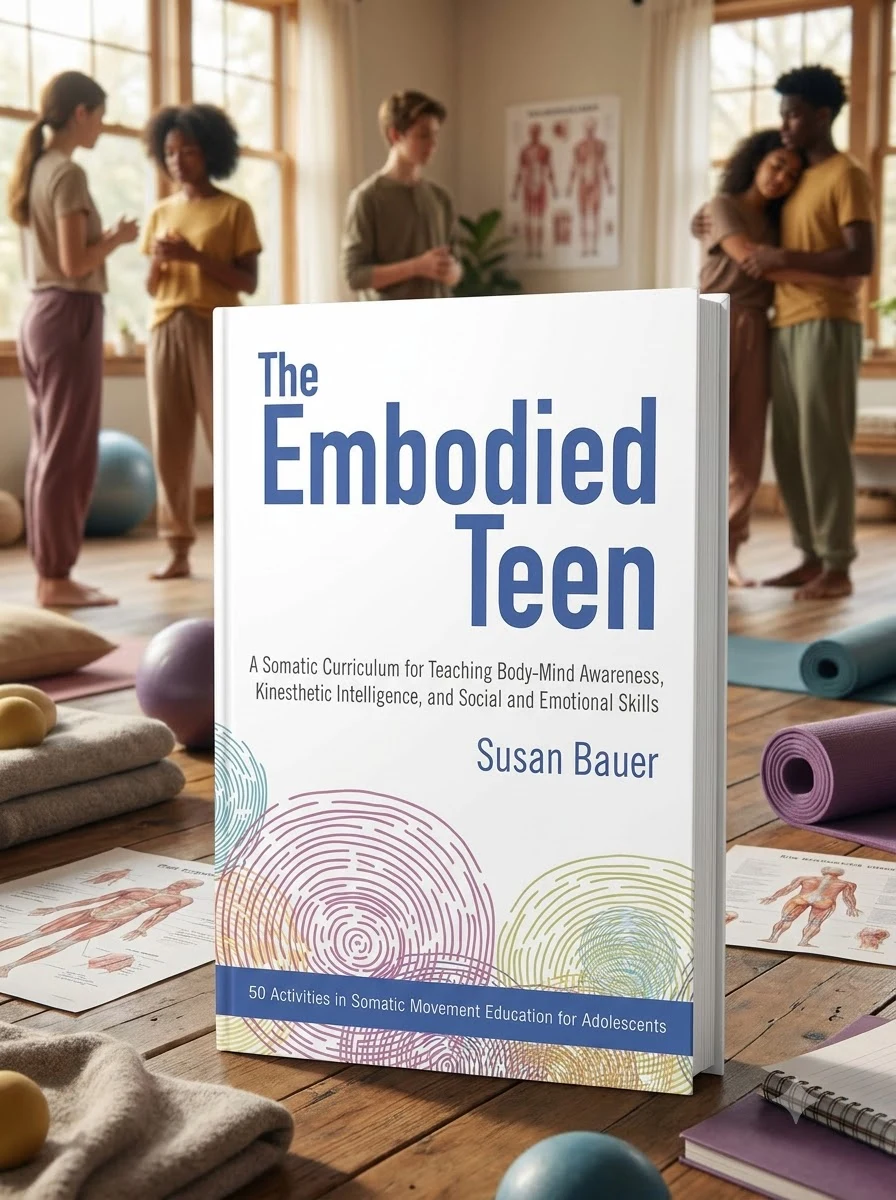
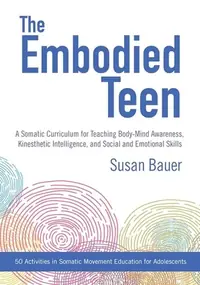
The Embodied Teen: A Somatic Curriculum for Teaching Body-Mind Awareness, Kinesthetic Intelligence, and Social and Emotional Skills--50 Activities in Soma


This edition can be ordered. No arrival date is confirmed.
Unlock the somatic secrets of adolescence through fifty transformative movement practices.
Susan Bauer’s pioneering work bridges the gap between physical education and emotional intelligence, offering educators a vital toolkit for adolescent development. This curriculum treats the student’s body as a living laboratory, guiding teens to integrate mind and matter through conscious movement. By exploring anatomy and physiology alongside cultural perceptions, learners dismantle self-defeating habits and body image prejudices. The result is a profound enhancement of kinesthetic intelligence and inner resilience, equipping young adults with the self-care skills necessary for lifelong well-being and compassionate social interaction.
This text emerges from the contemporary intersection of somatic psychology and educational theory, reflecting a modern shift toward holistic health practices within adolescent development. It aligns with the growing esoteric interest in body-mind integration as a pathway to spiritual and emotional well-being.


📝 Description: The Embodied Teen: A Somatic Curriculum for Teaching Body-Mind Awareness, Kinesthetic Intelligence, and Social and Emotional Skills--50 Activities in Soma
💎 Expert review
📖 Why choose it
Why this book is worth reading
This curriculum is essential for educators, therapists, and parents seeking to guide adolescents through the turbulent waters of puberty with grace and awareness. It offers a vital toolkit for those who recognize that emotional intelligence cannot be taught in isolation from physical experience. By treating the body as a living laboratory, it empowers young adults to dismantle self-defeating habits and prejudices. Readers will find profound value in the fifty transformative movement practices designed to enhance kinesthetic intelligence. This book is ideal for anyone committed to fostering inner resilience and compassionate social interaction, providing the necessary self-care skills for lifelong well-being through conscious mind-matter integration.
⭐ Reader reviews
Reader rating
A friend in my study group recommended this one. It rewards patience more than any book I've bought this year. The language takes some getting used to, but it becomes part of the charm. It assumes more background than a beginner might have. Recommended with reservations.
Took a chance on this and glad I did. It rewards patience more than any book I've bought this year. A keeper.
A friend in my study group recommended this one. The typesetting is comfortable for study, with good margins for notes. Solid binding, decent paper — holds up to heavy use. A keeper.
I've read excerpts online before, but having the full text is different. The text itself is dense but rewarding — you get out what you put in. It connects ideas I'd only seen treated separately elsewhere. If you're drawn to this subject, don't hesitate.
Long-time student of the esoteric here. The typesetting is comfortable for study, with good margins for notes.
Grabbed this during a weekend order. Solid binding, decent paper — holds up to heavy use. It assumes more background than a beginner might have. Good, with the caveats above.
Long-time student of the esoteric here. It reads better in small doses — a chapter at a time with notes. Will be gifting a copy to a friend.
Bauer’s pioneering work successfully bridges physical education and emotional intelligence, offering a structured approach to adolescent development. The curriculum effectively guides teens to integrate mind and matter, enhancing both kinesthetic intelligence and inner resilience. However, it may not suit those seeking purely theoretical psychological analysis or traditional academic texts devoid of practical somatic exercises. Readers looking for quick fixes without engaging in the required physical movement will find little value here. It is best appreciated by practitioners willing to actively participate in the embodied learning process rather than remain passive observers.
❓ Frequently asked questions
📖 Who should read this
Ideal for physical education teachers, school counselors, and somatic therapists seeking practical, student-centered methods to support adolescent mental health and physical literacy in non-formal educational settings.
🎯 Key themes and symbolism
Somatic Mind-Body Integration
The text posits that true learning requires physical presence. It guides students to use their bodies as primary tools for self-discovery, moving beyond intellectual abstraction to feel their way toward emotional regulation and cognitive clarity in daily life.
Deconstructing Body Prejudices
Bauer challenges teens to examine their cultural conditioning regarding physical appearance. By identifying internal biases, students cultivate compassion for themselves and others, transforming shame into awareness and fostering a more inclusive, respectful community within the classroom.
Kinesthetic Intelligence Development
This section focuses on refining physical awareness to improve sports, dance, and leisure activities. It teaches injury prevention and anatomical understanding, empowering teens to move with greater efficiency, grace, and confidence, turning the body into a site of strength.
💬 Quotes from the book
“Use the student's own body as the lab through which to learn self-care and injury prevention.”
“Discover their body prejudices, helping them to both respect diversity and gain compassion for themselves.”
📜 Historical context
📚 Glossary
- Somatic Movement Education
- Kinesthetic Intelligence
- Body Image Prejudice
📔 Questions to reflect on
- Where do you hold tension in your body when you feel stressed, and what might that sensation be trying to tell you?
- Recall a moment when your physical posture influenced your mood. How could you use this awareness to shift a negative emotional state?
- What cultural messages about physical ability have you internalized, and how do they affect your confidence in group settings?
🏛 Books from this publisher North Atlantic Books
All books from this publisher →






You might also like
See more →